What Makes a Miniature Circuit Breaker Essential for Modern Electrical Safety?
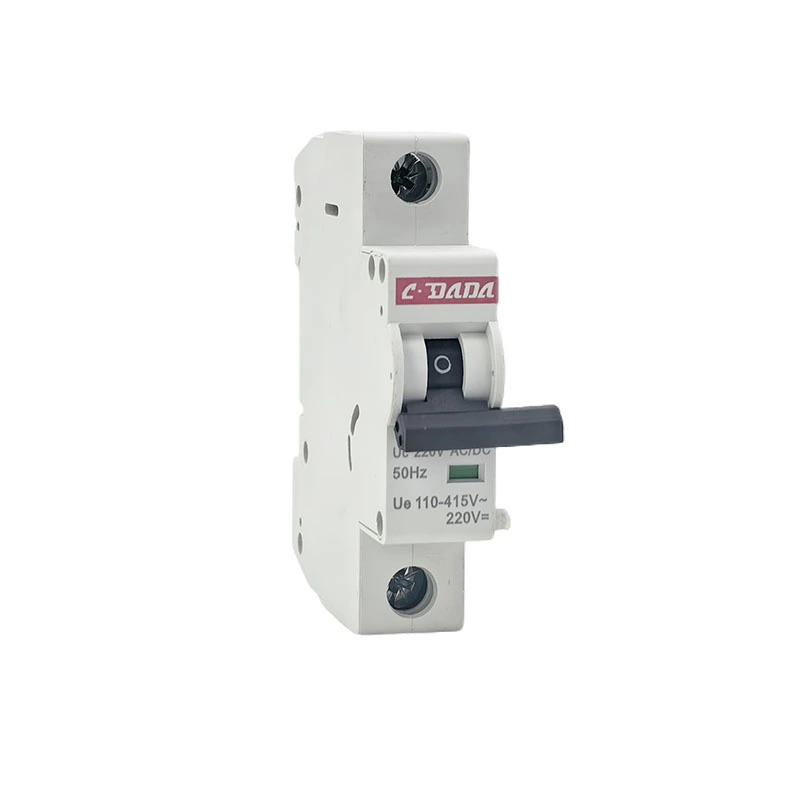
Miniature Circuit Breakers (MCBs) are one of the most critical components in modern electrical distribution systems. They are designed to automatically disconnect electrical circuits in the event of overloads or short circuits, preventing equipment damage, fire hazards, and electrical accidents. This article provides a comprehensive explanation of how MCBs work, why they are essential, how to select the right type, and how they are used across residential, commercial, and industrial applications. It also addresses common user concerns, installation practices, troubleshooting tips, and safety guidelines to help readers make informed decisions.
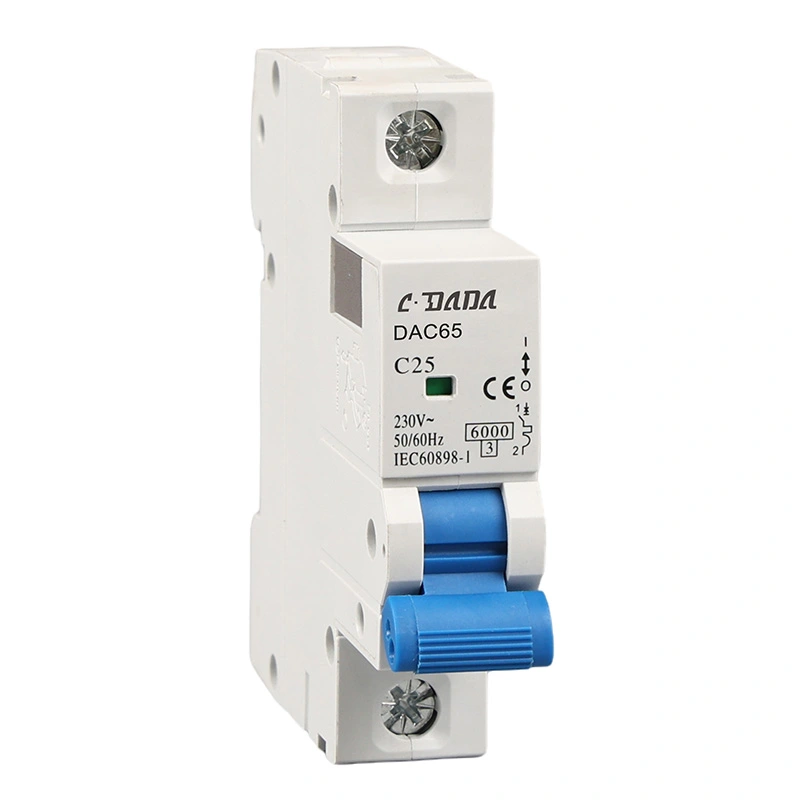
Table of Contents
- Introduction to Miniature Circuit Breakers
- How a Miniature Circuit Breaker Works
- Types of Miniature Circuit Breakers
- Applications in Different Industries
- How to Choose the Right MCB
- Installation and Wiring Guidelines
- Maintenance and Troubleshooting
- MCB vs Fuse: Key Differences
- Key Benefits of Using MCBs
- Safety Considerations
- Frequently Asked Questions
- Conclusion & Industry Outlook
Introduction to Miniature Circuit Breakers
A Miniature Circuit Breaker (MCB) is an automatically operated electrical switch designed to protect electrical circuits from damage caused by excess current. Unlike traditional fuses, which need replacement after a fault, MCBs can be reset after tripping, making them more efficient and cost-effective.
In modern electrical systems, safety is not optional—it is mandatory. Whether in homes, offices, factories, or infrastructure projects, electrical faults can lead to severe consequences such as fire outbreaks, equipment damage, or even human injury. MCBs act as the first line of defense in preventing such risks.
They are widely used in low-voltage electrical networks and are designed with precise engineering to ensure fast response during abnormal conditions.
How a Miniature Circuit Breaker Works
The working principle of an MCB is based on two key mechanisms: thermal protection and magnetic protection.
- Thermal mechanism: Protects against overload conditions using a bimetallic strip that bends when heated.
- Magnetic mechanism: Provides instant protection during short circuits using an electromagnetic coil.
When current exceeds the rated value for a prolonged period, the thermal element heats up and bends, triggering the trip mechanism. In case of a sudden surge, the magnetic coil instantly activates and opens the circuit within milliseconds.
This dual-protection system ensures both slow and fast fault conditions are effectively handled.
Types of Miniature Circuit Breakers
MCBs are classified based on their tripping characteristics and number of poles.
| Type | Usage | Tripping Range |
|---|---|---|
| Type B | Residential lighting and socket protection | 3-5 times rated current |
| Type C | Commercial and inductive loads | 5-10 times rated current |
| Type D | Industrial machinery with high inrush current | 10-20 times rated current |
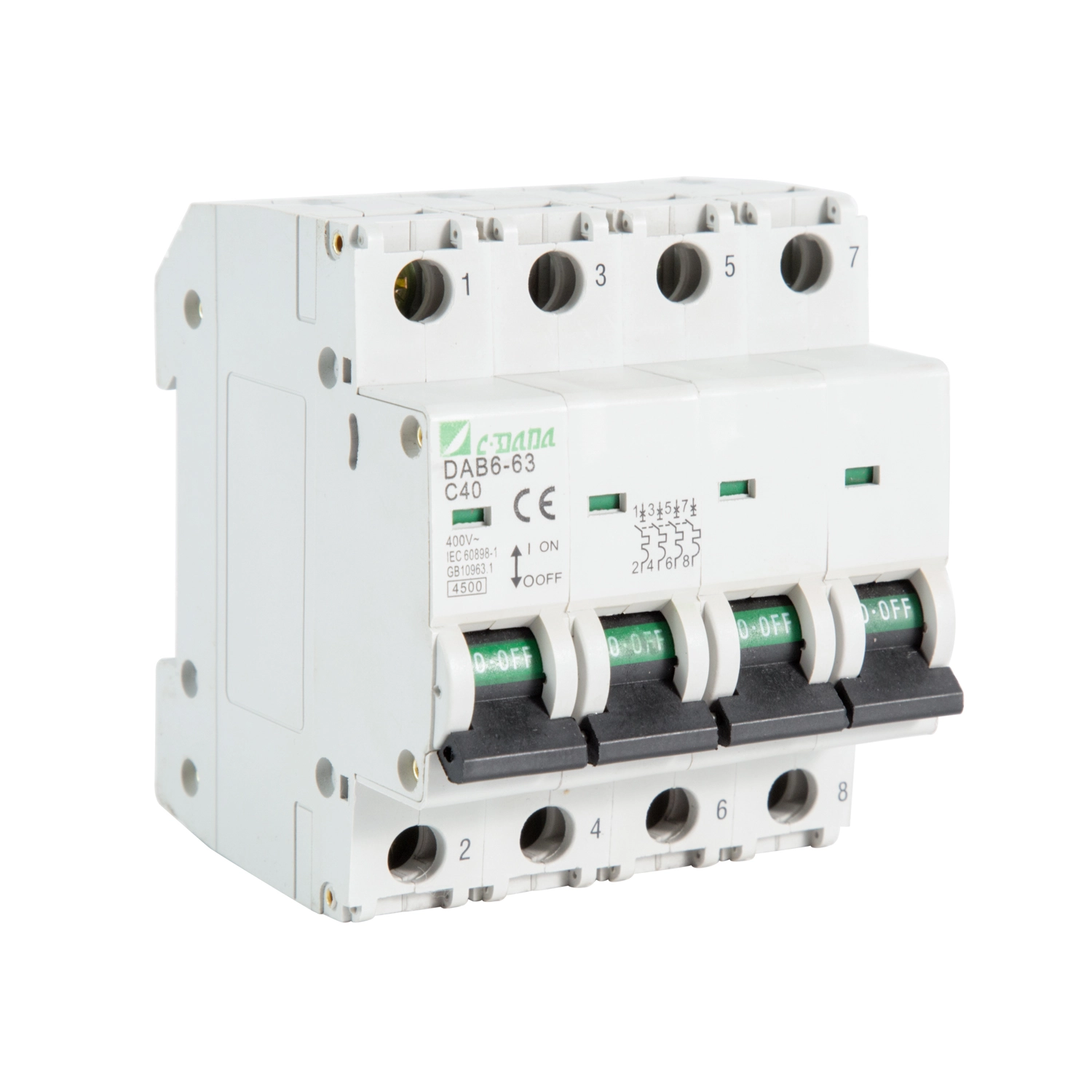
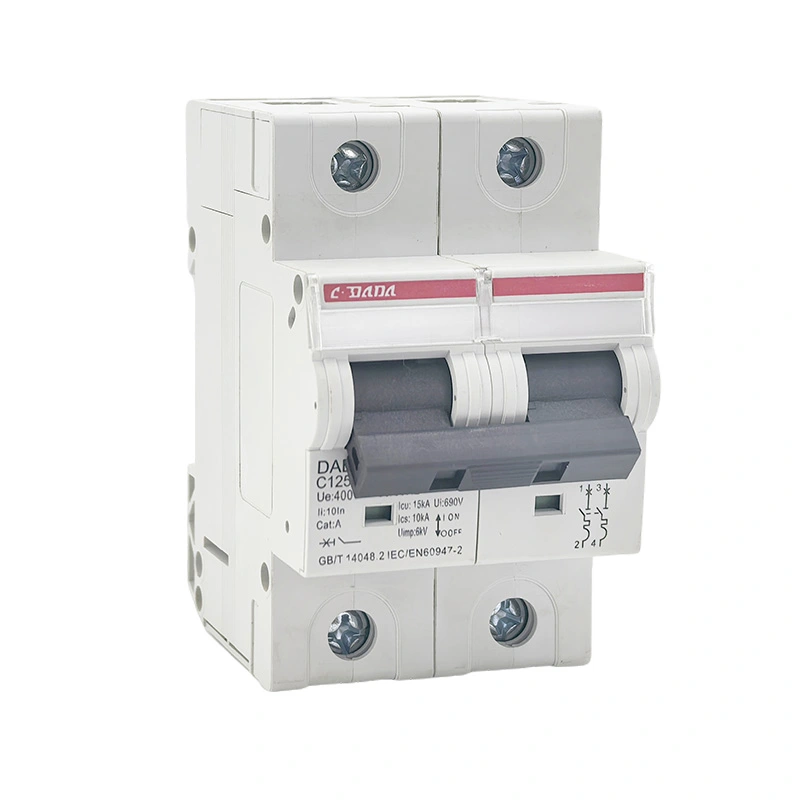
Additionally, MCBs are available in single-pole, double-pole, triple-pole, and four-pole configurations depending on system requirements.
Applications in Different Industries
Miniature Circuit Breakers are widely used across multiple sectors:
- Residential buildings: Protect household wiring and appliances
- Commercial complexes: Ensure stable power distribution in offices and malls
- Industrial plants: Safeguard heavy machinery and production lines
- Infrastructure projects: Used in transportation systems and public utilities
- Renewable energy systems: Solar power installations and wind energy systems
How to Choose the Right MCB
Selecting the correct MCB is essential for system efficiency and safety. Key factors include:
- Rated current capacity
- Breaking capacity
- Type of load (resistive or inductive)
- Number of poles required
- Environmental conditions
Improper selection can lead to nuisance tripping or insufficient protection, both of which can compromise system performance.
Installation and Wiring Guidelines
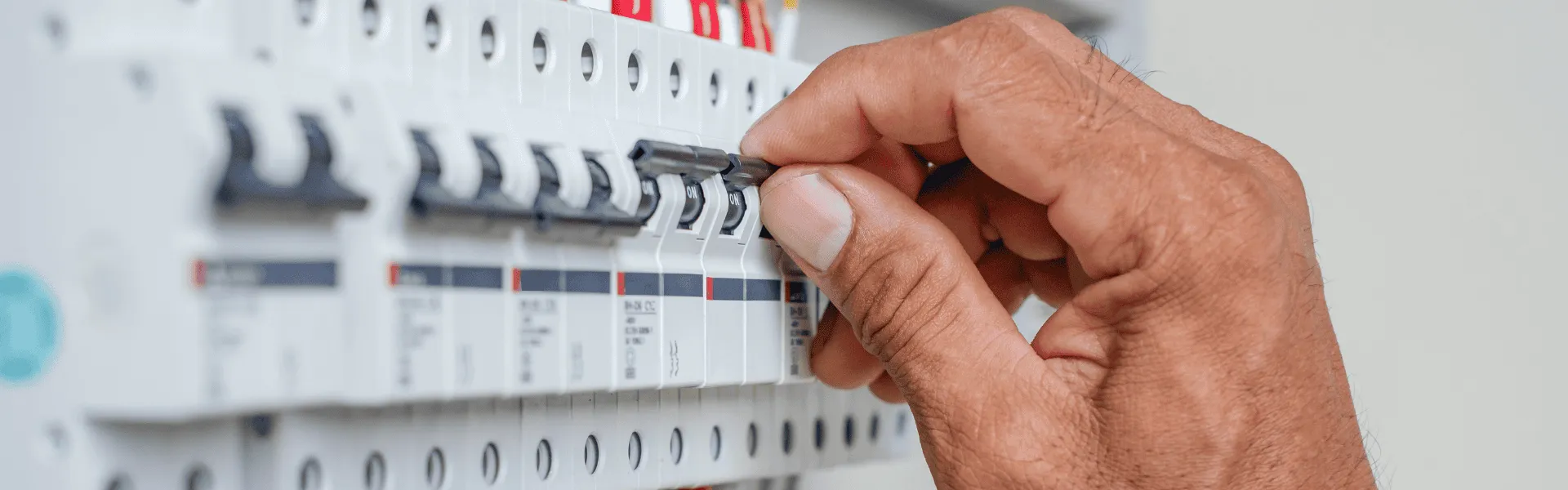
Proper installation ensures long-term reliability and safety. MCBs should always be installed by qualified electricians following standard electrical codes.
- Ensure power is completely turned off before installation
- Use appropriate wire sizes based on load
- Mount MCBs on DIN rails securely
- Check terminal tightness to avoid overheating
Incorrect installation can significantly reduce the lifespan of the device and increase safety risks.
Maintenance and Troubleshooting
MCBs are generally low-maintenance devices, but periodic inspection is recommended.
- Check for physical damage or discoloration
- Test tripping mechanism periodically
- Ensure no loose wiring connections
Common issues include frequent tripping, failure to reset, or overheating. These are often caused by overloads, short circuits, or faulty wiring.
MCB vs Fuse: Key Differences
| Feature | MCB | Fuse |
|---|---|---|
| Reset capability | Reusable | Must be replaced |
| Response speed | Fast and precise | Fast but less controlled |
| Safety level | High | Moderate |
| Maintenance | Low | High |
Key Benefits of Using MCBs
- Enhanced electrical safety
- Quick response to faults
- Reusable after tripping
- Cost-effective over long-term use
- Suitable for modern electrical systems
Safety Considerations
Electrical safety should always be prioritized. MCBs reduce risk but do not eliminate the need for proper system design and maintenance.
Users should avoid overloading circuits, regularly inspect electrical panels, and ensure compliance with electrical safety standards.
Frequently Asked Questions
Q1: What is the main purpose of a Miniature Circuit Breaker?
A: To protect electrical circuits from overloads and short circuits by automatically disconnecting power.
Q2: Can an MCB be reused after tripping?
A: Yes, unlike fuses, MCBs can be reset after the fault is cleared.
Q3: How long does an MCB last?
A: Typically 10–20 years depending on usage conditions.
Q4: What causes frequent tripping?
A: Overloaded circuits, short circuits, or faulty appliances.
Q5: Are all MCBs the same?
A: No, they vary by current rating, tripping curve, and application type.
Conclusion & Industry Outlook
Miniature Circuit Breakers are indispensable in modern electrical systems, offering reliable protection, operational efficiency, and long-term cost savings. As electrical demand continues to grow across residential, commercial, and industrial sectors, the importance of high-quality circuit protection devices will only increase.
Advanced manufacturing and stricter safety standards are pushing the development of more precise and durable MCB technologies, ensuring safer electrical infrastructure worldwide.
For reliable and high-performance electrical protection solutions, Shanghai DaDa Electric Co., Ltd. continues to provide advanced Miniature Circuit Breaker products designed for diverse applications and global standards.
Contact us today to learn more about our products, technical support, and customized electrical solutions tailored to your project needs.
Related News
- What Makes a 125 15KA Miniature Circuit Breaker Suitable for High-Current Protection?
- How Does a 6kA AC Miniature Circuit Breaker Improve Circuit Protection?
- A Practical Guide to Residual Current Circuit Breakers with Over current Protection
- Why Is DC Circuit Protection Becoming Critical for the Future of Power Systems?
- A Practical Guide to Molded Case Circuit Breakers
- Why Does Miniature Circuit Breaker DPN 6KA Matter for Modern Electrical Protection?
Leave me a message