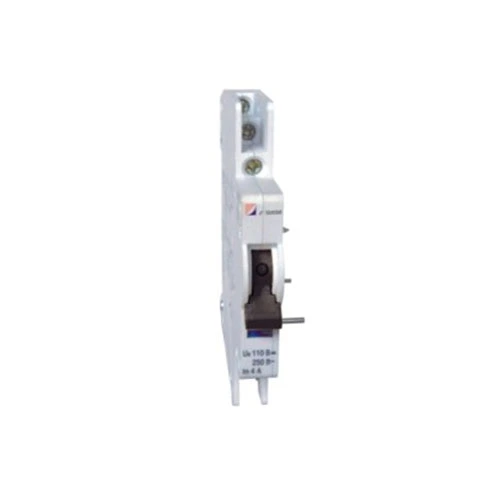
Why Does Miniature Circuit Breaker DPN 6KA Matter for Modern Electrical Protection?
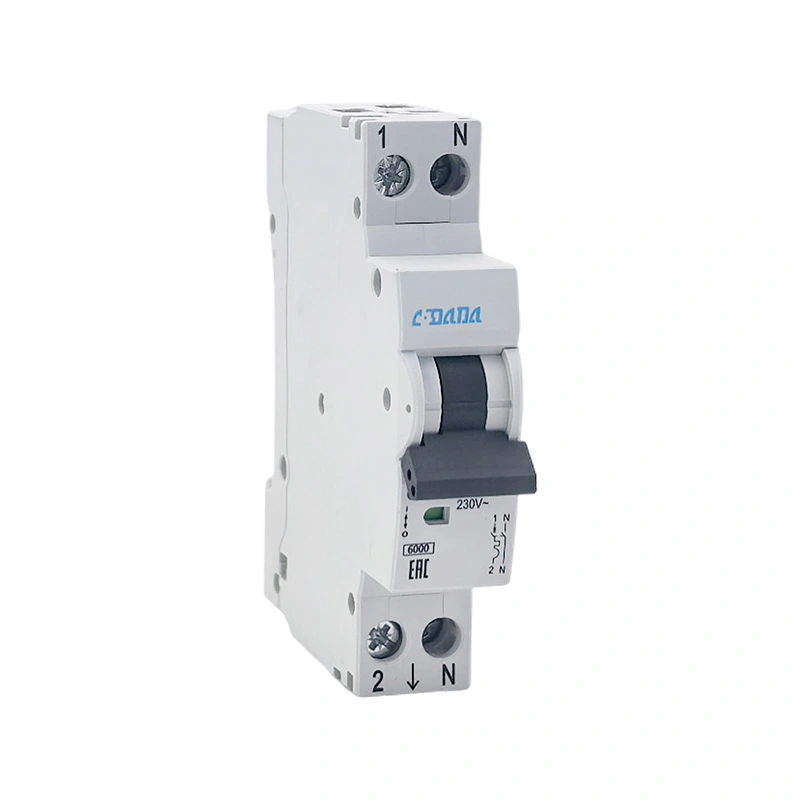
A Miniature Circuit Breaker DPN 6KA is designed to provide dependable protection against overloads and short circuits while combining compact dimensions with practical installation. The DPN configuration is commonly associated with a 1P+N arrangement, while 6KA refers to a 6 kA rated short-circuit breaking capacity under applicable standards and specified test conditions. This guide explains what Miniature Circuit Breaker DPN 6KA means, how it works, why its breaking capacity matters, where it can be used, how to select and install it correctly, and what buyers should consider when sourcing circuit protection equipment.

Table of Contents
- What Does Miniature Circuit Breaker DPN 6KA Mean?
- How Does a DPN 6KA Circuit Breaker Work?
- Why Is the 6KA Breaking Capacity Important?
- What Are the Main Benefits?
- Where Is It Commonly Used?
- What Should Buyers Check Before Selection?
- What Should Be Considered During Installation?
- How Does DPN 6KA Compare With Conventional MCB Configurations?
- How Can Performance Be Maintained?
- What Should You Expect From a Reliable Manufacturer?
- Frequently Asked Questions
- Contact Us
What Does Miniature Circuit Breaker DPN 6KA Mean?
A Miniature Circuit Breaker, commonly abbreviated as MCB, is an automatic protective switching device used to interrupt electrical current when abnormal conditions occur. Unlike a conventional fuse that normally needs to be replaced after operation, an MCB can generally be reset after the fault has been investigated and the circuit is considered safe.
The term DPN is commonly used to describe a compact 1P+N configuration, in which the device incorporates protection on the phase conductor while also switching the neutral conductor. The exact internal arrangement and whether the neutral is protected or only switched depend on the specific product design. Buyers should therefore verify the manufacturer's technical documentation instead of interpreting the abbreviation alone.
The 6KA marking, normally written as 6 kA, indicates a rated short-circuit breaking capacity of 6 kA under the relevant standard, test conditions, voltage, and product specification. In practical terms, it indicates the level of prospective short-circuit current that the breaker is designed to interrupt safely under its specified conditions.
This combination of compact configuration and defined short-circuit interruption capability makes the Miniature Circuit Breaker DPN 6KA useful for many low-voltage distribution applications where panel space and dependable circuit protection are both important.
How Does a DPN 6KA Circuit Breaker Work?
A typical miniature circuit breaker uses thermal and magnetic protection principles. The thermal mechanism responds to sustained overcurrent, while the magnetic mechanism is intended to respond rapidly to high-current fault conditions such as short circuits.
- Overload protection: When current remains above the circuit's normal operating level for a sufficient period, the thermal mechanism can cause the breaker to trip.
- Short-circuit protection: A high fault current can activate the magnetic trip mechanism, allowing the circuit to be interrupted rapidly.
- Manual switching: The operating handle allows the circuit to be switched on or off during normal operation when the product is designed for that function.
- Fault isolation: In a DPN arrangement, the phase and neutral conductors can be disconnected according to the device's specified switching design.
- Compact distribution: The narrow form factor can help electrical panels accommodate more circuits within limited DIN-rail space.
The purpose of the breaker is not simply to stop electricity. It must interrupt abnormal current within the conditions for which it has been designed while remaining reliable during normal operation. Correct coordination with upstream and downstream protective devices is therefore important.
For this reason, selecting a breaker based only on its physical size or nominal current can create problems. The complete electrical specification should always be reviewed before installation.
Why Is the 6KA Breaking Capacity Important?
Breaking capacity is one of the most important specifications to understand when purchasing a miniature circuit breaker. A 6 kA rating means the breaker has a rated short-circuit capacity of 6,000 amperes under the specified test conditions.
This does not mean that the breaker should continuously carry 6,000 A. The rated current of the breaker is a separate specification. For example, a breaker may have a rated current appropriate for a lighting or socket circuit while having a 6 kA short-circuit breaking capacity.
| Specification | What It Indicates | Why It Matters |
|---|---|---|
| Rated Current | Normal current the breaker is designed to carry under specified conditions | Helps match the breaker to the circuit load |
| 6 kA Breaking Capacity | Specified short-circuit current the breaker can interrupt under applicable test conditions | Helps ensure safe fault interruption |
| Rated Voltage | Electrical system voltage for which the device is specified | Ensures compatibility with the electrical system |
| Trip Characteristic | Defines the response behavior under overcurrent conditions | Helps prevent unwanted trips while maintaining protection |
For a new installation, the prospective short-circuit current at the point of installation should be assessed by a qualified electrical professional. The selected breaker should have an adequate breaking capacity for the installation and comply with applicable local requirements.
What Are the Main Benefits?
A properly specified DPN 6KA miniature circuit breaker can address several common challenges in compact electrical distribution systems.
Compact Design
A compact configuration can help save valuable space in distribution boards and consumer units.
Fast Fault Response
Thermal and magnetic trip mechanisms provide protection against different types of abnormal current.
Convenient Resetting
After a trip, the breaker can generally be reset once the cause of the fault has been identified and corrected.
Practical Circuit Management
Individual circuits can be isolated for maintenance or troubleshooting when the installation design permits it.
Another practical advantage is easier circuit organization. Instead of allowing a single protective device to serve too many loads, a properly planned distribution board can divide electrical loads into individual circuits. This makes troubleshooting easier and can help limit the impact of a fault to the affected circuit.
Where Is It Commonly Used?
DPN 6KA breakers can be considered for a broad range of low-voltage distribution applications, provided their electrical ratings and certification requirements match the installation.
- Residential distribution boards
- Apartment and building electrical systems
- Lighting circuits
- Socket and general-purpose circuits
- Small commercial buildings
- Offices and retail facilities
- Control panels and equipment distribution circuits
- Light industrial electrical installations
- Auxiliary circuits in electrical cabinets
They can be particularly useful in compact distribution equipment where the installer needs to balance circuit protection with available mounting space. However, application suitability should never be determined from the product name alone.
Load type, conductor size, installation method, ambient temperature, fault level, voltage system, earthing arrangement, and local electrical regulations all need to be considered before a specific model is selected.
What Should Buyers Check Before Selection?
One of the biggest purchasing mistakes is selecting a breaker based only on its rated current or the 6 kA marking. A more complete specification review can reduce compatibility problems, installation delays, and unnecessary replacement costs.
- Rated current: Select according to the circuit design and expected load rather than simply choosing the largest available rating.
- Rated voltage: Confirm that the breaker is suitable for the electrical system voltage and frequency.
- Pole configuration: Verify whether the required arrangement is 1P+N and understand which conductors are protected and switched.
- Breaking capacity: Confirm that the 6 kA rating is adequate for the prospective fault current at the installation point.
- Trip curve: Check the required tripping characteristic based on the load and inrush behavior.
- Standards and certification: Request relevant test reports, declarations, and certification documents applicable to the target market.
- Terminal compatibility: Check conductor size range, terminal construction, tightening requirements, and connection accessibility.
- DIN-rail compatibility: Confirm that the physical dimensions fit the intended distribution enclosure.
- Operating environment: Consider temperature, humidity, altitude, dust, vibration, and other environmental conditions.
- Supplier consistency: For projects requiring repeat orders, verify production capability and quality-control procedures.
Purchasing Tip: Ask for a complete technical datasheet rather than relying on a product title. A professional datasheet should provide the electrical, mechanical, installation, and compliance information required for technical evaluation.
For distributors, another important consideration is product consistency. A breaker that meets the specification in one shipment but varies significantly in later batches can create inventory and project risks. Buyers should therefore discuss quality-control procedures, inspection standards, packaging, labeling, and repeat-order requirements with the supplier in advance.
What Should Be Considered During Installation?
Electrical installation should be performed by a qualified professional and according to the manufacturer's instructions and applicable electrical codes. Even a correctly specified DPN 6KA breaker can perform poorly if it is installed incorrectly.
- De-energize the installation before working on distribution equipment.
- Confirm the circuit voltage and wiring arrangement before connection.
- Install the breaker securely on the appropriate DIN rail or mounting system.
- Use conductors within the manufacturer's specified size range.
- Apply the specified terminal tightening torque.
- Keep conductor routing neat and avoid unnecessary mechanical stress on terminals.
- Verify phase and neutral connections according to the product wiring diagram.
- Check that the enclosure provides adequate spacing, ventilation, and protection.
- Perform appropriate electrical tests before energizing the completed circuit.
Terminal connection deserves particular attention. A loose electrical connection can create resistance and heat, while an improperly prepared conductor can compromise the mechanical stability of the connection. Installation should therefore follow the manufacturer's specified conductor preparation and torque requirements.
Never use a breaker as a substitute for proper circuit design. Protective devices work as part of a complete electrical system that includes conductors, loads, upstream protection, earthing, and other safety components.
How Does DPN 6KA Compare With Conventional MCB Configurations?
| Feature | DPN 6KA | Conventional Single-Pole MCB |
|---|---|---|
| Typical Configuration | Commonly 1P+N | Typically 1P |
| Neutral Switching | Often included depending on design | Usually not included |
| Space Efficiency | Designed for compact distribution applications | Depends on the enclosure and number of poles |
| Breaking Capacity | 6 kA under specified conditions | Varies by model |
| Typical Advantage | Compact 1P+N circuit protection | Simple protection for suitable single-phase circuits |
The comparison does not mean that one configuration is universally better. The appropriate design depends on the electrical system, local regulations, available panel space, required isolation arrangement, and coordination with other protective equipment.
How Can Performance Be Maintained?
Miniature circuit breakers generally require limited routine maintenance, but the surrounding electrical system should still be inspected periodically. Frequent unexplained tripping should never be ignored.
- Inspect terminals for signs of overheating, discoloration, or damage.
- Check for loose connections during scheduled electrical maintenance.
- Keep the distribution enclosure clean and free from excessive dust or moisture.
- Monitor repeated trips and investigate the underlying cause.
- Replace breakers showing mechanical damage or abnormal operating behavior.
- Do not repeatedly reset a breaker without identifying why it tripped.
A breaker that trips repeatedly may indicate overload, short circuit, insulation problems, equipment faults, incorrect breaker selection, or another issue within the installation. Qualified personnel should diagnose the problem before returning the circuit to normal operation.
It is also useful to maintain accurate panel labeling. Clear identification of circuits can make future inspection and maintenance more efficient, especially in commercial buildings and larger electrical cabinets.
What Should You Expect From a Reliable Manufacturer?
When sourcing Miniature Circuit Breaker DPN 6KA products for wholesale distribution, electrical projects, OEM applications, or panel assembly, product quality is only one part of the purchasing decision. Consistent documentation, production control, communication, and after-sales support can also have an important impact on project success.
Shanghai DaDa Electric Co., Ltd. is a potential supplier source for customers seeking electrical protection products and related circuit-breaker solutions. When evaluating any manufacturer, buyers should request product datasheets and applicable compliance documentation, clarify the exact model configuration, and confirm production and inspection requirements before placing a bulk order.
A Practical Supplier Checklist:
- Complete product specifications
- Applicable standards and certification documents
- Rated current and voltage options
- 6 kA breaking-capacity documentation
- Product dimensions and installation information
- Quality-control and inspection procedures
- Sample availability for evaluation
- OEM/ODM requirements where applicable
- Packaging and labeling requirements
- Production lead time and long-term supply capability
For importers and distributors, communication is particularly important. Before confirming a purchase, it is useful to establish the exact product model, electrical specifications, quantity, packaging method, labeling, delivery requirements, inspection procedure, and documentation. This helps reduce misunderstandings between the buyer, manufacturer, and end customer.
Frequently Asked Questions
1. What does 6KA mean on a miniature circuit breaker?
6KA, more commonly written as 6 kA, indicates a rated short-circuit breaking capacity of 6,000 amperes under specified test conditions. It is not the normal operating current of the breaker.
2. What does DPN mean in a circuit breaker?
DPN is commonly associated with a 1P+N configuration. The exact protection and switching functions depend on the manufacturer's design, so the product datasheet should be checked before installation.
3. Is a 6 kA breaker suitable for every electrical installation?
No. The breaking capacity must be appropriate for the prospective short-circuit current at the installation location. Rated voltage, current, trip characteristic, installation conditions, and applicable regulations must also be considered.
4. Does 6 kA mean the breaker can carry 6,000 A continuously?
No. The 6 kA value relates to short-circuit interruption capability, not continuous current carrying capacity. The rated current is a separate specification.
5. Can a DPN 6KA breaker be used in residential distribution boards?
It can be suitable for certain residential applications when the product's electrical ratings, configuration, dimensions, certification, and installation requirements match the circuit and local regulations.
6. What information should I provide when requesting a quotation?
Provide the required rated current, rated voltage, pole configuration, trip characteristic, breaking capacity, quantity, target market, applicable standards, packaging requirements, and any OEM or labeling requirements. This helps the supplier evaluate the requirement more efficiently.
7. Why does a miniature circuit breaker trip repeatedly?
Repeated tripping can result from overload, short circuit, faulty equipment, wiring problems, unsuitable breaker selection, or other electrical faults. The cause should be identified by qualified personnel rather than repeatedly resetting the breaker.
8. Is DPN the same as a two-pole circuit breaker?
Not necessarily. Although a DPN device may involve phase and neutral switching, its internal protection and switching arrangement can differ from a conventional two-pole protective device. Always check the manufacturer's wiring diagram and technical specifications.
9. What is the difference between rated current and breaking capacity?
Rated current relates to the current the breaker is designed to carry during normal operation under specified conditions. Breaking capacity relates to its ability to interrupt a specified short-circuit current safely.
10. What is the most important specification when ordering a DPN 6KA breaker?
There is no single specification that applies to every installation. Rated current, voltage, pole configuration, trip characteristic, breaking capacity, applicable standards, physical dimensions, and installation conditions should all be checked together.
Contact Us for Miniature Circuit Breaker DPN 6KA Solutions
Choosing the right circuit breaker is ultimately about matching protection performance with the real requirements of the electrical installation. A Miniature Circuit Breaker DPN 6KA can offer a practical combination of compact configuration, overload protection, short-circuit interruption capability, and convenient circuit management when correctly specified and installed.
If you are sourcing Miniature Circuit Breaker DPN 6KA products for distribution boards, electrical projects, OEM applications, or wholesale supply, Shanghai DaDa Electric Co., Ltd. can provide product information and discuss your technical requirements. Contact us with your required current rating, voltage, quantity, application, and destination market to discuss a suitable solution. Contact Shanghai DaDa Electric Co., Ltd. to discuss specifications, samples, bulk orders, and project requirements.
Related News
- How Does an NSX Moulded Case Circuit Breaker Protect Electrical Distribution Systems?
- What Is a Type A Residual Current Circuit Breaker and How Does It Protect Electrical Systems?
- What Makes an MCCB with Leakage Protection Important for Safer Power Distribution?
- What Makes a 125 15KA Miniature Circuit Breaker Suitable for High-Current Protection?
- How Does a 6kA AC Miniature Circuit Breaker Improve Circuit Protection?
- A Practical Guide to Residual Current Circuit Breakers with Over current Protection
Leave me a message