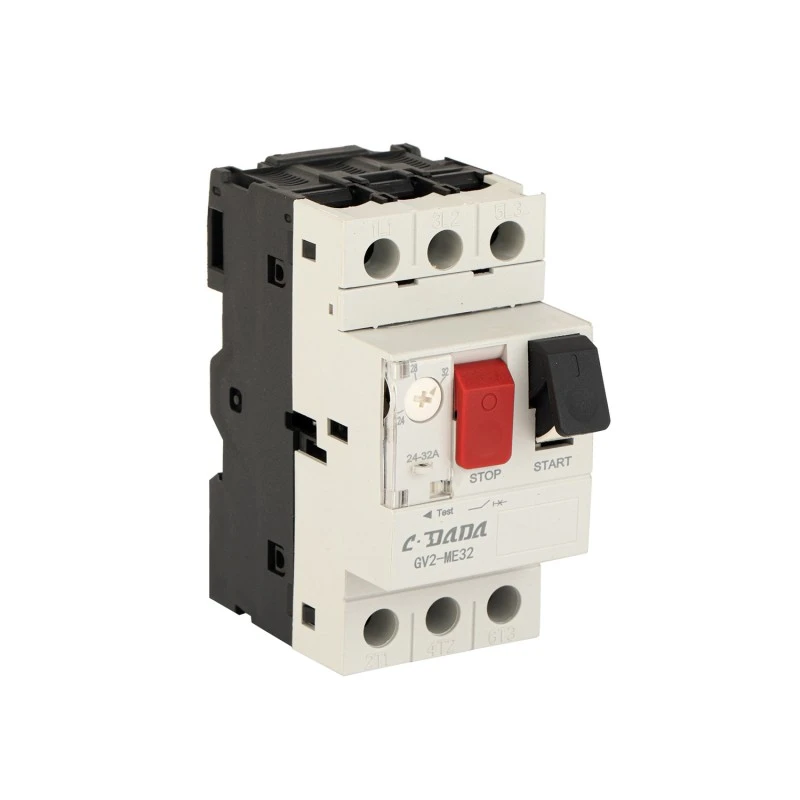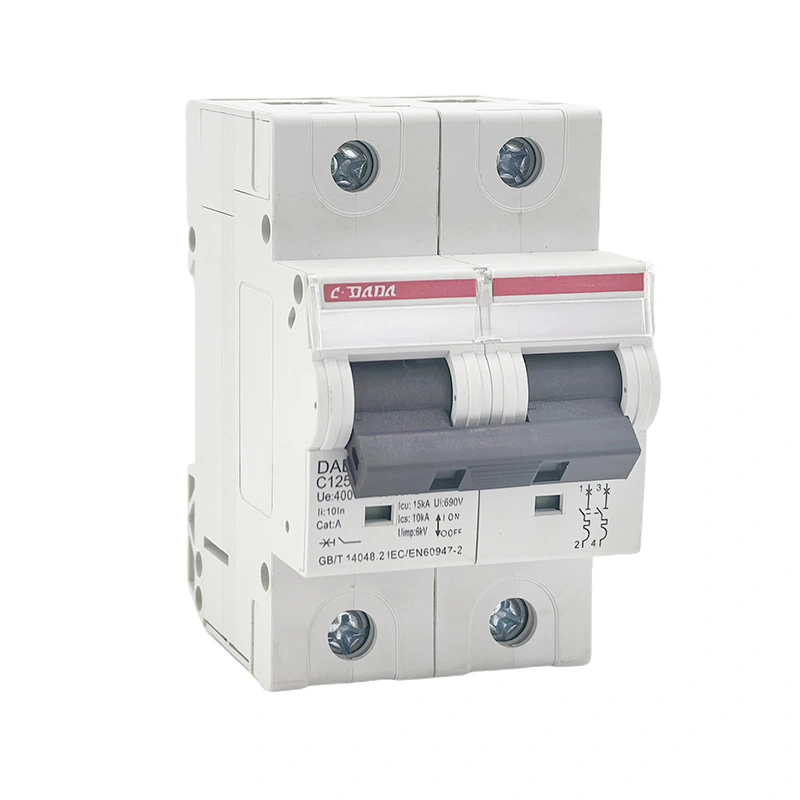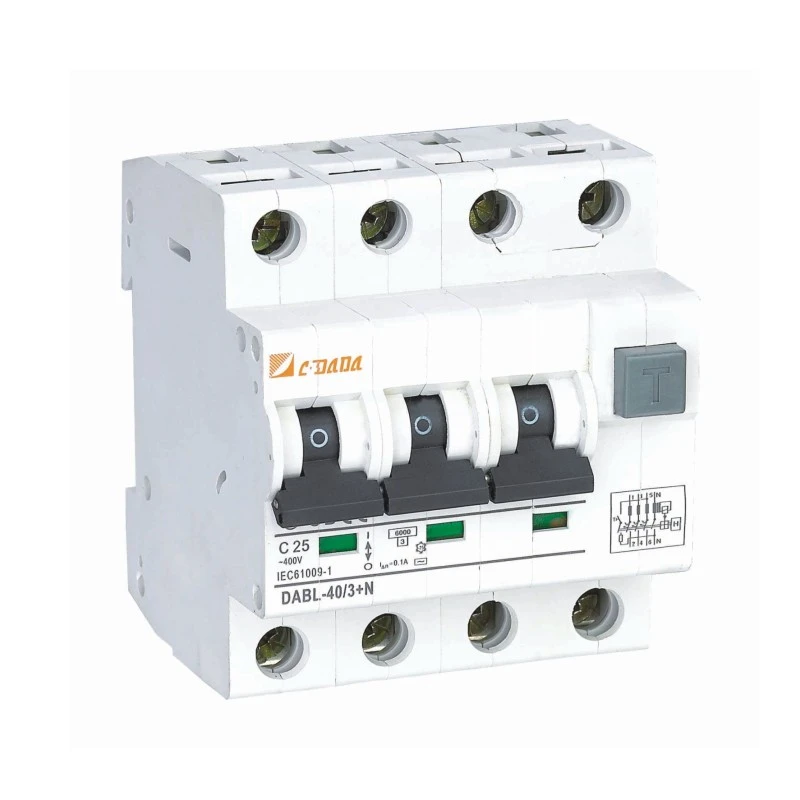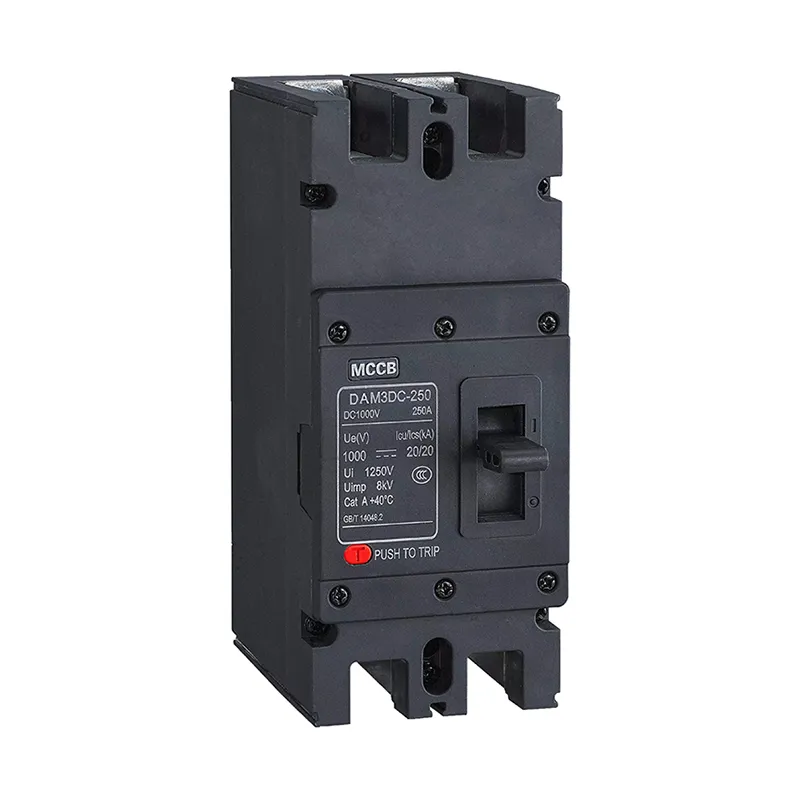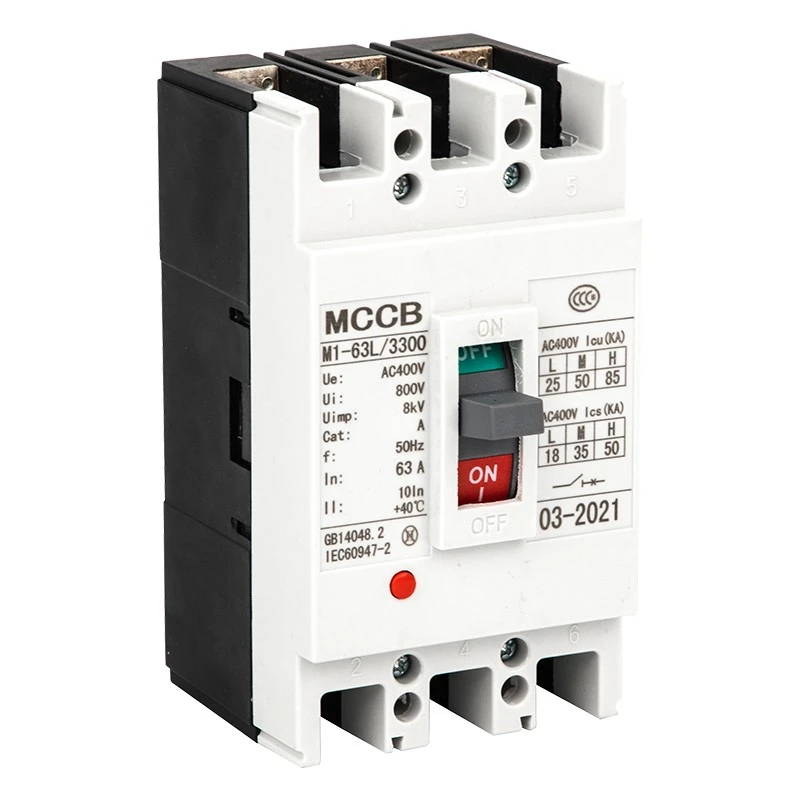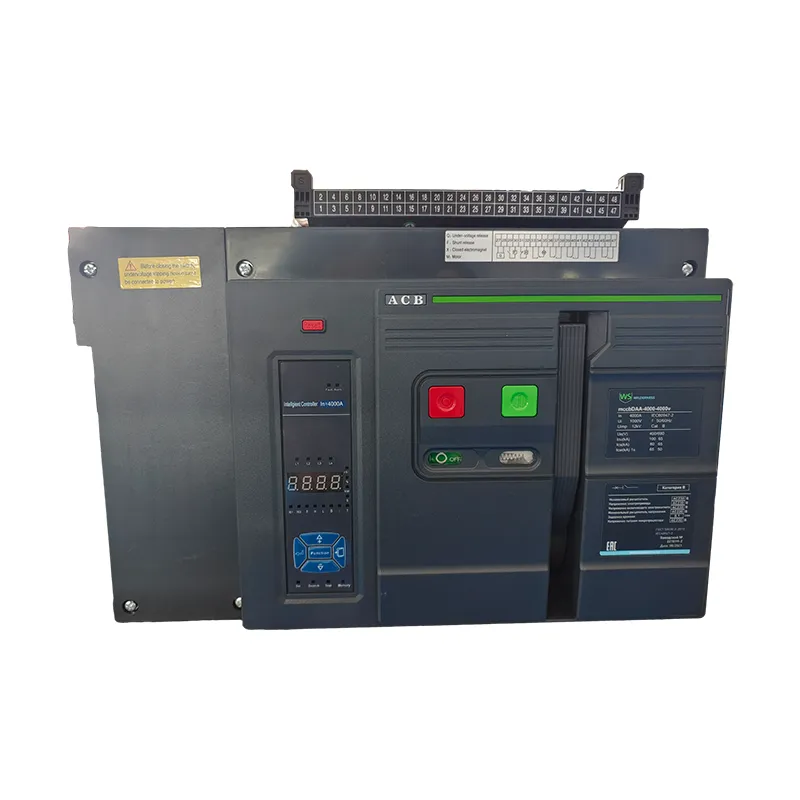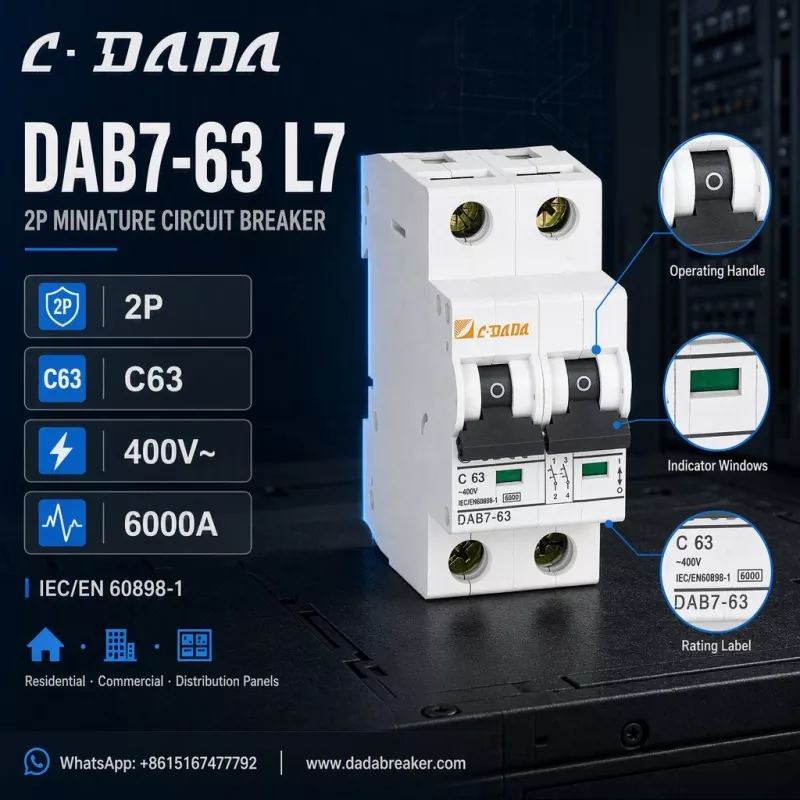
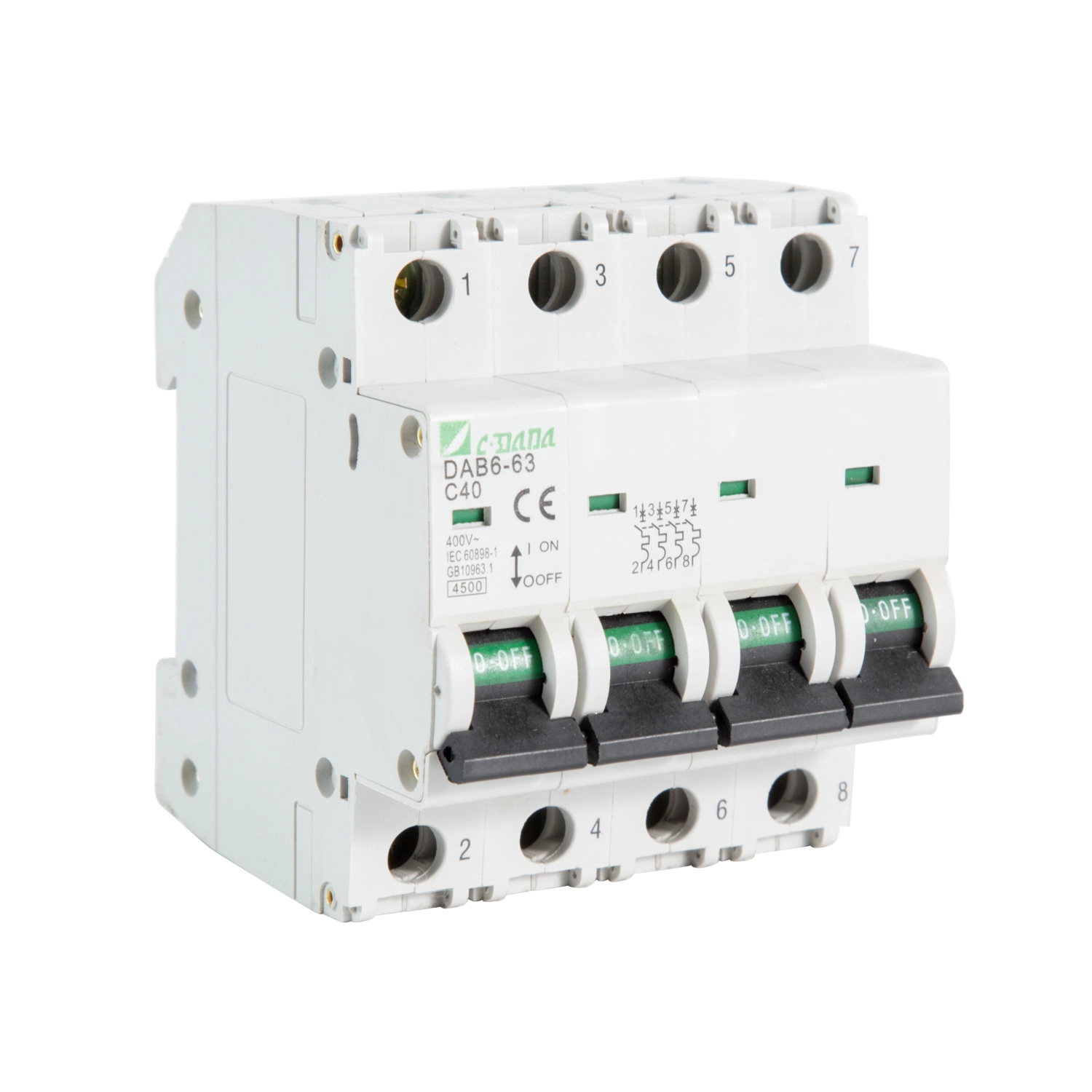
This guide explains how a 6kA AC miniature circuit breaker works, what the 6kA rating actually means, how B, C, and D trip curves affect performance, and how to select the appropriate rated current and pole configuration. It also identifies common purchasing mistakes and provides a practical checklist for engineers, contractors, and buyers evaluating MCB solutions from manufacturers such as Shanghai DaDa Electric Co., Ltd.
Table of Contents
- What Is a 6kA AC Miniature Circuit Breaker?
- Why Does the 6kA Breaking Capacity Matter?
- How Does an AC Miniature Circuit Breaker Protect a Circuit?
- Which Technical Parameters Should Buyers Check?
- How Do B, C, and D Trip Curves Affect Selection?
- Where Are 6kA AC Miniature Circuit Breakers Commonly Used?
- What Problems Can the Right MCB Help Prevent?
- How Can Buyers Select a Suitable 6kA MCB?
- Common Selection Mistakes to Avoid
- Why Work With an Experienced MCB Manufacturer?
- Frequently Asked Questions
- Contact Shanghai DaDa Electric Co., Ltd.
What Is a 6kA AC Miniature Circuit Breaker?
A miniature circuit breaker, commonly called an MCB, is a protective switching device designed to automatically disconnect an electrical circuit when abnormal current conditions occur. Unlike a traditional fuse, an MCB can normally be reset after the fault has been cleared, making it convenient for repeated operation and maintenance.
The term 6kA refers to the breaker's rated short-circuit breaking capacity under the applicable test conditions. In simple terms, a 6kA MCB is designed to safely interrupt a prospective short-circuit current up to 6,000 amperes when the specified requirements are met.
Products complying with IEC/EN 60898-1 commonly specify parameters such as rated current, rated voltage, frequency, breaking capacity, and instantaneous tripping characteristics. Commercial MCB ranges may offer 6kA ratings across different current ratings and pole configurations.
6kA is not the normal operating current of the breaker. A 16A MCB, for example, is intended to carry its rated current under specified conditions, while the 6kA figure describes its short-circuit interruption capability. These two specifications answer completely different engineering questions.
Why Does the 6kA Breaking Capacity Matter?
Short circuits can produce extremely high currents within a very short period. If the protective device cannot safely interrupt the fault current available at its installation point, the consequences can include severe contact damage, excessive heat, equipment failure, or dangerous electrical arcing.
Therefore, the breaking capacity should not be selected merely because 6kA is a commonly available specification. The prospective short-circuit current at the installation point must be evaluated, and the selected breaker must have adequate interruption capability for that system.
| Parameter | What It Means | Why It Matters |
|---|---|---|
| 6kA | Rated short-circuit breaking capacity | Determines whether the breaker can interrupt the specified fault-current level safely |
| Rated Current (In) | Normal current rating of the MCB | Must coordinate with conductor capacity and expected load |
| Rated Voltage (Ue) | Operating voltage for the application | Must be compatible with the electrical system |
| Trip Curve | Defines the instantaneous magnetic tripping range | Helps prevent nuisance tripping while maintaining fault protection |
| Number of Poles | Number of conductors switched/protected | Must match the circuit configuration |
Manufacturer specifications illustrate that 6kA MCBs are available for a range of current ratings and voltage configurations, including common 230V and 400V AC distribution systems.
How Does an AC Miniature Circuit Breaker Protect a Circuit?
A typical MCB combines thermal and magnetic protection mechanisms. These two functions address different electrical problems.
- Thermal protection: A sustained overload heats a bimetallic element. When the temperature reaches the operating threshold, the mechanism releases and opens the circuit.
- Magnetic protection: A high short-circuit current creates a strong magnetic effect that activates the instantaneous trip mechanism, disconnecting the circuit rapidly.
- Manual switching: The MCB can normally be switched manually for circuit isolation during maintenance or installation work.
This combination makes the MCB suitable for circuits where both long-duration overloads and sudden short-circuit faults need to be addressed. Modern MCB product ranges commonly combine thermal and magnetic releases and may provide B, C, or D characteristics depending on the intended load.
Which Technical Parameters Should Buyers Check?
Buyers often focus on current rating and price while overlooking other parameters. For a reliable project specification, the following characteristics should be checked together.
| Specification | Typical Consideration | Buyer Checkpoint |
|---|---|---|
| Breaking Capacity | 6kA | Confirm it is adequate for the prospective fault current |
| Rated Current | Application dependent | Coordinate with load and conductor capacity |
| Rated Voltage | Common AC distribution voltages | Match the system voltage |
| Frequency | 50/60Hz commonly specified | Confirm compatibility with the local grid |
| Trip Characteristic | B / C / D | Match the curve to load inrush characteristics |
| Pole Configuration | 1P, 1P+N, 2P, 3P, 4P depending on product | Match the wiring arrangement |
| Mounting | DIN rail is common | Confirm compatibility with the distribution board |
| Standards | IEC/EN 60898-1 or other applicable standard | Request technical documentation and certification where required |
Product documentation from established manufacturers commonly provides these parameters together rather than treating breaking capacity as an isolated specification.
How Do B, C, and D Trip Curves Affect Selection?
The trip curve is one of the most important decisions when specifying an MCB. The letter describes the approximate range in which the magnetic instantaneous release operates relative to the breaker's rated current.
| Curve | Typical Magnetic Tripping Range | Typical Application |
|---|---|---|
| B | 3–5 × In | Low-inrush loads, lighting, resistive circuits |
| C | 5–10 × In | General-purpose and moderately inductive loads |
| D | 10–20 × In | Higher-inrush loads such as certain motors and transformers |
These ranges are commonly associated with IEC 60898-1 MCB characteristics.
For example, if a motor produces a temporary starting current several times higher than its normal operating current, a highly sensitive curve may trip unnecessarily during startup. A C-curve or D-curve device may be more appropriate, depending on the equipment and the complete circuit design.
Where Are 6kA AC Miniature Circuit Breakers Commonly Used?
A 6kA AC miniature circuit breaker can be suitable for many low-voltage applications when the actual fault level, voltage, current, and installation requirements fall within the device's specifications.
- Residential distribution: lighting circuits, socket circuits, household appliances, and branch circuits.
- Commercial buildings: office distribution boards, lighting systems, retail facilities, and small equipment circuits.
- Industrial control panels: auxiliary circuits, control equipment, small motors, and other suitable low-voltage loads.
- Building services: HVAC-related auxiliary circuits, pumps, lighting, and general power distribution where specifications are appropriate.
- Electrical distribution cabinets: branch-circuit protection and modular distribution systems.
The actual application should always be verified against the manufacturer's product documentation and the requirements of the installation. A 6kA rating should never be assumed to be suitable for every electrical environment.
What Problems Can the Right MCB Help Prevent?
One of the biggest purchasing concerns is not simply whether a breaker works, but whether it performs consistently under the conditions for which it was selected.
1. Persistent Overload
A circuit carrying excessive current for too long can cause conductor heating and premature equipment deterioration. The thermal release is designed to respond to sustained overload conditions.
2. Short-Circuit Damage
A suitable breaking capacity allows the MCB to interrupt an excessive fault current without exceeding the device's specified interruption capability.
3. Nuisance Tripping
An unsuitable trip curve can cause unnecessary interruptions when equipment starts. Matching B, C, or D characteristics to the load helps address this problem.
4. Difficult Maintenance
A modular MCB can provide convenient manual isolation, helping electricians identify and work on individual circuits without necessarily shutting down an entire distribution system.
5. Procurement Uncertainty
In B2B projects, incomplete technical specifications can lead to wrong products, delayed approvals, or replacement costs. A clear product datasheet and defined technical parameters reduce these risks.
How Can Buyers Select a Suitable 6kA MCB?
A practical selection process can be divided into several steps. This helps engineers and purchasing teams avoid choosing a product solely from a catalog title.
-
Determine the system voltage.
Confirm the nominal AC voltage and whether the application is single-phase or three-phase. -
Calculate or confirm the design current.
The rated current of the MCB should be coordinated with the expected circuit load and the allowable current of the conductor. -
Determine the prospective short-circuit current.
Check the available fault current at the installation point and confirm that the selected 6kA breaking capacity is adequate. -
Evaluate load inrush.
Identify whether the circuit contains motors, transformers, capacitive equipment, switching power supplies, or other loads that produce significant startup current. -
Select the appropriate trip curve.
Choose B, C, or D based on the actual load and protection requirements rather than simply selecting the most common option. -
Choose the pole configuration.
Confirm whether the project requires 1P, 1P+N, 2P, 3P, 3P+N, or another configuration supported by the product series. -
Verify standards and documentation.
Request the applicable datasheet, test information, certificates, dimensional drawings, and installation instructions. -
Check panel compatibility.
Verify DIN-rail dimensions, terminal arrangement, conductor range, accessories, and available installation space.
- □ Rated voltage confirmed
- □ Rated current confirmed
- □ 6kA breaking capacity verified
- □ B/C/D curve selected according to load
- □ Pole configuration confirmed
- □ Applicable standard confirmed
- □ Dimensions and DIN-rail mounting checked
- □ Certification and test documentation requested
- □ Operating environment reviewed
- □ Coordination with upstream/downstream protection considered
Common Selection Mistakes to Avoid
Even when the basic specifications appear correct, several mistakes can create problems after installation.
| Mistake | Potential Problem | Better Practice |
|---|---|---|
| Choosing only by amperage | Other critical parameters may not match | Evaluate voltage, curve, breaking capacity, poles, and standards together |
| Assuming every 6kA breaker is interchangeable | Different products may have different dimensions and performance specifications | Compare complete datasheets |
| Using the wrong trip curve | Nuisance tripping or inadequate application suitability | Evaluate actual load inrush |
| Ignoring prospective fault current | Breaking capacity may be insufficient | Verify the fault level at the installation point |
| Overlooking conductor coordination | Protection may not properly match the wiring system | Coordinate MCB rating with conductor capacity |
| Buying without documentation | Approval and installation may become difficult | Request technical and compliance documents before purchasing |
Correct coordination between rated current, conductor capacity, trip characteristic, and fault level is central to reliable MCB selection.
Why Work With an Experienced MCB Manufacturer?
For large-volume procurement, OEM projects, distribution partnerships, and electrical panel manufacturing, the quality of the product is only one consideration. Buyers also need consistent specifications, stable production, responsive technical communication, and documentation that supports project approval.
Shanghai DaDa Electric Co., Ltd. can be considered as a manufacturing partner for customers looking for miniature circuit breaker solutions and related low-voltage electrical protection products. For B2B buyers, the most useful supplier evaluation should focus on measurable technical information rather than marketing claims alone.
- Clear product specifications and technical parameters
- Defined rated current and voltage ranges
- Available breaking-capacity options
- Trip-curve information for different load conditions
- Product drawings and installation information
- Applicable certification and compliance documentation
- Stable manufacturing and quality-control procedures
- Technical communication for project-specific requirements
- OEM/ODM support where applicable
For importers and electrical distributors, these factors can be especially important when products need to be integrated into different distribution systems or sold across multiple markets.
Frequently Asked Questions
6kA refers to the rated short-circuit breaking capacity under the applicable test conditions. It represents 6,000 amperes and should not be confused with the MCB's normal rated current.
No. Suitability depends on the prospective short-circuit current, system voltage, rated current, trip characteristic, pole configuration, installation conditions, and applicable regulations. The available fault current should be checked before selecting the breaker.
The two numbers describe different parameters. 6kA is a breaking-capacity rating, while 6A is a rated-current value. A breaker could potentially have a 6A rated current and a 6kA breaking capacity.
They identify different instantaneous magnetic tripping characteristics. Under IEC 60898-1, B is generally associated with approximately 3–5 times rated current, C with approximately 5–10 times, and D with approximately 10–20 times.
Motors can have substantial starting current, so C or D characteristics may be appropriate depending on the motor and circuit. The final selection should consider starting current, fault current, cable impedance, and coordination with other protective devices.
Not automatically. If the prospective short-circuit current exceeds the breaker's rated breaking capacity, a 6kA device may not be appropriate. The breaker must be selected according to the fault level and applicable installation requirements.
Buyers should normally request a detailed datasheet, technical specifications, dimensional drawings, installation instructions, applicable test or certification documents, and relevant product standards. Project-specific requirements may require additional documentation.
Consistency between production batches, traceability, technical documentation, quality control, delivery capability, and after-sales technical support can significantly affect the total cost and reliability of a B2B electrical project.
Build a More Reliable Circuit Protection Solution
Selecting a 6kA AC Miniature Circuit Breaker should begin with the electrical conditions of the application rather than the product label alone. Rated current, breaking capacity, trip curve, voltage, pole configuration, installation environment, and technical documentation all contribute to a dependable protection solution.
If you are sourcing MCBs for electrical distribution projects, control panels, commercial buildings, residential applications, or wholesale distribution, Shanghai DaDa Electric Co., Ltd. can help you evaluate suitable product specifications according to your project requirements.
Need technical specifications, product information, or support for a bulk purchasing project? Contact us to discuss your application and find a suitable miniature circuit breaker solution.