What Is a Residual Current Circuit Breaker?
A Residual Current Circuit Breaker (RCCB) is a critical electrical safety device designed to protect people and property from electric shock, fire hazards, and leakage currents. In modern electrical systems, where residential, commercial, and industrial loads are increasingly complex, RCCBs play an essential role in ensuring safe power distribution. This article provides a comprehensive guide to understanding how RCCBs work, why they are essential, how to select the right model, common installation practices, maintenance tips, and real-world applications. It also helps readers solve practical pain points such as nuisance tripping, improper sizing, and system compatibility issues.
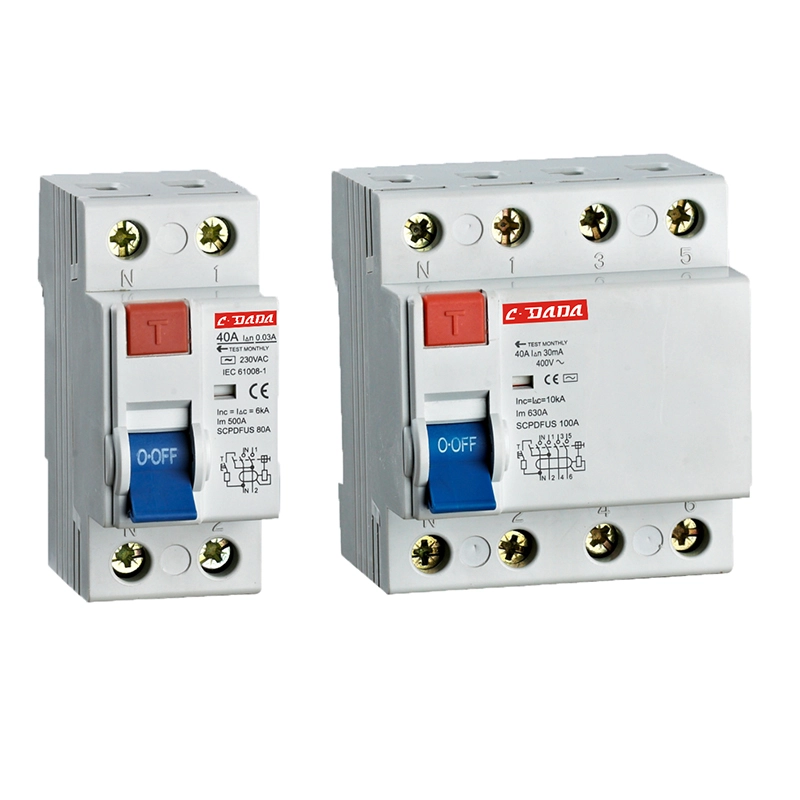
Table of Contents
- 1. Introduction to Residual Current Circuit Breaker
- 2. How a Residual Current Circuit Breaker Works
- 3. Types of RCCBs and Their Differences
- 4. Key Benefits and Protection Mechanisms
- 5. RCCB vs MCB vs RCBO
- 6. How to Choose the Right RCCB
- 7. Installation Guidelines and Best Practices
- 8. Common Problems and Troubleshooting
- 9. Maintenance and Testing
- 10. Applications in Different Industries
- 11. Safety Standards and Compliance
- 12. Frequently Asked Questions
- 13. Conclusion
1. Introduction to Residual Current Circuit Breaker
A Residual Current Circuit Breaker (RCCB) is an electrical protection device that disconnects a circuit whenever it detects an imbalance between live and neutral currents. This imbalance typically indicates leakage current flowing to the ground, which could be dangerous to humans or could lead to electrical fires.
Unlike standard protective devices, RCCBs do not protect against overload or short circuit conditions. Instead, their primary role is to ensure personal safety by detecting even small leakage currents—often as low as 30mA.
2. How a Residual Current Circuit Breaker Works
The working principle of a Residual Current Circuit Breaker is based on Kirchhoff’s current law, which states that the current entering a circuit must equal the current leaving it. If there is any difference, it indicates leakage.
Inside the RCCB, a current transformer continuously monitors the live and neutral conductors. Under normal conditions, the magnetic fields cancel each other. However, when leakage occurs, the imbalance triggers the trip mechanism.
- Normal condition: Live current = Neutral current
- Fault condition: Live current ≠ Neutral current
- Trip action: Circuit disconnects instantly (milliseconds)
This fast response is what makes RCCBs extremely effective in preventing electric shocks.
3. Types of RCCBs and Their Differences
Different applications require different types of RCCBs. Below is a breakdown of the most common types:
| Type | Description | Application |
|---|---|---|
| AC Type | Detects sinusoidal alternating residual currents | Basic residential circuits |
| A Type | Detects AC and pulsating DC currents | Modern appliances, washing machines |
| B Type | Detects AC, pulsating DC, and smooth DC currents | Industrial drives, EV charging |
4. Key Benefits and Protection Mechanisms
RCCBs provide multiple layers of protection that make them indispensable in modern electrical systems:
- Electric shock protection: Prevents fatal accidents by disconnecting faulty circuits instantly.
- Fire prevention: Stops leakage currents that may overheat wiring.
- Equipment protection: Reduces damage caused by earth faults.
- High sensitivity: Detects leakage as low as 10–30mA.
- Fast response time: Trips within milliseconds.
These advantages make RCCBs essential in both residential and industrial electrical infrastructures.
5. RCCB vs MCB vs RCBO
Many users confuse RCCBs with MCBs and RCBOs. The table below clarifies the differences:
| Device | Protection Type | Main Function |
|---|---|---|
| RCCB | Earth leakage only | Protects against electric shock |
| MCB | Overload & short circuit | Protects wiring and circuits |
| RCBO | Combined protection | Leakage + overload + short circuit |
In many installations, RCCBs are used alongside MCBs to achieve complete protection.
6. How to Choose the Right RCCB
Selecting the right RCCB is crucial for ensuring safety and system efficiency. Consider the following factors:
- Rated current: Match with system load (e.g., 25A, 40A, 63A).
- Sensitivity level: 30mA for personal protection, 100mA–300mA for fire protection.
- Number of poles: 2-pole for single-phase, 4-pole for three-phase systems.
- Type selection: AC, A, or B depending on load characteristics.
- Brand reliability: Choose certified manufacturers with proven safety records.
7. Installation Guidelines and Best Practices
Proper installation is essential for RCCB performance. Incorrect wiring can lead to nuisance tripping or failure to trip.
- Ensure correct phase and neutral connection.
- Install RCCB upstream of final circuits.
- Avoid mixing neutral wires between circuits.
- Test device after installation using test button.
- Follow local electrical codes and standards.
8. Common Problems and Troubleshooting
Even high-quality RCCBs may experience issues. Here are common problems and solutions:
- Nuisance tripping: Often caused by leakage from multiple devices or poor insulation.
- Failure to reset: Could indicate persistent earth fault.
- No trip during test: Device may be faulty and require replacement.
- Overheating: Caused by loose connections or overload conditions.
9. Maintenance and Testing
Regular maintenance ensures long-term reliability of RCCBs:
- Press test button monthly to verify operation.
- Inspect wiring connections annually.
- Replace outdated devices every 8–10 years.
- Monitor for signs of discoloration or burning.
10. Applications in Different Industries
Residual Current Circuit Breakers are widely used across various sectors:
- Residential buildings: Kitchens, bathrooms, and outdoor circuits.
- Commercial facilities: Offices, malls, and hotels.
- Industrial plants: Machinery protection and control panels.
- Healthcare: Critical life-support systems and labs.
- EV charging stations: High-sensitivity leakage detection.
11. Safety Standards and Compliance
RCCBs must comply with international safety standards to ensure reliability and performance. These standards define parameters such as trip time, leakage sensitivity, and endurance testing.
Compliance ensures that the device performs consistently under fault conditions and meets global safety expectations.
12. Frequently Asked Questions
Q1: Does an RCCB protect against short circuits?
No, it only protects against earth leakage. MCBs are required for short circuit protection.
Q2: Why does my RCCB trip frequently?
This may be due to faulty appliances, insulation issues, or cumulative leakage.
Q3: Can RCCB work without grounding?
It is not recommended. Proper grounding ensures effective operation.
Q4: How often should RCCBs be tested?
At least once a month using the built-in test button.
Q5: What is the lifespan of an RCCB?
Typically 8–10 years depending on usage conditions.
13. Conclusion
A Residual Current Circuit Breaker is one of the most important safety devices in any electrical system. It provides life-saving protection by detecting leakage currents and disconnecting circuits within milliseconds. Whether used in homes, factories, or commercial buildings, RCCBs significantly reduce the risk of electric shock and fire hazards.
Choosing the right type, installing it correctly, and maintaining it regularly ensures long-term safety and system stability. As electrical demands continue to grow, RCCBs remain a fundamental component of modern power distribution systems.
Shanghai DaDa Electric Co., Ltd. is committed to providing reliable and high-quality electrical protection solutions that meet diverse industrial and residential needs. With advanced manufacturing capabilities and strict quality control, we ensure safe and efficient electrical performance for global customers.
For professional consultation and product inquiries, feel free to contact us today.
Related News
- How Does an NSX Moulded Case Circuit Breaker Protect Electrical Distribution Systems?
- What Is a Type A Residual Current Circuit Breaker and How Does It Protect Electrical Systems?
- What Makes an MCCB with Leakage Protection Important for Safer Power Distribution?
- What Makes a 125 15KA Miniature Circuit Breaker Suitable for High-Current Protection?
- How Does a 6kA AC Miniature Circuit Breaker Improve Circuit Protection?
- A Practical Guide to Residual Current Circuit Breakers with Over current Protection
Leave me a message