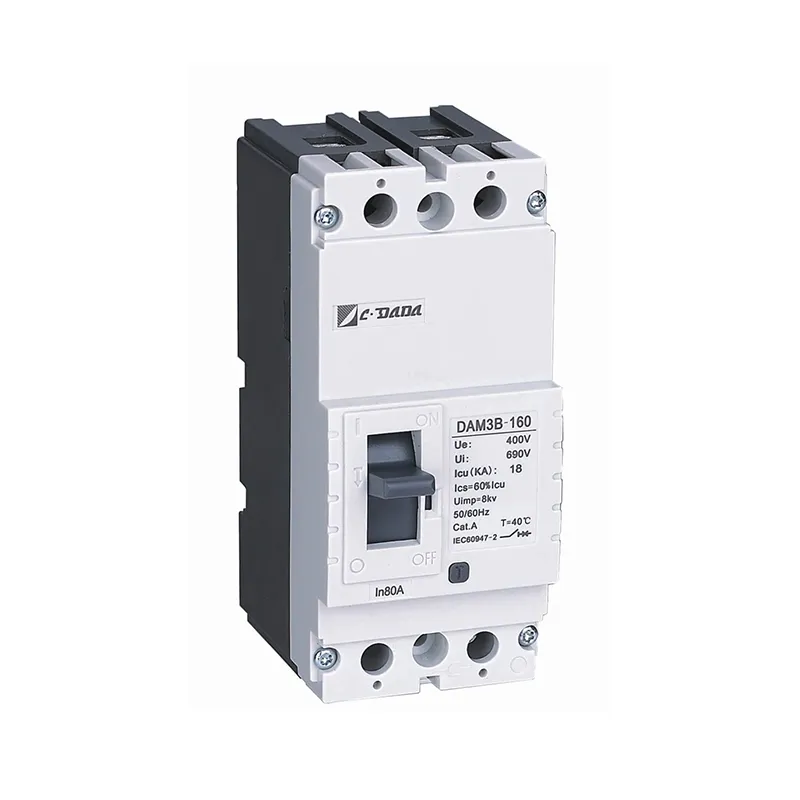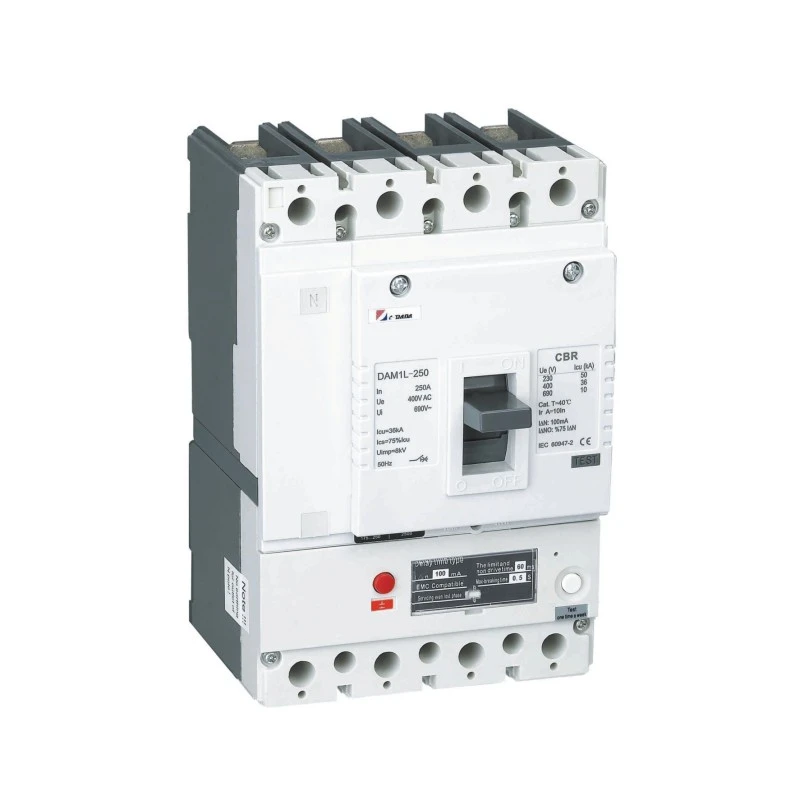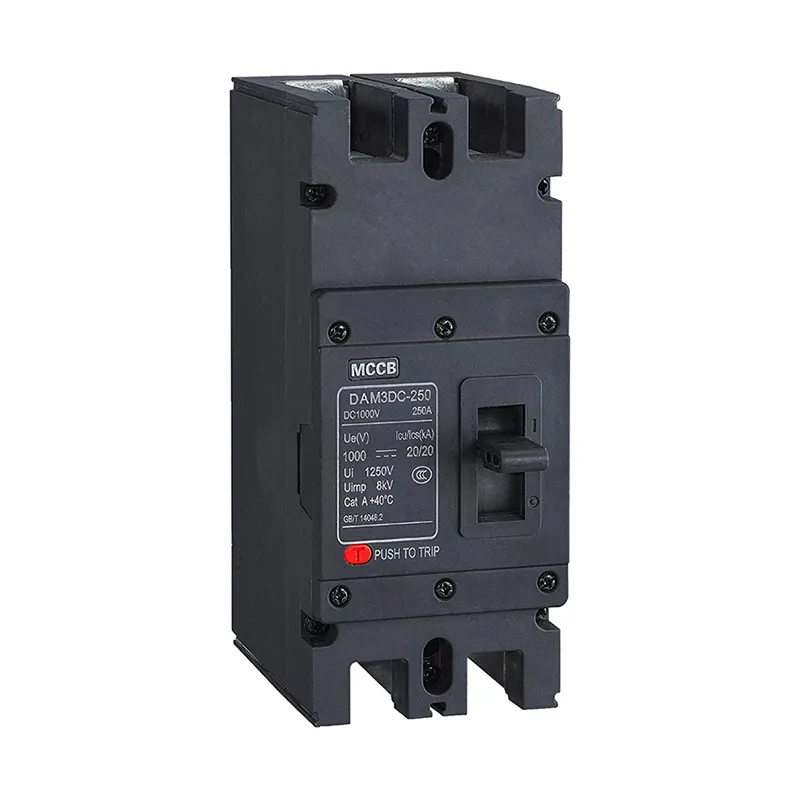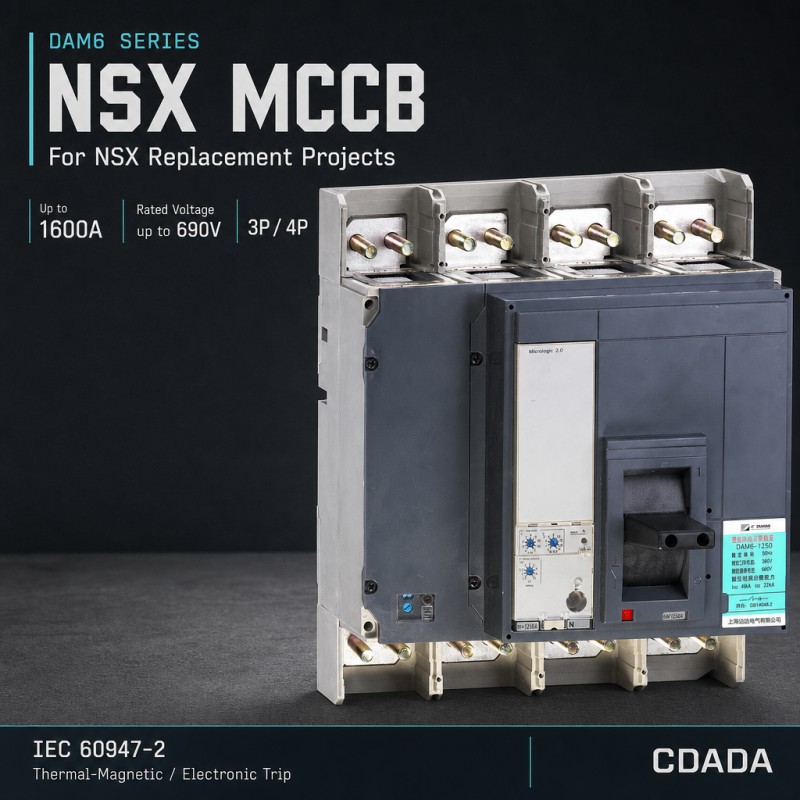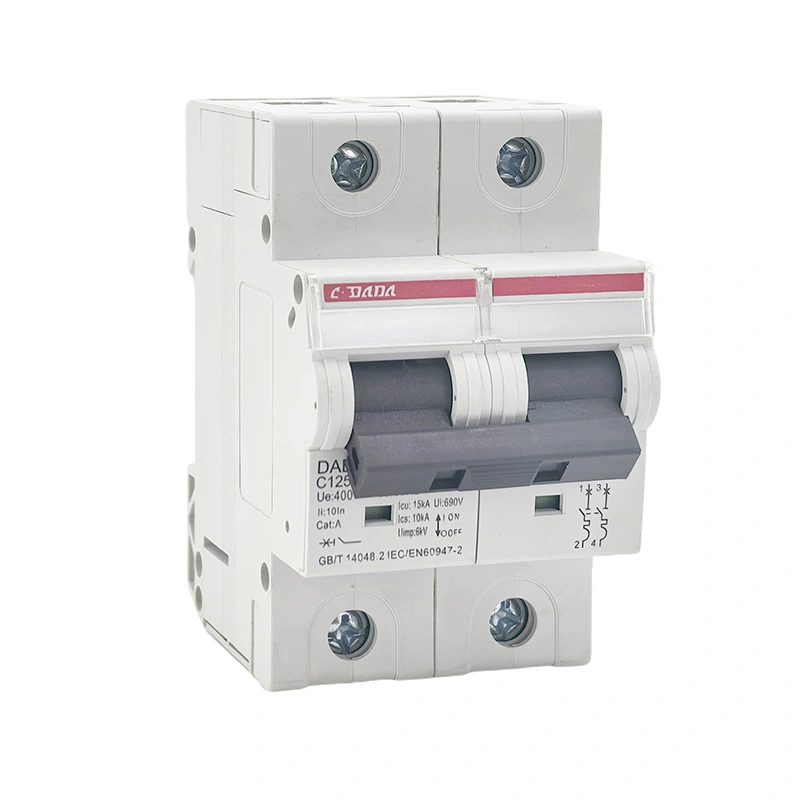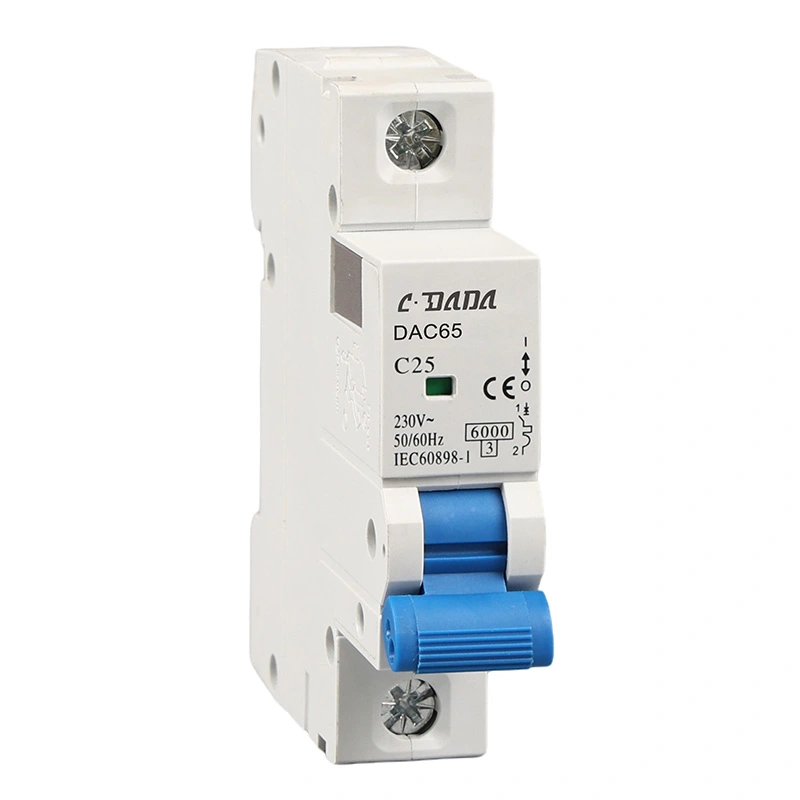
An NSX moulded case circuit breaker is used in low-voltage electrical distribution systems to help protect circuits against overloads and short circuits. Its enclosed construction combines switching and protective functions in one device, making it suitable for distribution panels, industrial equipment, and commercial electrical installations.
Selecting a circuit breaker requires more than matching the rated current to the connected load. Rated operational voltage, short-circuit breaking capacity, pole configuration, trip unit type, and installation conditions must also be considered. Understanding these factors helps engineers and panel builders choose a protection device that meets the electrical system's requirements.
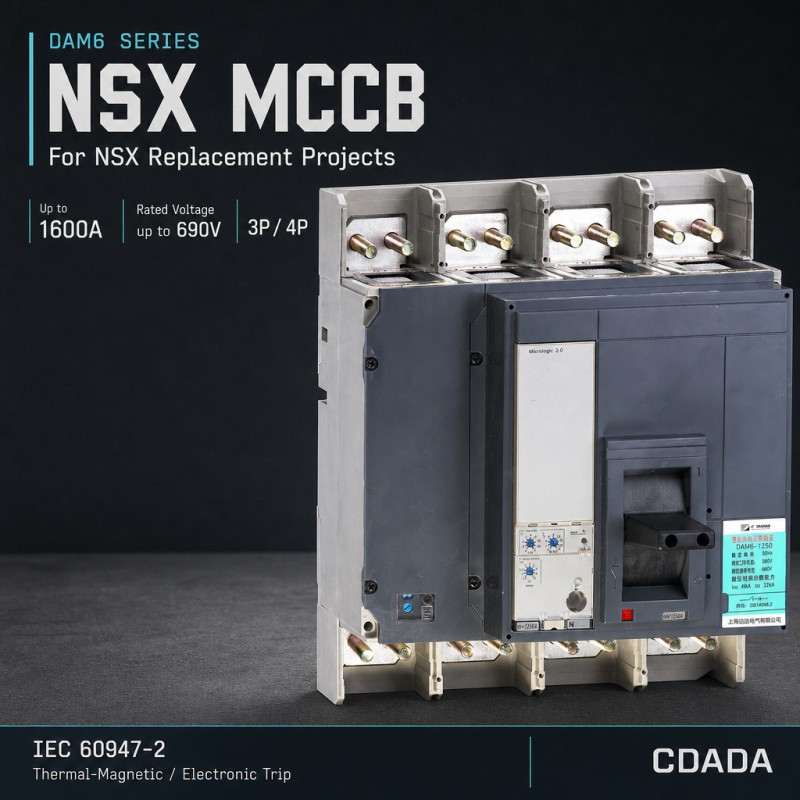
NSX moulded case circuit breaker for low-voltage power distribution and circuit protection.
1. How Does an NSX Moulded Case Circuit Breaker Work?
3. Important Selection Parameters
4. Typical Industrial Applications
1. How Does an NSX Moulded Case Circuit Breaker Work?
A moulded case circuit breaker, commonly known as an MCCB, monitors current flowing through an electrical circuit. When the current exceeds the protection settings or a short circuit occurs, the trip mechanism opens the contacts to interrupt the current and reduce the risk of damage to cables, equipment, and connected electrical components.
The moulded insulating enclosure houses the main contacts, operating mechanism, and protective components. Its compact construction allows the breaker to be installed in suitable switchboards and distribution cabinets while providing a defined mounting and connection arrangement.
Thermal Protection Against Overloads
In a thermal-magnetic design, a bimetallic element responds to sustained overcurrent by heating and bending. When the current remains above the permitted level for the corresponding time, the mechanism trips the breaker. This time-dependent response helps distinguish prolonged overloads from brief current variations.
Magnetic Protection Against Short Circuits
A magnetic trip mechanism responds rapidly to high fault currents. When a short circuit occurs, the breaker opens its contacts to interrupt the fault, subject to its rated breaking capacity and operating conditions.
Electronic Trip Options
Depending on the model and configuration, an MCCB may use an electronic trip unit instead of, or in place of, a conventional thermal-magnetic arrangement. Electronic protection can offer adjustable trip settings and more precise coordination options. Available functions should be verified against the selected product's technical documentation.
2. Main Protection Functions
The protection functions required for an NSX moulded case circuit breaker depend on the load, circuit design, and expected fault conditions. The following functions are commonly considered when specifying an MCCB.
Overload Protection
Overload protection helps prevent cables and electrical equipment from carrying excessive current for too long. The rated current and trip characteristics must be coordinated with the conductor capacity, load profile, and applicable electrical installation rules.
Short-Circuit Protection
Short-circuit protection responds to high fault currents that can cause rapid heating and mechanical stress. The selected breaker must have sufficient breaking capacity for the prospective short-circuit current at its installation point.
Isolation and Switching
An MCCB can also provide a means of switching a circuit on or off. Where isolation is required, confirm that the particular device is suitable for the intended isolation function and that the installation follows the applicable safety procedures.
Accessories and Control Options
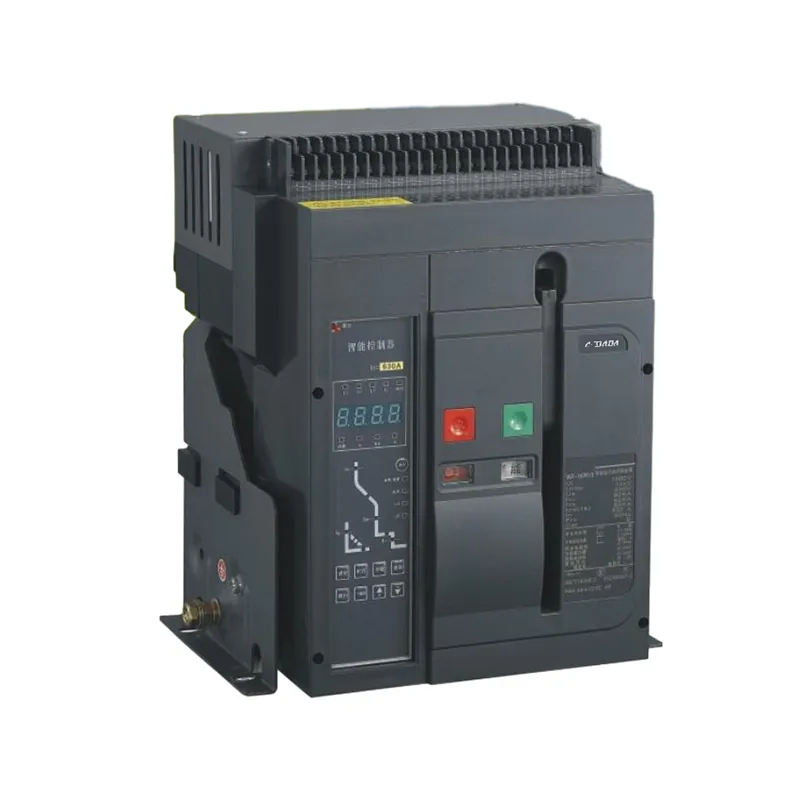
Depending on the product series, optional accessories may include auxiliary contacts, alarm contacts, shunt trips, undervoltage releases, or motorized operating mechanisms. These options can support remote signaling, interlocking, and control within a distribution system. Confirm availability and compatibility before ordering.
3. Important Selection Parameters
Choosing a breaker by current rating alone can lead to an unsuitable protection arrangement. Engineers should review the complete electrical specification and match each parameter to the system design.
| Parameter | What to Check | Why It Matters |
|---|---|---|
| Rated Current (In) | Continuous load current and the circuit's design requirements | Helps ensure the breaker is suitable for the expected load and conductor protection. |
| Rated Operational Voltage (Ue) | System voltage and AC/DC application requirements | The breaker must be rated for the voltage and current type of the circuit. |
| Rated Insulation Voltage (Ui) | Insulation rating stated in the product documentation | Indicates the voltage basis used for insulation design and related testing. |
| Breaking Capacity (Icu / Ics) | Prospective fault current and the required interruption performance | Helps establish whether the breaker can safely interrupt the expected fault current under specified conditions. |
| Pole Configuration | 1P, 2P, 3P, or 4P options as applicable | Must match the circuit arrangement and the required switching or neutral protection. |
| Trip Unit | Thermal-magnetic or electronic protection and available settings | Determines the available trip characteristics and coordination options. |
| Installation Type | Fixed, plug-in, or another supported mounting arrangement | Must be compatible with the distribution cabinet and connection layout. |
| Accessories | Auxiliary contacts, shunt trip, undervoltage release, or operating mechanism | Supports the required control, monitoring, and interlocking functions. |
For CDADA's NSX replacement solutions, the available configurations are described as including 3-pole and 4-pole versions, rated voltage up to 690V, frame ratings up to 1600A, and thermal-magnetic or electronic trip options. These are range-level descriptions, not specifications for every individual model. Confirm the exact rated current, voltage, breaking capacity, dimensions, and accessories for the selected configuration.
4. Typical Industrial Applications
Industrial Distribution Panels
Manufacturing plants often use MCCBs in incoming feeders, sub-distribution boards, and equipment circuits. The selected breaker must match the load current, system voltage, fault level, and coordination requirements of the installation.
Motor and Machinery Circuits
Motors can draw elevated current during startup, so the protective device must account for starting characteristics as well as overload and short-circuit protection. Motor circuits may require coordinated protection with contactors, overload relays, and upstream devices.
Commercial Buildings
Commercial buildings use circuit breakers in main distribution boards, floor-level panels, and equipment supplies. Proper selection helps protect electrical circuits serving lighting, HVAC systems, pumps, and other building services.
Power Distribution Cabinets
Panel builders integrate MCCBs into cabinets to distribute electrical power to multiple outgoing circuits. Compact dimensions, terminal arrangements, accessory compatibility, and ease of installation are important when designing the panel layout.
Infrastructure and Energy Systems
Infrastructure facilities and energy projects may require breakers with specific current ratings, breaking capacities, and control functions. Applications involving photovoltaic systems, battery storage, or DC circuits need devices specifically rated for the relevant DC voltage and interruption conditions; an AC rating should not be assumed to apply to DC operation.
5. Installation and Coordination Considerations
Correct installation is essential for reliable circuit protection. Before mounting an NSX moulded case circuit breaker, verify the product's installation instructions, terminal arrangement, enclosure requirements, and specified tightening torque.
Check Electrical Compatibility
Confirm that the rated voltage, rated current, pole arrangement, and breaking capacity match the circuit design. The prospective short-circuit current should be evaluated at the installation point, including the effects of the upstream supply and circuit impedance.
Coordinate Upstream and Downstream Protection
Protection coordination helps determine how breakers respond when a fault occurs. Depending on the design, engineers may evaluate time-current characteristics, selectivity, backup protection, and the relationship between upstream and downstream devices.
Verify Mechanical Compatibility
For replacement projects, compare the breaker dimensions, mounting points, terminal positions, busbar connections, and accessory interfaces with the existing equipment. Similar product names or frame ratings do not automatically guarantee physical or electrical interchangeability.
Follow Applicable Standards
Specify the standards required by the project and target market. IEC/EN 60947-2 is a commonly used standard for low-voltage circuit breakers. Verify the relevant edition, product certification, and compliance documentation for the exact model rather than assuming all configurations have identical approvals.
6. Inspection and Maintenance
Inspection intervals should follow the manufacturer's instructions, site maintenance plan, and applicable electrical safety requirements. Work should be carried out by qualified personnel using appropriate isolation and verification procedures.
Visual inspection: Look for cracks, discoloration, signs of overheating, contamination, corrosion, or damage to the enclosure and terminals.
Connection checks: Inspect electrical connections according to the manufacturer's procedures. Loose connections can cause excessive heating, while overtightening may damage terminals or conductors.
Operating mechanism: Check the handle and mechanism for abnormal movement or visible damage. Functional testing should follow the approved procedure and must not expose personnel to live electrical hazards.
Trip function verification: Where required, perform suitable trip tests using approved test equipment and methods. Do not create an actual short circuit to test the breaker in service.
Replacement planning: If the breaker shows signs of damage, fails a required test, or no longer meets the circuit's specifications, have it assessed by qualified personnel and replace it when necessary.
7. Frequently Asked Questions
Q1: What is an NSX moulded case circuit breaker used for?
It is used in low-voltage electrical distribution systems to provide circuit switching and protection against overloads and short circuits, subject to the specifications of the selected model.
Q2: What is the difference between an MCCB and an MCB?
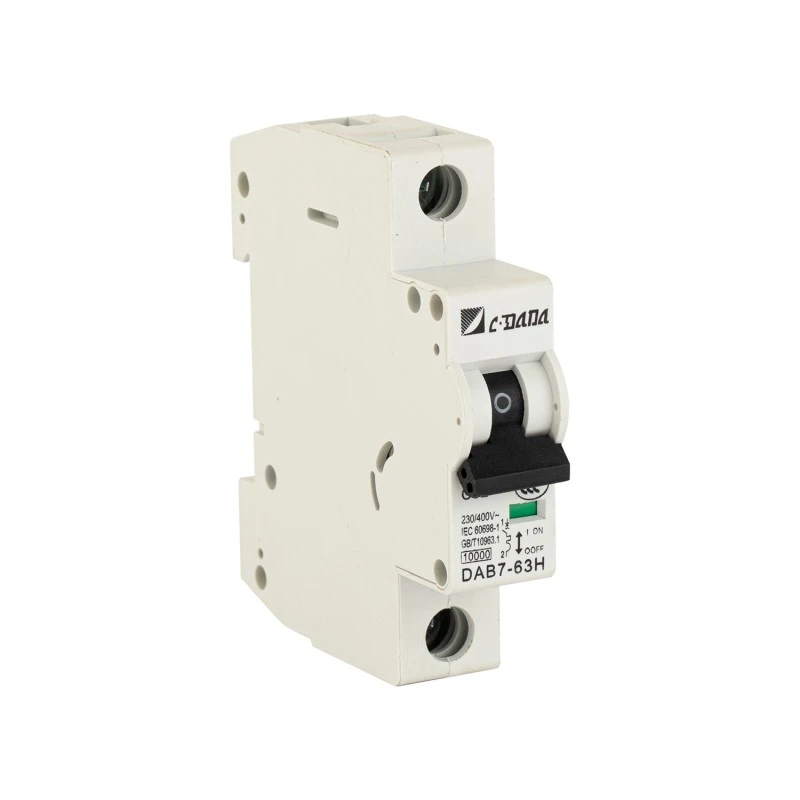
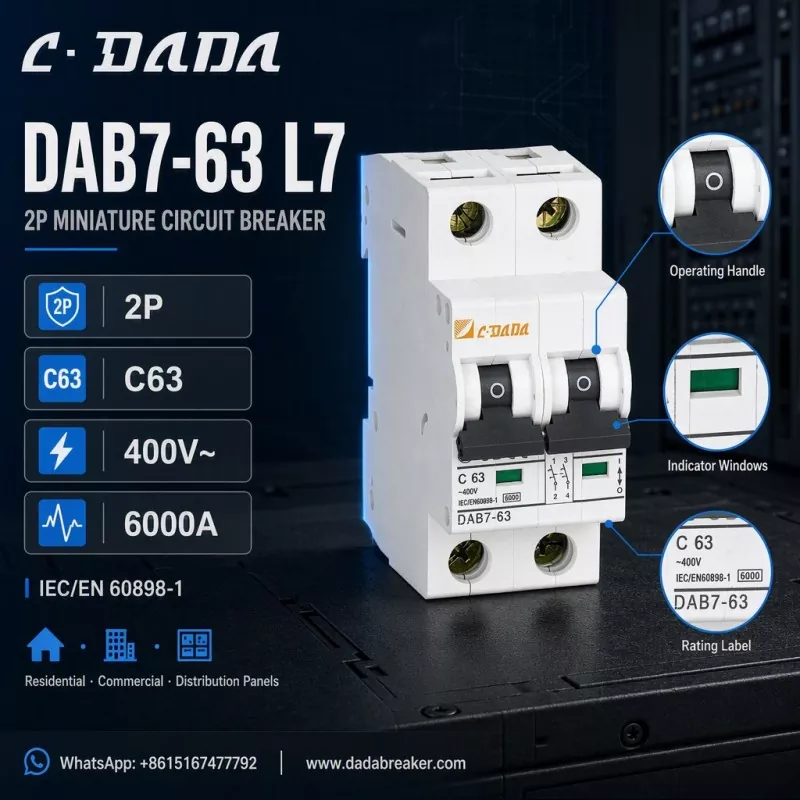
MCCBs generally support higher current ratings and a wider range of breaking capacities and trip options than typical miniature circuit breakers. The suitable type depends on the load, fault level, and installation requirements.
Q3: How do I choose the correct breaking capacity?
Determine the prospective short-circuit current at the installation point and select a breaker with an appropriate rated breaking capacity under the applicable voltage and operating conditions.
Q4: Are thermal-magnetic and electronic trip units interchangeable?
Not necessarily. The available trip unit depends on the breaker series and configuration. Verify compatibility, protection functions, dimensions, and settings before specifying a replacement.
Q5: Can an NSX replacement breaker fit an existing panel?
Compatibility depends on dimensions, mounting arrangement, terminal layout, electrical ratings, and accessory interfaces. Compare the original device's documentation with the proposed replacement before installation.
Q6: What information is needed when requesting a quotation?
Provide the required rated current, operating voltage, pole configuration, breaking capacity, trip unit type, mounting arrangement, accessories, quantity, and any existing model number or drawing.
Need Help Selecting an MCCB?
Choosing the right circuit breaker starts with your system voltage, load current, fault level, and installation requirements. Contact CDADA to discuss the required configuration, technical documentation, and compatibility considerations for your project.
Contact Us