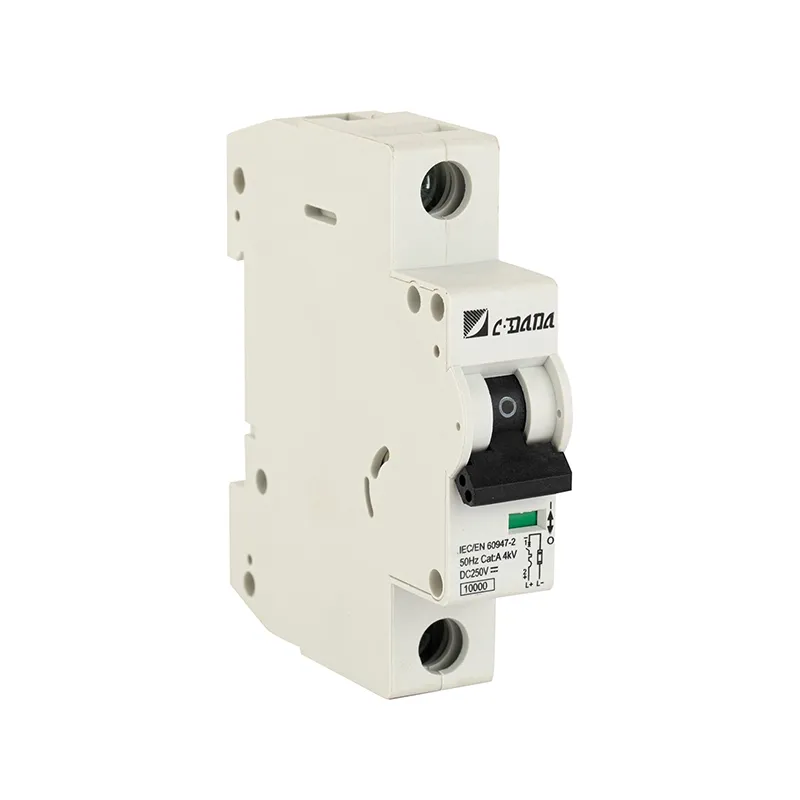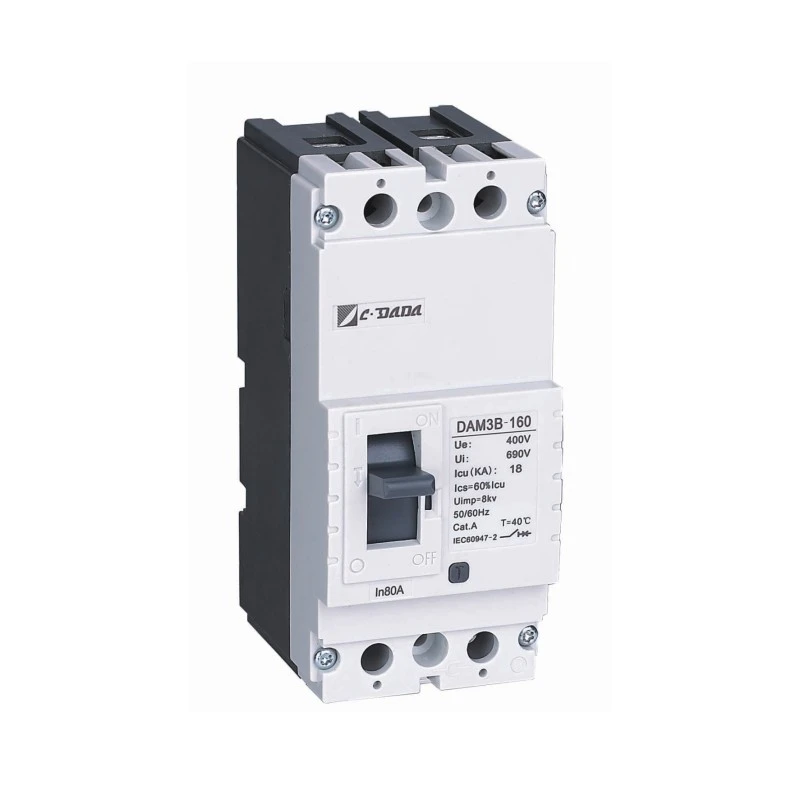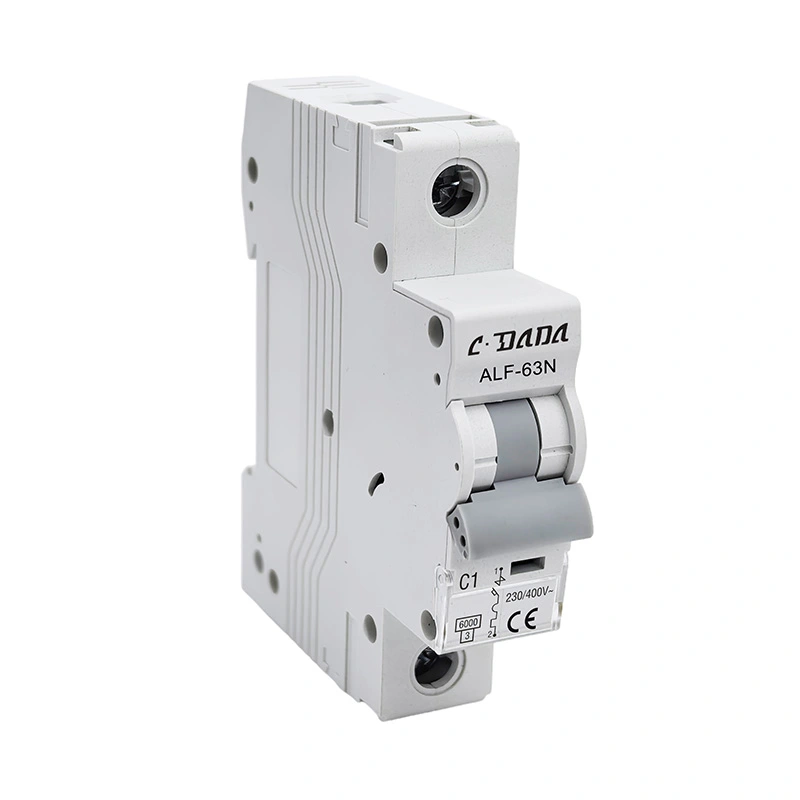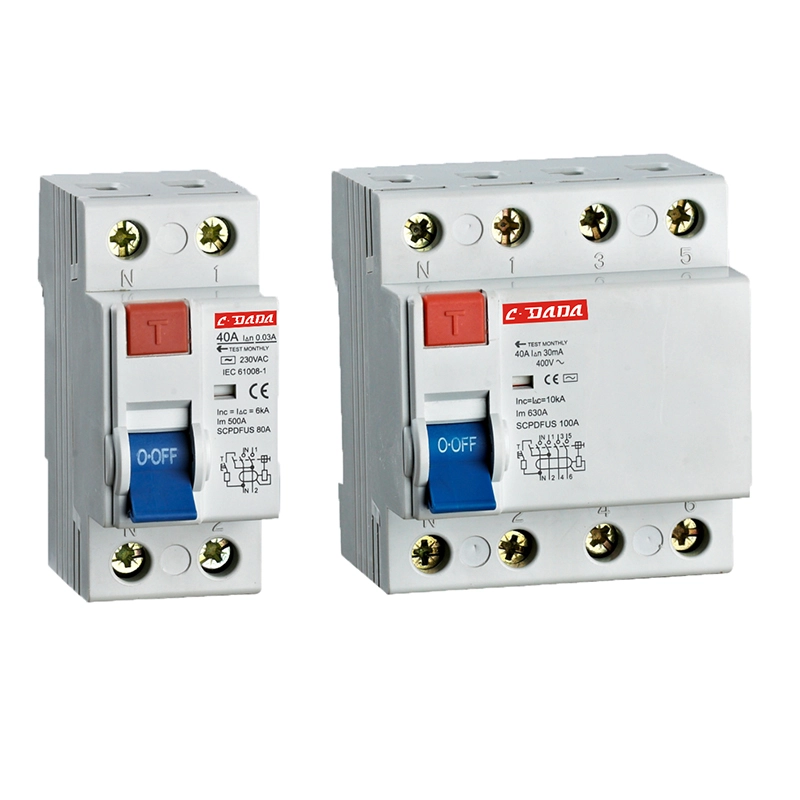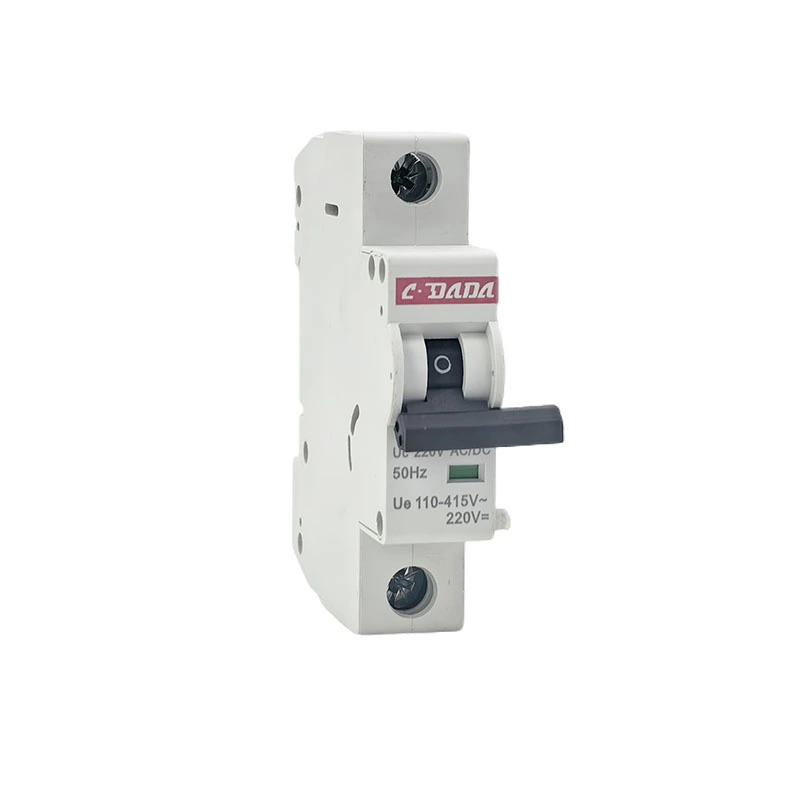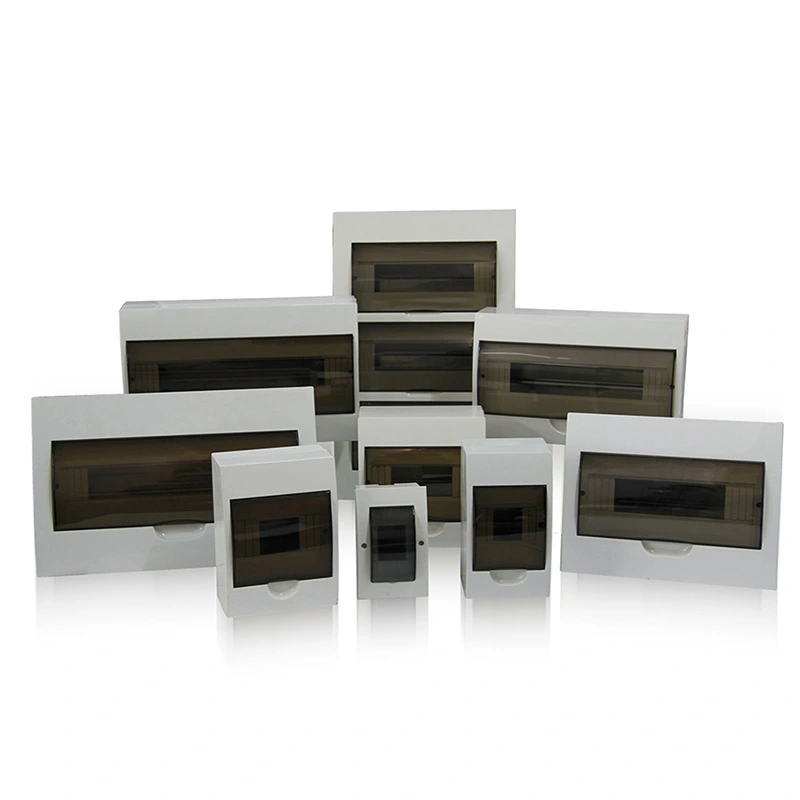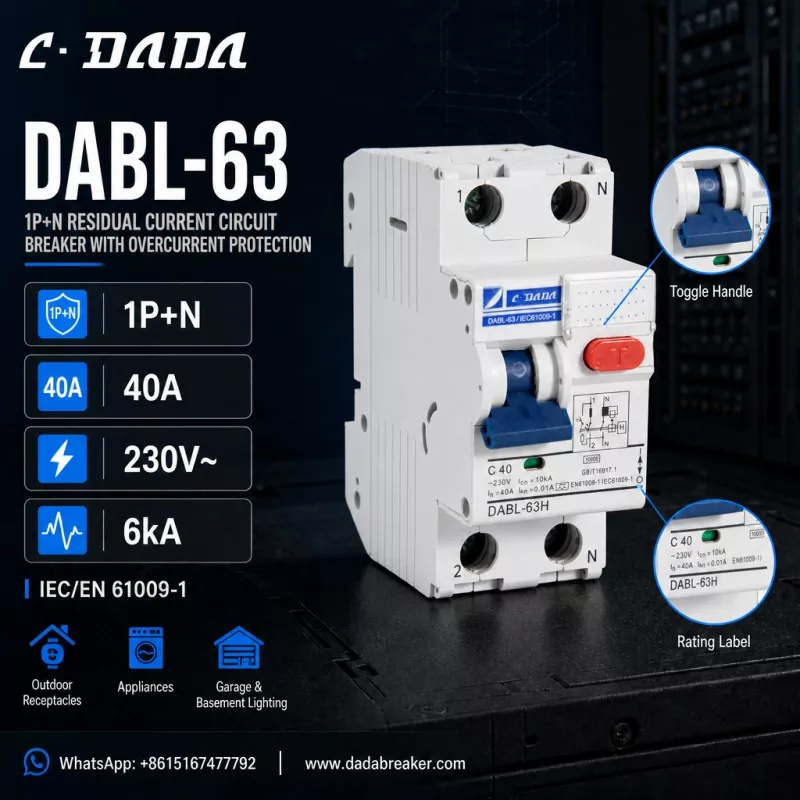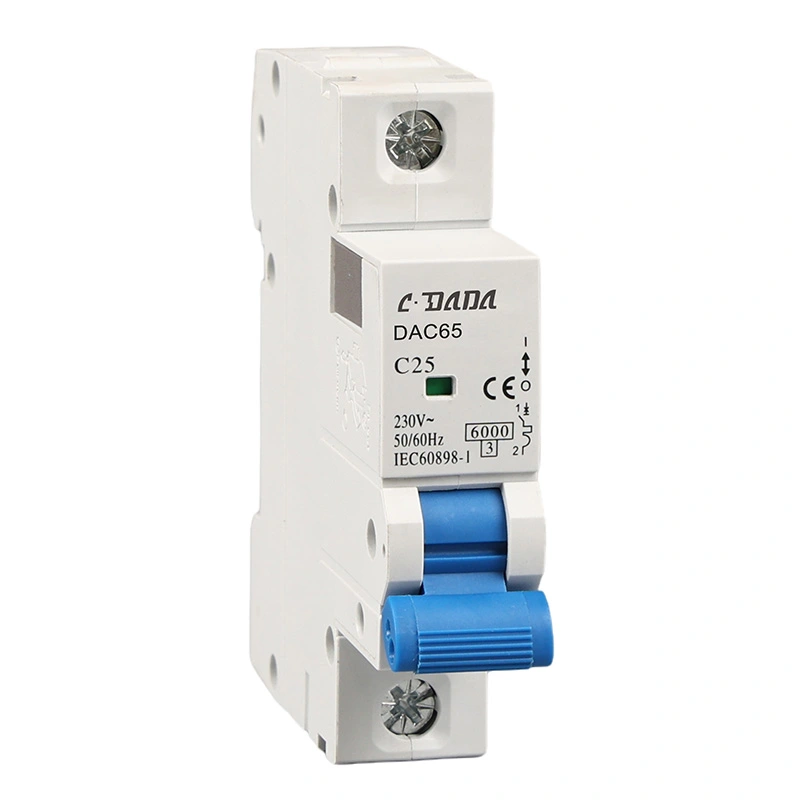
A 125 15KA Miniature Circuit Breaker is designed for electrical systems that require both high current capacity and reliable short-circuit protection. Unlike conventional low-rated MCBs, a 125A high-breaking-capacity device can address demanding distribution applications where fault currents may be considerably higher. This article explains how a 125 15KA MCB works, what its key specifications mean, where it can be used, how to select and install it correctly, and what purchasing teams should examine before placing an order. It also explores the practical design features of the DAB7-125 series from Shanghai DaDa Electric Co., Ltd., including thermal-magnetic protection, current-limiting design, large cable terminals, and a 15kA breaking capacity.
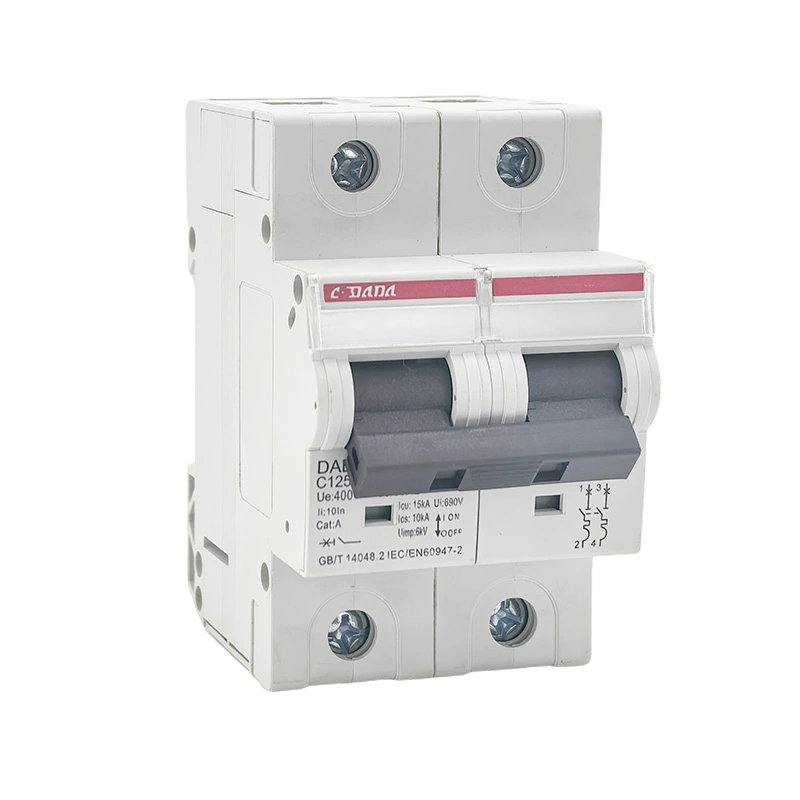
Table of Contents
- What Is a 125 15KA Miniature Circuit Breaker?
- Why Does 125A and 15KA Matter?
- How Does the Protection Mechanism Work?
- Which Features Improve Practical Performance?
- Where Can a 125 15KA MCB Be Used?
- Key Specifications to Examine
- How to Select the Right Configuration
- Installation and Maintenance Considerations
- Common Problems and Purchasing Concerns
- Why Shanghai DaDa Electric Co., Ltd.?
- Frequently Asked Questions
- Final Considerations
What Is a 125 15KA Miniature Circuit Breaker?
A 125 15KA Miniature Circuit Breaker is a high-current protective device designed to interrupt electrical circuits when abnormal current conditions occur. In the product designation, “125” generally identifies a rated current of up to 125A, while “15KA” refers to a 15kA short-circuit breaking capacity under the applicable test conditions and standard.
These two numbers describe different electrical characteristics. The 125A rating concerns the current the breaker is designed to carry under specified operating conditions. The 15kA figure relates to the level of prospective short-circuit current that the breaker can interrupt safely under its specified conditions.
This distinction is important when engineers compare circuit breakers. A higher rated current does not automatically mean a higher short-circuit breaking capacity. Both values must be evaluated against the electrical characteristics of the installation.
The DAB7-125 series from Shanghai DaDa Electric Co., Ltd. is developed for industrial and commercial power distribution applications. Its published product information identifies a 125A maximum rated current and high breaking capacity options including 15kA. The manufacturer also specifies thermal-magnetic protection and a current-limiting design.
Why Does 125A and 15KA Matter?
Electrical distribution systems can contain substantial fault energy, particularly close to transformers, distribution boards, industrial machinery and large power loads. If a protective device is exposed to a fault current above its specified interruption capability, the consequences can include equipment damage, excessive arcing and serious safety risks.
A 15kA breaking capacity provides a higher interruption margin than many standard low-breaking-capacity MCBs. The actual suitability, however, depends on the prospective short-circuit current at the installation point and the requirements of the applicable electrical standard.
| Parameter | What It Indicates | Why It Matters |
|---|---|---|
| 125A | Rated current | Determines the normal current-carrying range of the breaker. |
| 15kA | High short-circuit interruption capability | Helps the breaker interrupt specified high fault currents. |
| Thermal trip | Overload protection | Responds to sustained excessive current conditions. |
| Magnetic trip | Short-circuit protection | Provides rapid operation during severe fault conditions. |
| Current limiting | Reduction of fault energy | Can help limit the stress placed on downstream equipment. |
When designing a distribution system, the breaker should therefore be selected from the actual load calculation, conductor rating, fault-current calculation, voltage, frequency, pole configuration and coordination requirements rather than from the current rating alone.
How Does the Protection Mechanism Work?
A modern MCB generally combines two primary tripping principles: thermal protection and magnetic protection. The two mechanisms address different types of overcurrent events.
Thermal protection responds to overload conditions that persist over time. When current exceeds the intended operating level, heat causes the thermal element to operate and open the circuit.
Magnetic protection is intended for high-current fault conditions. A strong magnetic response can activate the trip mechanism rapidly when a severe short circuit occurs.
When contacts separate during fault interruption, an electrical arc may form. Internal arc-management structures help control and extinguish the arc during interruption.
Current-limiting construction can reduce the energy allowed to pass through the circuit during a short-circuit event, helping reduce stress on connected components.
The DAB7-125 product information describes a thermal and magnetic trip function, a trip-free mechanism, and a current-limiting design. These features are particularly relevant to applications where the protective device must respond consistently to both prolonged overloads and high-current faults.
Which Features Improve Practical Performance?
Electrical protection equipment is not evaluated only by its headline current rating. Mechanical construction, terminal design, contact materials, mounting method and internal arc-control arrangements can all affect practical usability.
- High breaking capacity: A 15kA specification provides a higher short-circuit interruption capability than many conventional low-breaking-capacity MCBs.
- Large cable terminals: The DAB7-125 series is designed with large terminals suitable for copper and aluminum conductors up to 35mm² according to the manufacturer's published information.
- Trip-free mechanism: The breaker can maintain its protective function even when the operating mechanism is being held in the ON position.
- Positive contact indication: A clear indication of contact status can make inspection and maintenance easier.
- Thermal-magnetic operation: Different overcurrent conditions can be addressed through complementary trip mechanisms.
- DIN-rail mounting: Modular mounting simplifies installation within compatible distribution equipment.
- Flame-retardant enclosure: The published DAB7-125 information specifies a PA66 flame-retardant housing material.
These details matter to distributors and system integrators because installation efficiency and serviceability can influence the total operating experience, not just the initial purchase price.
Where Can a 125 15KA MCB Be Used?
A 125A high-breaking-capacity MCB can be considered for electrical distribution systems where the circuit current and fault level fall within the device's specified operating range. Typical application environments can include industrial facilities, commercial buildings, equipment distribution panels and other higher-current circuits.
| Application | Typical Requirement | Potential Benefit |
|---|---|---|
| Industrial distribution | Higher current loads and demanding fault conditions | High current capacity with short-circuit protection |
| Commercial buildings | Reliable distribution protection | Compact modular protection for distribution circuits |
| Machinery systems | Protection for electrical equipment and feeders | Thermal and magnetic overcurrent response |
| Distribution panels | Space-efficient protective devices | DIN-rail installation and modular construction |
| Power-intensive equipment | Higher circuit current | Up to 125A rated-current configuration depending on the selected model |
Application suitability must always be confirmed against the complete electrical design. Voltage, frequency, prospective fault current, conductor size, ambient temperature, pole configuration and applicable installation rules can change the appropriate breaker selection.
Key Specifications to Examine
Buyers often focus on “125A” and “15kA” because they are easy to understand. However, professional procurement requires a broader specification review.
| Specification | Purchasing Question |
|---|---|
| Rated current | Does the selected rating match the calculated circuit load and conductor capacity? |
| Breaking capacity | Is the specified 15kA capacity suitable for the prospective fault current? |
| Rated voltage | Does the breaker match the system voltage and distribution arrangement? |
| Number of poles | Does the circuit require 1P, 2P, 3P, 4P or another configuration? |
| Trip curve | Is the selected release characteristic compatible with the connected load? |
| Applicable standard | Does the product meet the standard required for the target market and installation? |
| Terminal capacity | Can the terminals safely accommodate the specified conductor? |
| Installation method | Is DIN-rail mounting or another mounting arrangement required? |
For example, IEC 60947-2 and IEC/EN 60898-1 use different classifications and testing frameworks for circuit breakers. Published manufacturer data can therefore contain both Icu and Icn terminology depending on the standard and product category. A buyer should verify exactly which rating applies at the voltage and operating conditions of the intended installation.
How to Select the Right Configuration
Choosing a 125 15KA Miniature Circuit Breaker should begin with the electrical system rather than the product catalog. A simple selection process can reduce the risk of mismatching the breaker with the circuit.
- Determine the design current. Calculate the expected continuous and intermittent load current.
- Check the conductor rating. The protective device should be coordinated with the cable's allowable current under the actual installation conditions.
- Determine prospective short-circuit current. The selected breaking capacity should be adequate for the fault level at the installation point.
- Confirm voltage and frequency. Ensure the breaker is rated for the electrical system.
- Select the pole arrangement. Consider the requirements for phase and neutral conductors.
- Review trip characteristics. The trip curve should be suitable for the connected load and expected inrush conditions.
- Confirm standards and certifications. Check the requirements of the target market, project specification and local electrical regulations.
- Verify physical compatibility. Confirm dimensions, terminal size, DIN-rail compatibility and panel spacing.
Installation and Maintenance Considerations
Correct installation is essential for any high-current protective device. Even a well-designed circuit breaker cannot compensate for incorrectly sized conductors, loose terminals, unsuitable enclosures or improper installation practices.
- Verify the breaker model and rating before installation.
- Isolate the electrical supply and follow the applicable safety procedure.
- Confirm that the conductor cross-section is compatible with the terminal.
- Prepare conductors correctly and avoid damaged or improperly stripped cable ends.
- Tighten terminals according to the manufacturer's specified requirements.
- Ensure the breaker is securely mounted on the compatible DIN rail.
- Check that the enclosure provides appropriate protection and clearance.
- Inspect terminals periodically for signs of overheating, discoloration or mechanical looseness.
- Test the protective system according to the maintenance requirements of the installation.
Maintenance schedules should reflect the environment and duty cycle. Industrial installations with high loads, frequent switching, dust, vibration or elevated temperatures may require more frequent inspection than lightly loaded indoor distribution systems.
Common Problems and Purchasing Concerns
Buyers of high-current MCBs frequently encounter several practical challenges. Addressing these issues before procurement can prevent delays and installation problems.
Some product listings mention only a generic “high breaking capacity.” Buyers should request the exact rating, standard, voltage and testing basis.
Selecting 125A without checking cable capacity and actual design current can create coordination problems.
Larger conductors require terminals designed to accept the required cross-sectional area. Terminal compatibility should be confirmed before purchase.
International buyers often need technical specifications, certifications, drawings and product information for project approval.
A professional supplier should be able to provide clear product data and help buyers understand the differences between rated current, breaking capacity, trip characteristics and installation requirements.
Why Shanghai DaDa Electric Co., Ltd.?
Shanghai DaDa Electric Co., Ltd. develops and manufactures circuit protection products for industrial and commercial electrical applications. Its published product portfolio includes MCBs, MCCBs, RCBOs, RCCBs and related circuit protection equipment.
The DAB7-125 series is positioned for applications requiring higher current capacity and high short-circuit breaking capability. Published specifications include a 15kA high breaking capacity, thermal-magnetic trip function, current-limiting design, positive contact indication and terminals suitable for larger conductors. :contentReference[oaicite:1]{index=1}
The manufacturer's factory information also describes dedicated stamping, spot-welding, riveting, injection-molding and assembly workshops, supporting the production of both MCB and MCCB products. :contentReference[oaicite:2]{index=2}
For distributors, electrical wholesalers, panel builders and OEM customers, this type of manufacturing capability can be useful when consistent product supply, technical documentation and configuration support are important parts of a purchasing decision.
| Buyer Requirement | Relevant DAB7-125 Characteristic |
|---|---|
| High-current circuit protection | Rated current up to 125A |
| Higher short-circuit requirements | Up to 15kA breaking capacity according to published product information |
| Overload protection | Thermal trip function |
| Short-circuit response | Magnetic trip function |
| Larger conductors | Large cable terminals designed for conductors up to 35mm² according to manufacturer information |
| Panel installation | Modular DIN-rail mounting design |
Product specifications should always be confirmed against the latest technical documentation before final project approval, especially when the breaker will be installed in a high-fault-current environment or a regulated electrical system.
Frequently Asked Questions
15KA refers to a 15kA short-circuit breaking capacity under the applicable specified test conditions. It indicates the level of prospective short-circuit current the device is designed to interrupt according to its applicable rating and standard.
No. The selection must consider conductor capacity, load characteristics, system voltage, ambient conditions, fault current, pole configuration and applicable electrical requirements.
125A is associated with the rated current of the breaker, while 15kA refers to its short-circuit interruption capability. They describe different characteristics of the protective device.
It can be considered for suitable industrial distribution circuits when the electrical system falls within the product's specified ratings and installation requirements.
No. Breaking capacity is only one selection factor. Voltage, rated current, trip characteristics, conductor coordination, pole configuration and installation conditions must also be evaluated.
Thermal protection addresses sustained overload conditions, while magnetic protection responds rapidly to high-current fault conditions such as short circuits.
Shanghai DaDa Electric's published DAB7-125 information states that its large cable terminals are suitable for copper and aluminum cables up to 35mm². The exact conductor arrangement should always be confirmed with the current technical documentation before installation.
Buyers should request the technical datasheet, applicable standards, rated voltage, breaking-capacity data, trip characteristics, dimensional drawings, terminal information, certifications and packaging details relevant to the destination market.
Final Considerations
A 125 15KA Miniature Circuit Breaker addresses a specific combination of requirements: relatively high current capacity and enhanced short-circuit interruption capability. For engineers and purchasing teams, understanding what each rating represents is essential to making the correct technical decision.
The most important considerations extend beyond the “125A” and “15kA” figures. A complete evaluation should include rated voltage, fault current, trip characteristics, pole configuration, conductor compatibility, applicable standards, installation environment and physical dimensions.
The DAB7-125 series from Shanghai DaDa Electric Co., Ltd. combines high-current protection with thermal-magnetic operation, current-limiting design, large cable terminals and a published breaking capacity of up to 15kA. These characteristics make the product relevant to a range of industrial and commercial distribution applications when correctly matched to the electrical system.
Build a More Reliable Protection Solution
Looking for a 125 15KA Miniature Circuit Breaker for industrial distribution, commercial power systems, electrical panels or OEM projects? Shanghai DaDa Electric Co., Ltd. can provide product information and technical support for your application requirements.
Share your rated current, system voltage, pole configuration, required breaking capacity and application conditions with our team. For product specifications, project consultation or bulk purchasing requirements, contact us to discuss a suitable circuit protection solution.