Why Is a Motor Protection Circuit Breaker Essential for Reliable Motor Operation?
Electric motors are the driving force behind industrial automation, manufacturing systems, HVAC equipment, pumps, conveyors, compressors, and countless commercial applications. However, motors face various electrical risks including overloads, short circuits, phase failures, locked rotor conditions, and voltage fluctuations. Without proper protection, these issues can lead to costly downtime, equipment damage, safety hazards, and reduced operational efficiency.
This comprehensive guide explains everything you need to know about Motor Protection Circuit Breakers (MPCBs), including their working principles, benefits, selection criteria, installation considerations, applications, maintenance practices, and common mistakes to avoid. Whether you are an engineer, contractor, facility manager, or equipment manufacturer, this article will help you make informed decisions when protecting valuable motor assets.

Table of Contents
- What Is a Motor Protection Circuit Breaker?
- Why Do Electric Motors Need Protection?
- How Does a Motor Protection Circuit Breaker Work?
- Key Components of an MPCB
- Major Benefits of Using MPCBs
- Motor Protection Circuit Breaker vs Traditional Protection Devices
- Common Industrial Applications
- How to Select the Right Motor Protection Circuit Breaker
- Installation Best Practices
- Maintenance and Troubleshooting
- Common Mistakes to Avoid
- Future Trends in Motor Protection Technology
- Frequently Asked Questions
- Conclusion
What Is a Motor Protection Circuit Breaker?
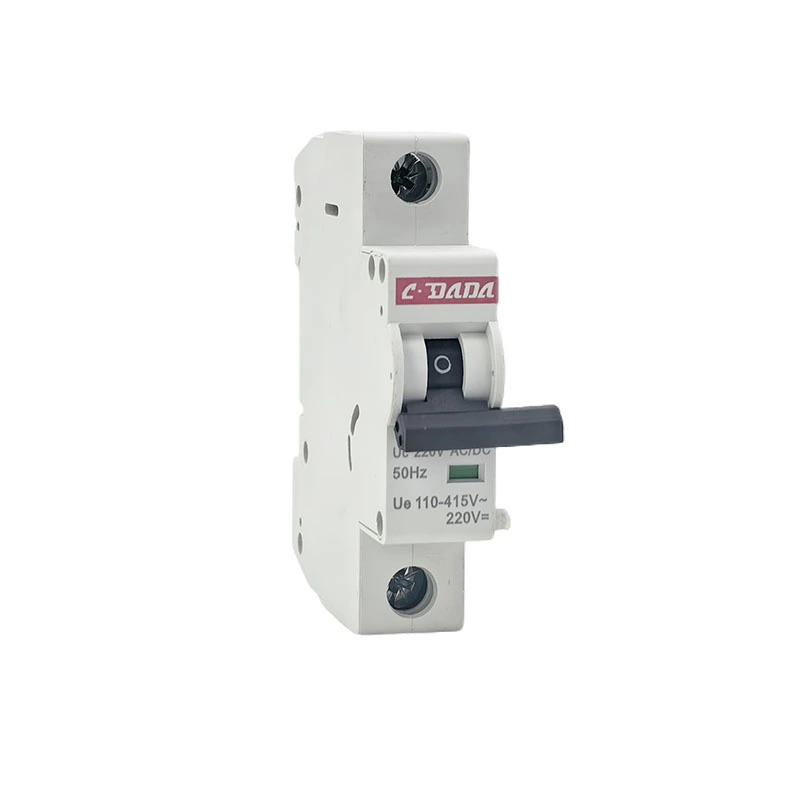
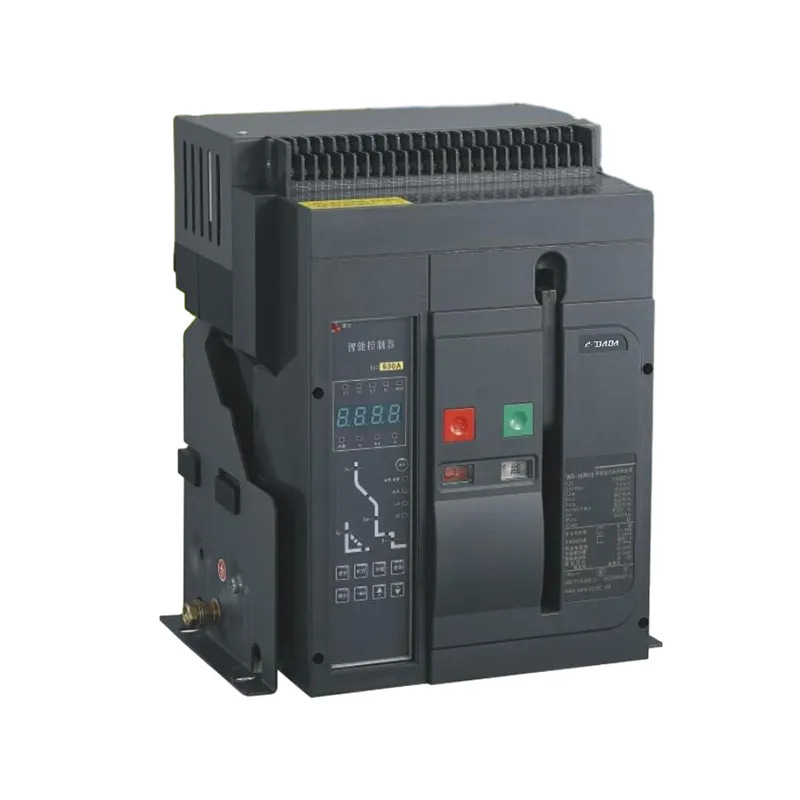
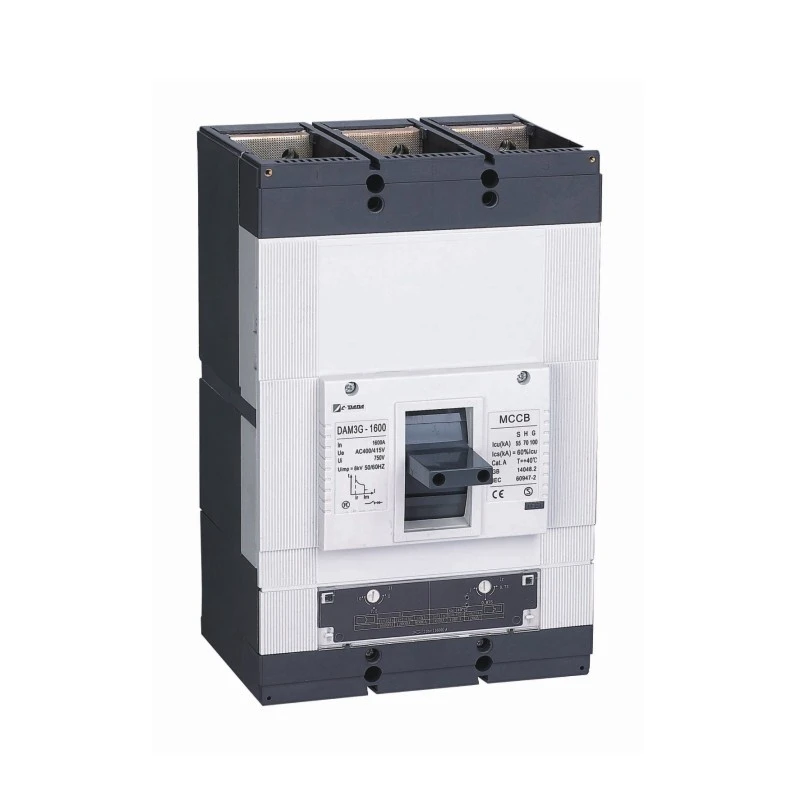
A Motor Protection Circuit Breaker (MPCB) is a specialized electrical protection device designed specifically to safeguard electric motors from abnormal operating conditions. Unlike standard circuit breakers, an MPCB combines overload protection, short-circuit protection, and phase-loss protection into a single compact device.
Its primary purpose is to detect harmful electrical conditions before they damage motor windings, insulation systems, bearings, and connected equipment. MPCBs are commonly installed in motor control centers, industrial control panels, manufacturing facilities, commercial buildings, and automation systems.
By integrating multiple protective functions into one device, MPCBs simplify electrical system design while improving reliability and safety.
Why Do Electric Motors Need Protection?
Electric motors represent a significant investment for businesses. Even a single motor failure can result in production delays, expensive repairs, and operational disruptions.
Common motor threats include:
- Overload conditions
- Short circuits
- Phase imbalance
- Phase loss
- Locked rotor situations
- Undervoltage events
- Excessive starting currents
- Mechanical jams
- Wiring faults
- Insulation breakdown
Without adequate protection, these issues can generate excessive heat that damages motor windings and significantly shortens equipment lifespan.
| Motor Fault | Potential Consequence |
|---|---|
| Overload | Motor overheating |
| Short Circuit | Severe equipment damage |
| Phase Failure | Motor burnout |
| Locked Rotor | Extreme current draw |
| Voltage Imbalance | Reduced efficiency and lifespan |
How Does a Motor Protection Circuit Breaker Work?
An MPCB continuously monitors electrical current flowing through a motor circuit. When abnormal conditions occur, the breaker automatically disconnects power before damage can happen.
The device generally employs two protection mechanisms:
- Thermal Protection: Responds to prolonged overload currents.
- Magnetic Protection: Responds instantly to short-circuit faults.
Thermal elements react to heat generated by excessive current, while magnetic elements detect sudden current spikes and trip almost instantly.
This dual-protection approach ensures both gradual and sudden electrical faults are effectively addressed.
Key Components of an MPCB
Modern motor protection circuit breakers contain several integrated components:
- Thermal overload relay mechanism
- Magnetic short-circuit trip unit
- Current adjustment dial
- Manual ON/OFF switch
- Trip indicator
- Arc extinguishing chamber
- Connection terminals
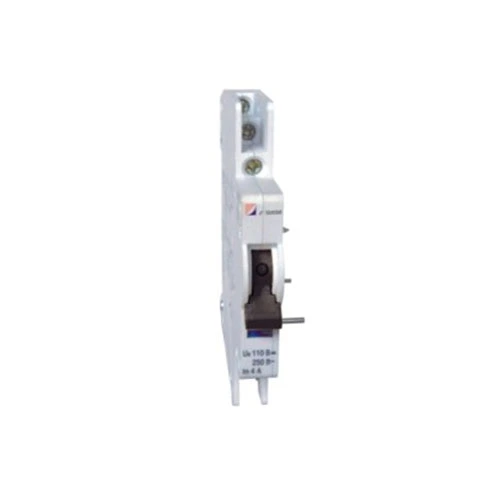
- Auxiliary contact compatibility
Together, these components provide comprehensive motor protection while maintaining ease of operation and maintenance.
Major Benefits of Using MPCBs
Businesses across industries choose MPCBs because they offer significant operational advantages.
| Benefit | Business Value |
|---|---|
| Equipment Protection | Reduces motor failures |
| Lower Downtime | Improves productivity |
| Compact Design | Saves panel space |
| Easy Adjustment | Flexible motor matching |
| Enhanced Safety | Protects personnel and assets |
| Long Service Life | Reduces maintenance costs |
The financial benefits often outweigh the initial investment by preventing costly motor replacements and production interruptions.
Motor Protection Circuit Breaker vs Traditional Protection Devices
| Feature | MPCB | Fuse | Standard Circuit Breaker |
|---|---|---|---|
| Overload Protection | Yes | No | Limited |
| Short Circuit Protection | Yes | Yes | Yes |
| Phase Loss Protection | Yes | No | No |
| Resettable | Yes | No | Yes |
| Motor Specific Design | Yes | No | No |
This comparison clearly shows why dedicated motor protection devices are preferred for critical motor applications.
Common Industrial Applications
Motor Protection Circuit Breakers are used across numerous industries:
- Manufacturing plants
- Water treatment facilities
- HVAC systems
- Mining operations
- Oil and gas facilities
- Food processing plants
- Packaging machinery
- Conveyor systems
- Pumping stations
- Commercial buildings
Anywhere electric motors play a critical operational role, MPCBs help ensure reliability and continuity.
How to Select the Right Motor Protection Circuit Breaker
Choosing the correct MPCB requires careful evaluation of several factors.
| Selection Factor | Consideration |
|---|---|
| Motor Rated Current | Match adjustment range |
| Motor Power | Determine breaker capacity |
| Voltage Rating | Ensure compatibility |
| Breaking Capacity | Match fault current level |
| Environmental Conditions | Temperature and humidity |
| Application Type | Starting frequency and load profile |
Proper sizing prevents nuisance tripping while maintaining effective protection.
Installation Best Practices
- Follow manufacturer guidelines.
- Verify wiring connections.
- Ensure proper ventilation.
- Use recommended cable sizes.
- Perform insulation testing.
- Check torque specifications.
- Label all circuits clearly.
- Conduct commissioning tests.
Professional installation significantly improves operational reliability and safety performance.
Maintenance and Troubleshooting
Routine maintenance helps maximize breaker performance and longevity.
- Inspect terminals regularly.
- Check for overheating signs.
- Verify trip settings.
- Test operation periodically.
- Remove dust accumulation.
- Monitor nuisance trips.
- Review load conditions.
Early detection of potential issues prevents unexpected failures and costly downtime.
Common Mistakes to Avoid
- Oversizing the breaker
- Ignoring motor nameplate data
- Incorrect current settings
- Poor terminal connections
- Lack of maintenance
- Using standard breakers instead of MPCBs
- Ignoring environmental conditions
Avoiding these mistakes can dramatically improve motor protection effectiveness.
Future Trends in Motor Protection Technology
Industrial automation continues to drive innovation in motor protection systems.
Emerging developments include:
- Smart monitoring integration
- Industrial IoT connectivity
- Predictive maintenance capabilities
- Remote diagnostics
- Energy efficiency analytics
- Cloud-based monitoring platforms
- Enhanced digital protection algorithms
These technologies provide greater visibility into motor health and operational performance.
Frequently Asked Questions
Q1: What is the primary purpose of a Motor Protection Circuit Breaker?
A Motor Protection Circuit Breaker protects motors from overloads, short circuits, and phase failures.
Q2: Can an MPCB replace a fuse?
In many applications, yes. MPCBs offer resettable protection and additional motor-specific features.
Q3: How do I determine the correct MPCB size?
Use the motor's rated current and operating characteristics shown on the nameplate.
Q4: Are MPCBs suitable for three-phase motors?
Yes. Most industrial MPCBs are specifically designed for three-phase motor protection.
Q5: How often should an MPCB be inspected?
Inspection frequency depends on operating conditions, but annual inspections are generally recommended.
Q6: Can MPCBs help reduce maintenance costs?
Yes. By preventing motor damage and unexpected failures, MPCBs can significantly lower maintenance expenses.
Conclusion
A Motor Protection Circuit Breaker is one of the most important components in any motor-driven electrical system. It provides comprehensive protection against overloads, short circuits, phase failures, and other potentially damaging conditions while improving operational reliability and equipment lifespan.
Whether you operate a manufacturing facility, commercial building, water treatment plant, or industrial automation system, investing in the right motor protection solution helps safeguard critical assets, reduce downtime, and enhance workplace safety.
Shanghai DaDa Electric Co., Ltd. is committed to providing reliable circuit protection products designed to meet the demanding requirements of industrial and commercial applications worldwide.
Contact us today to discuss your project requirements, receive technical support, and discover the ideal motor protection solution for your business.
Related News
- What Makes a 125 15KA Miniature Circuit Breaker Suitable for High-Current Protection?
- How Does a 6kA AC Miniature Circuit Breaker Improve Circuit Protection?
- A Practical Guide to Residual Current Circuit Breakers with Over current Protection
- Why Is DC Circuit Protection Becoming Critical for the Future of Power Systems?
- A Practical Guide to Molded Case Circuit Breakers
- Why Does Miniature Circuit Breaker DPN 6KA Matter for Modern Electrical Protection?
Leave me a message