What Is a Distribution Box and Why Does It Matter in Modern Electrical Systems?
A distribution box is one of the most critical components in any electrical installation, whether residential, commercial, or industrial. It serves as the central hub that distributes electrical power safely and efficiently across multiple circuits while protecting systems from overloads, short circuits, and electrical faults. This article provides a deep and practical understanding of distribution boxes, including their structure, working principles, types, selection criteria, installation considerations, safety standards, and maintenance practices. It also addresses common user concerns and real-world pain points to help engineers, contractors, and facility managers make informed decisions.
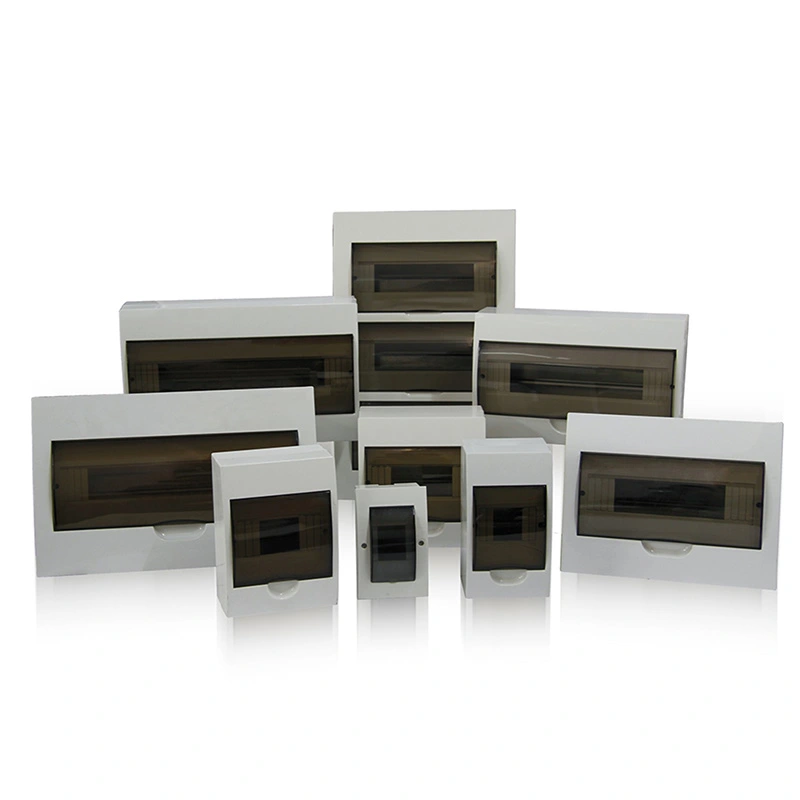
Table of Contents
- 1. Introduction to Distribution Boxes
- 2. Why Distribution Boxes Are Essential
- 3. Internal Structure and Components
- 4. Types of Distribution Boxes
- 5. How to Choose the Right Distribution Box
- 6. Installation Best Practices
- 7. Safety Standards and Protection Features
- 8. Common Problems and Troubleshooting
- 9. Maintenance and Lifespan Extension
- 10. Technical Comparison Table
- 11. Frequently Asked Questions
- 12. Conclusion and Industry Insights
1. Introduction to Distribution Boxes
A distribution box (often called a DB box, breaker panel, or electrical panel board) is a fundamental part of any electrical distribution system. It receives incoming power from the main supply and redistributes it into multiple outgoing circuits. Each circuit is typically protected by a circuit breaker or fuse to ensure electrical safety.
In modern infrastructure, electrical loads are becoming more complex due to increasing use of appliances, automation systems, and industrial machinery. Without a properly designed distribution box, electrical systems would face frequent overloads, inefficiencies, and safety hazards.
2. Why Distribution Boxes Are Essential
Distribution boxes are not just passive enclosures; they actively ensure electrical stability and safety. Their importance can be understood from several perspectives:
- Safety Protection: Prevents electrical overload, short circuits, and fire hazards.
- Power Management: Distributes electricity evenly across circuits.
- System Organization: Keeps wiring structured and manageable.
- Fault Isolation: Allows specific circuits to be shut down without affecting the entire system.
- Scalability: Supports future expansion of electrical loads.
In residential buildings, a distribution box ensures that lighting, air conditioning, and appliances operate safely. In industrial environments, it becomes even more critical due to high-power machinery and continuous operations.
3. Internal Structure and Components
A typical distribution box consists of several key components that work together to ensure safe and efficient power distribution.
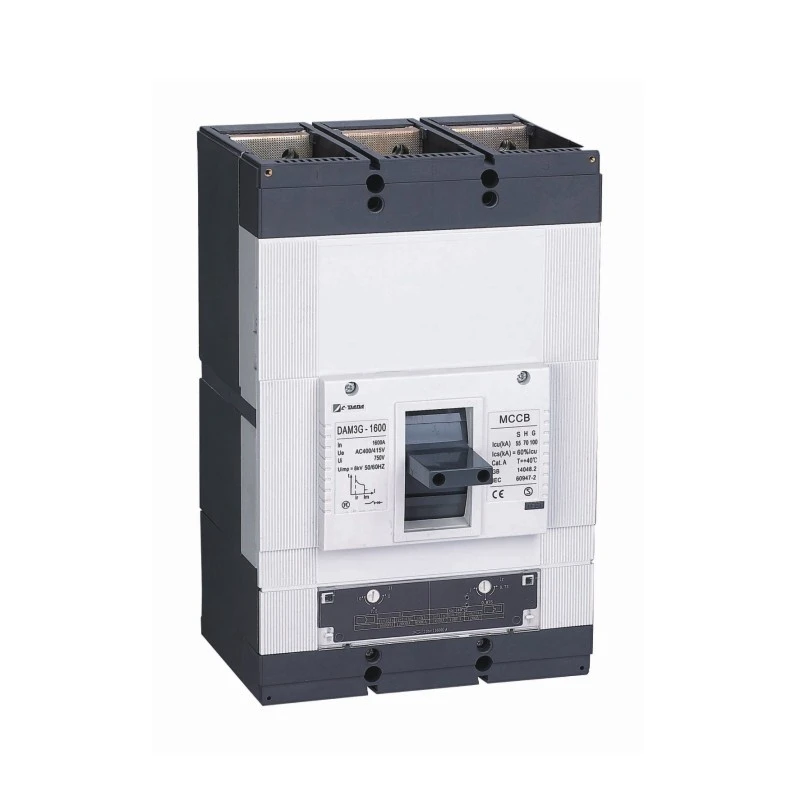
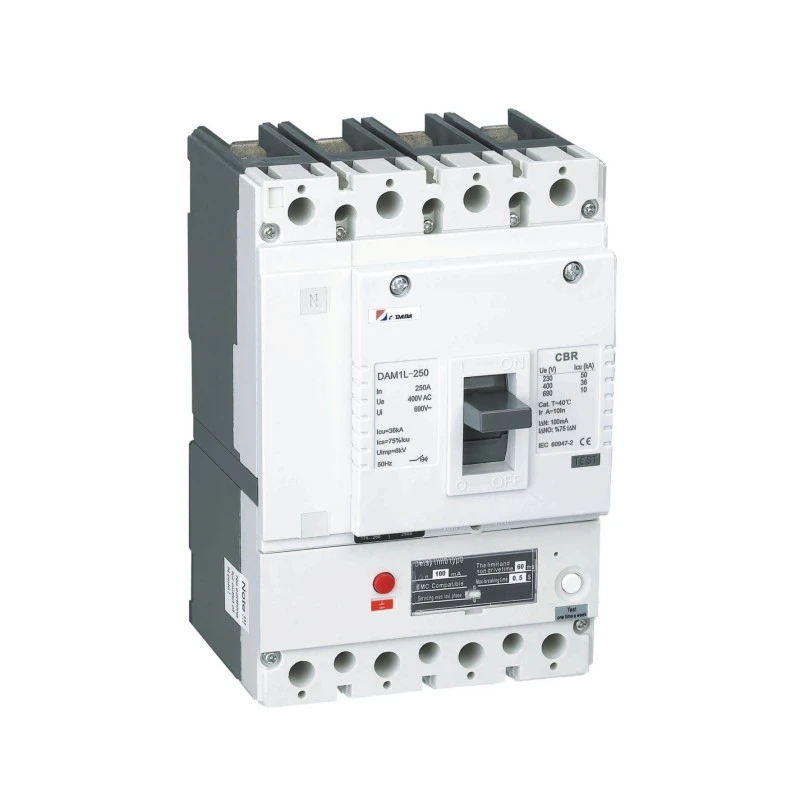
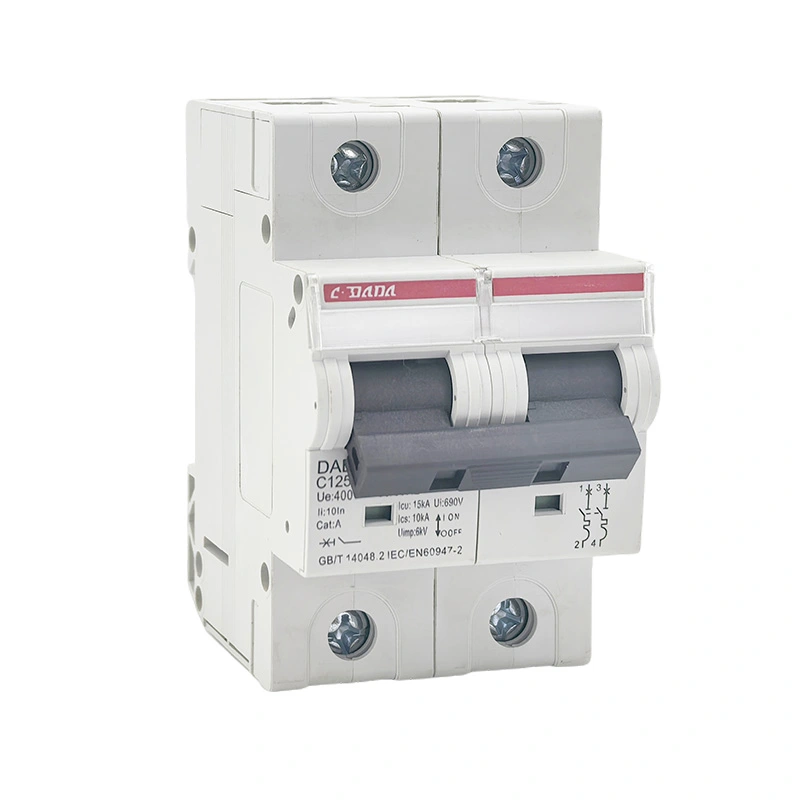
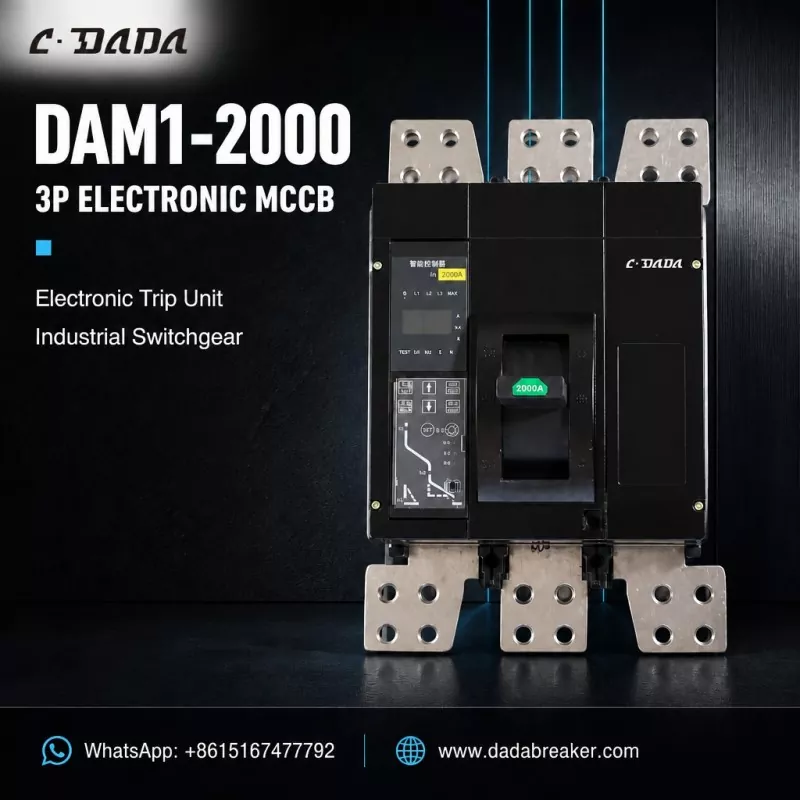
- Main Circuit Breaker: Controls the entire system and provides primary protection.
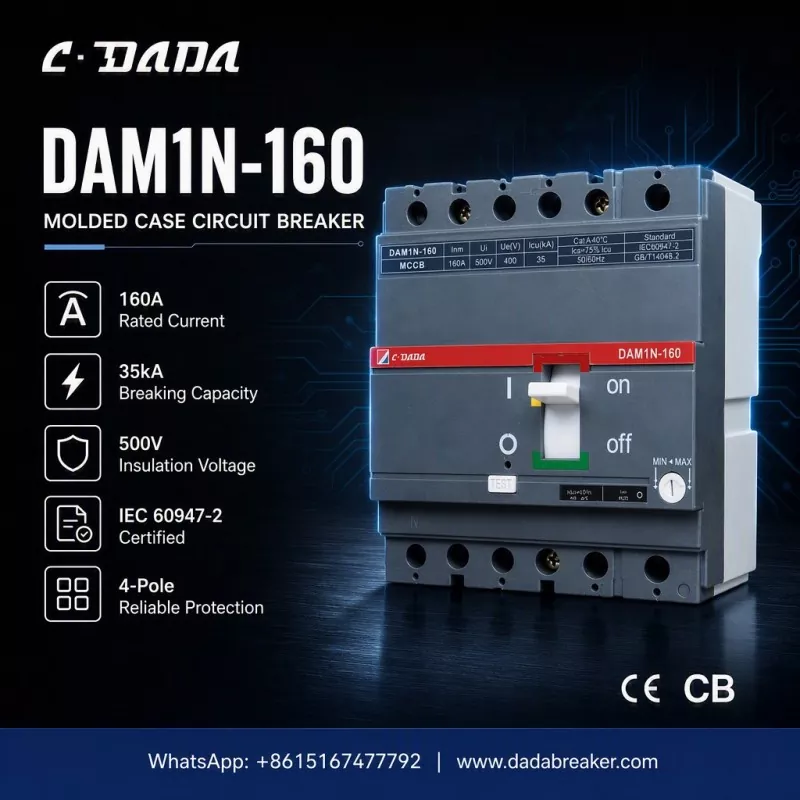
- Branch Circuit Breakers: Protect individual circuits from overloads.
- Busbars: Conduct electricity and distribute power internally.
- Neutral and Earth Bars: Ensure proper grounding and safety.
- Enclosure: Protective casing made of metal or flame-retardant plastic.
- Wiring Terminals: Connection points for incoming and outgoing cables.
Each component plays a vital role in ensuring the system remains stable under varying electrical loads.
4. Types of Distribution Boxes
Distribution boxes come in various types depending on application, voltage level, and installation environment.
- Main Distribution Board (MDB): Primary distribution point receiving power from the utility.
- Sub Distribution Board (SDB): Distributes power to smaller zones or departments.
- Final Distribution Board: Directly supplies power to end-user devices.
- Industrial Distribution Box: Designed for heavy-duty machinery and high load environments.
- Residential Distribution Box: Used in homes and small buildings.
Each type is designed with different capacity ratings and safety requirements to match specific electrical demands.
5. How to Choose the Right Distribution Box
Selecting the right distribution box is crucial for safety and performance. Several factors must be considered:
- Load Capacity: Ensure the box can handle total electrical load.
- Number of Circuits: Choose based on current and future expansion needs.
- Material Quality: Metal enclosures for industrial use, plastic for residential.
- Ingress Protection (IP Rating): Determines resistance to dust and water.
- Compliance Standards: Must meet international electrical safety standards.
Poor selection often leads to overheating, frequent tripping, and system failures.
6. Installation Best Practices
Proper installation ensures long-term reliability and safety of a distribution box. Key practices include:
- Install in a dry, ventilated, and accessible location.
- Ensure proper grounding and earthing connections.
- Use correctly rated circuit breakers for each load.
- Label all circuits clearly for easy identification.
- Keep wiring organized to avoid overheating and confusion.
Professional installation is strongly recommended for industrial and commercial systems.
7. Safety Standards and Protection Features
Modern distribution boxes incorporate multiple safety features to protect both equipment and users.
- Overload protection to prevent excessive current flow.
- Short circuit protection for sudden fault conditions.
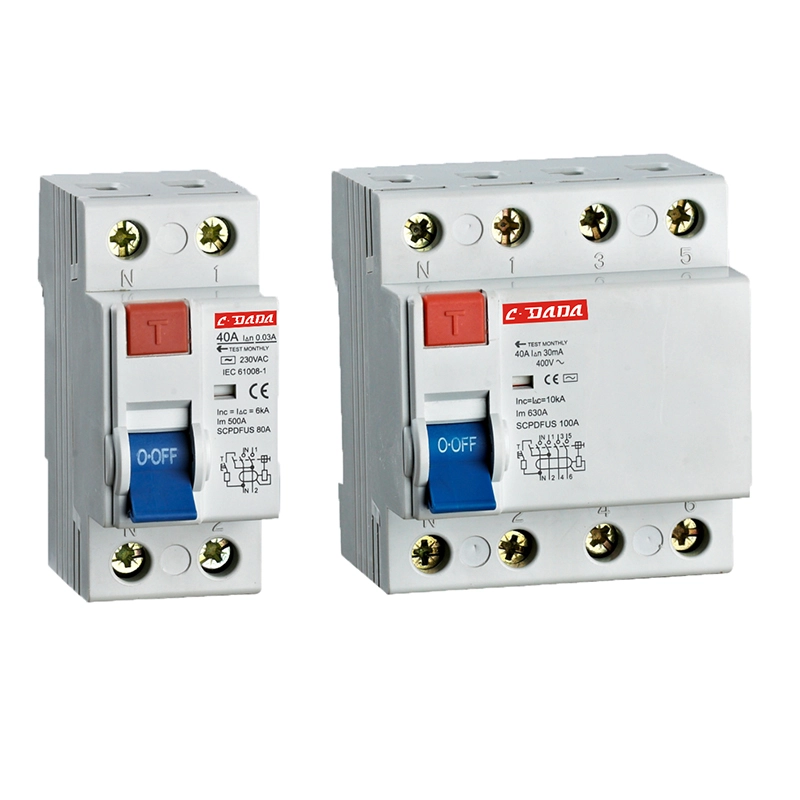
- Residual current devices (RCD) for leakage detection.
- Arc fault protection in advanced systems.
Compliance with IEC and national electrical codes ensures safe operation across different environments.
8. Common Problems and Troubleshooting
Even well-installed distribution boxes can experience issues over time. Common problems include:
- Frequent Tripping: Usually caused by overload or faulty appliances.
- Overheating: Often due to loose connections or undersized wiring.
- Corrosion: Happens in humid environments without proper enclosure protection.
- Breaker Failure: Aging components may fail to respond correctly.
Routine inspection helps identify these issues early and prevents system downtime.
9. Maintenance and Lifespan Extension
Proper maintenance significantly extends the lifespan of a distribution box and improves safety.
- Regularly inspect wiring connections for looseness.
- Clean internal components to prevent dust accumulation.
- Test circuit breakers periodically.
- Replace damaged or outdated components immediately.
- Monitor load distribution to avoid imbalance.
A well-maintained system can operate efficiently for over a decade depending on usage conditions.
10. Technical Comparison Table
| Feature | Residential Distribution Box | Industrial Distribution Box |
|---|---|---|
| Load Capacity | Low to Medium | High to Very High |
| Material | Plastic / Light Metal | Heavy-duty Metal |
| Protection Level | Basic Protection | Advanced Multi-layer Protection |
| Applications | Homes, Apartments | Factories, Plants, Commercial Facilities |
| Maintenance Frequency | Low | High |
11. Frequently Asked Questions
Q1: What is the main function of a distribution box?
It distributes electrical power safely into multiple circuits while protecting systems from overloads and faults.
Q2: How long does a distribution box last?
With proper maintenance, it can last 10–20 years depending on environmental conditions and usage.
Q3: Can a distribution box be upgraded?
Yes, additional circuits and upgraded breakers can be installed if the enclosure supports expansion.
Q4: What causes a distribution box to trip frequently?
Overloaded circuits, faulty appliances, or wiring issues are common causes.
Q5: Is professional installation necessary?
For safety and compliance reasons, professional installation is highly recommended, especially for industrial systems.
12. Conclusion and Industry Insights
A distribution box is more than just an electrical enclosure—it is the core of any safe and efficient power distribution system. As electrical demand continues to grow across residential, commercial, and industrial sectors, the importance of reliable distribution systems becomes even more critical.
Proper selection, installation, and maintenance can significantly reduce operational risks while improving energy efficiency. Investing in high-quality distribution boxes ensures long-term safety and stability for any electrical infrastructure.
In modern engineering practice, attention to detail in distribution systems directly translates into operational reliability and safety assurance.
This article is brought to you with industry insights from Shanghai DaDa Electric Co., Ltd., a company committed to delivering reliable and high-performance electrical distribution solutions for global markets.
If you are looking for professional-grade distribution box solutions tailored to your project requirements, contact us today to discuss specifications, customization options, and bulk supply opportunities. Our engineering team is ready to support your electrical system needs with precision and reliability.
Related News
- How Does an NSX Moulded Case Circuit Breaker Protect Electrical Distribution Systems?
- What Is a Type A Residual Current Circuit Breaker and How Does It Protect Electrical Systems?
- What Makes an MCCB with Leakage Protection Important for Safer Power Distribution?
- What Makes a 125 15KA Miniature Circuit Breaker Suitable for High-Current Protection?
- How Does a 6kA AC Miniature Circuit Breaker Improve Circuit Protection?
- A Practical Guide to Residual Current Circuit Breakers with Over current Protection
Leave me a message