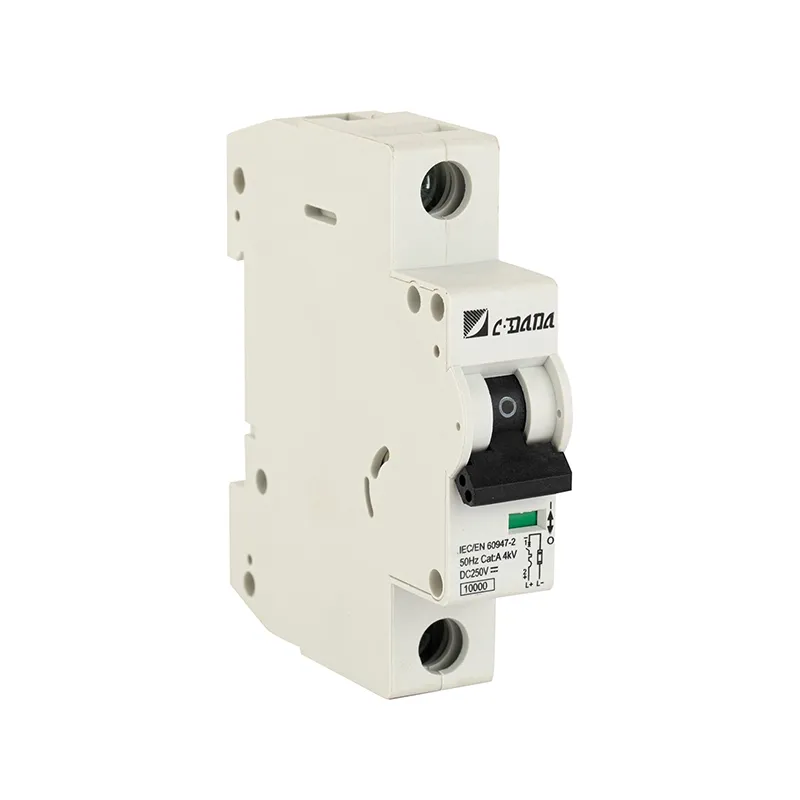
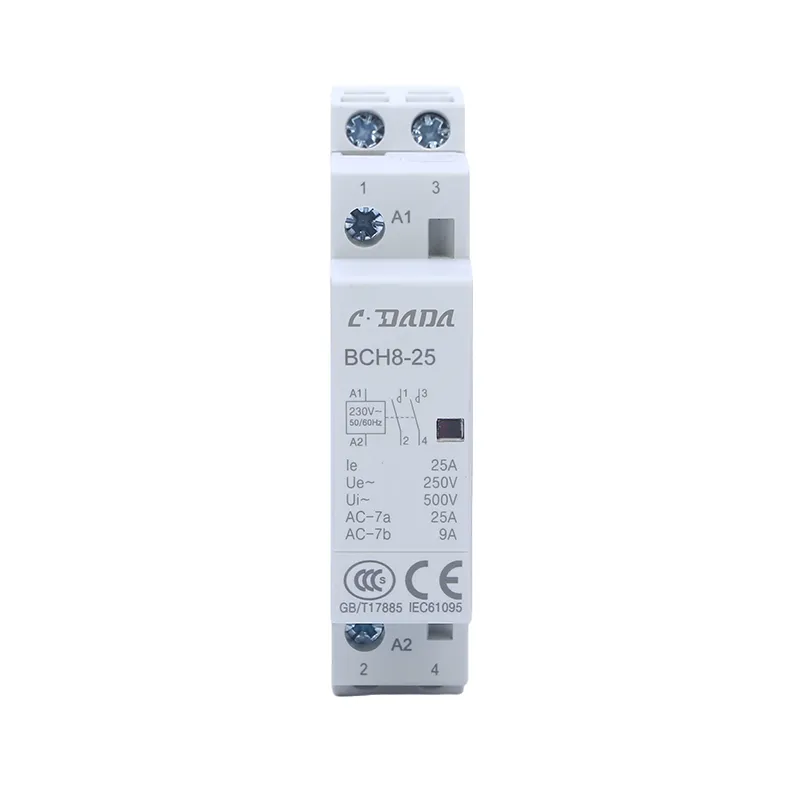
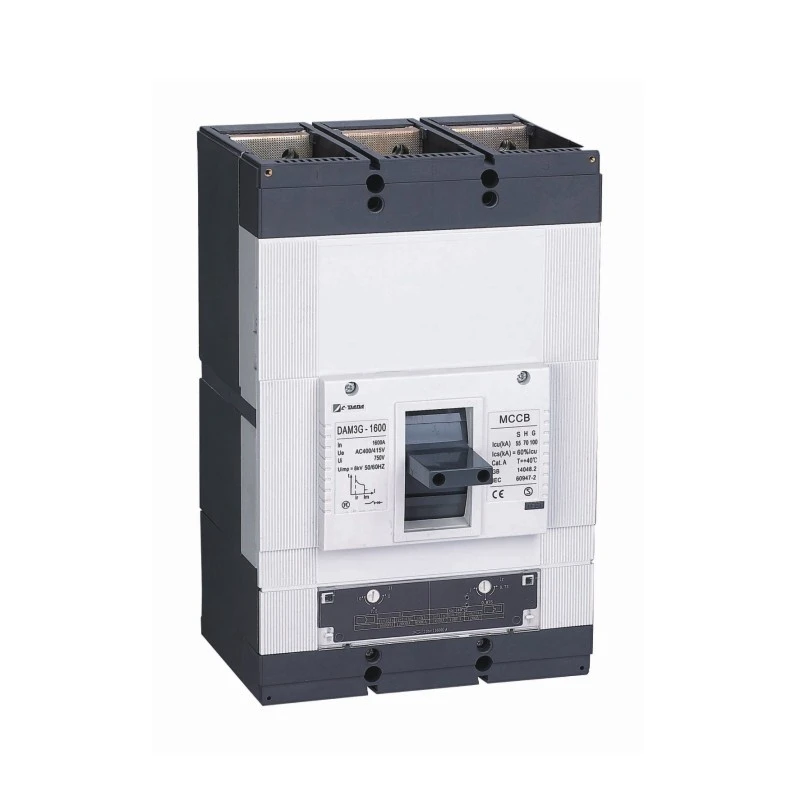
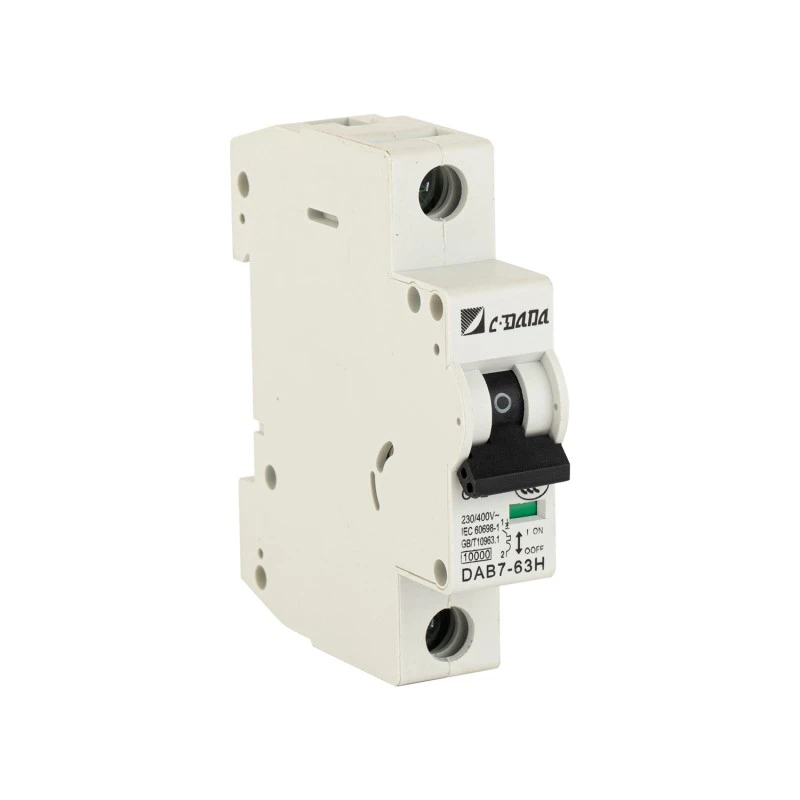
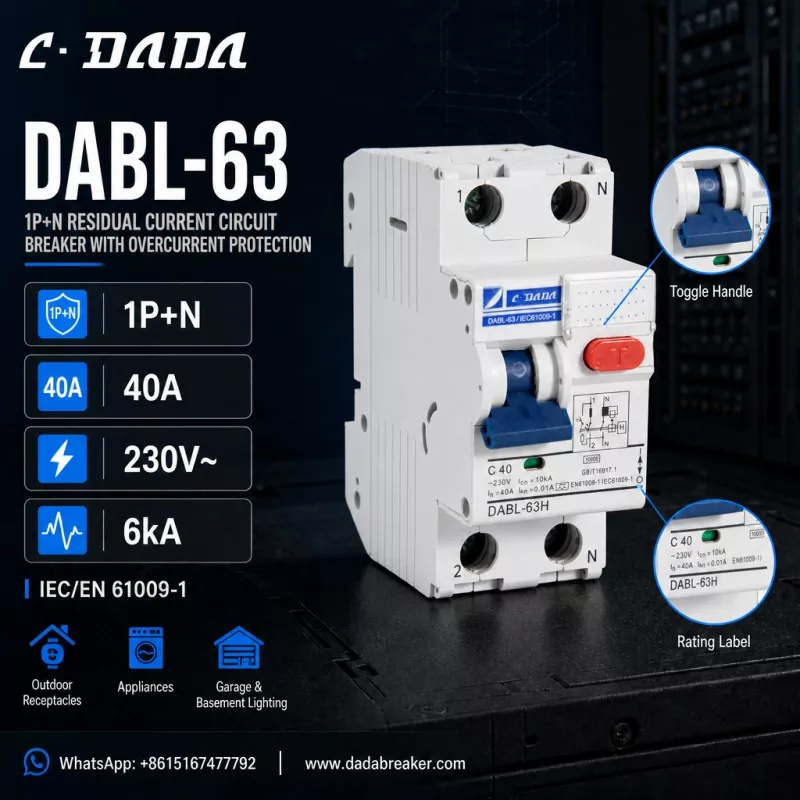
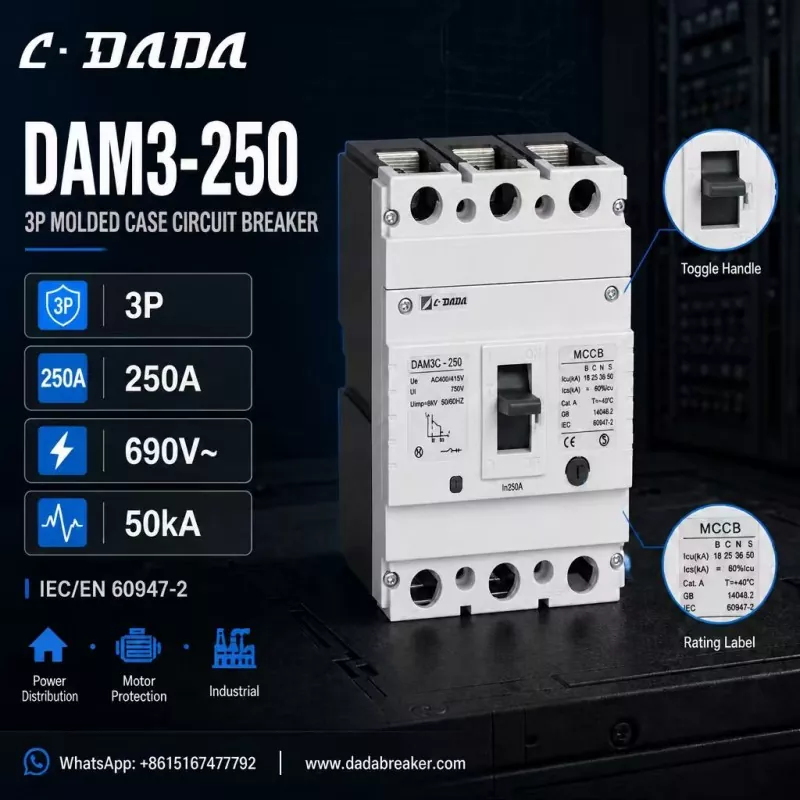
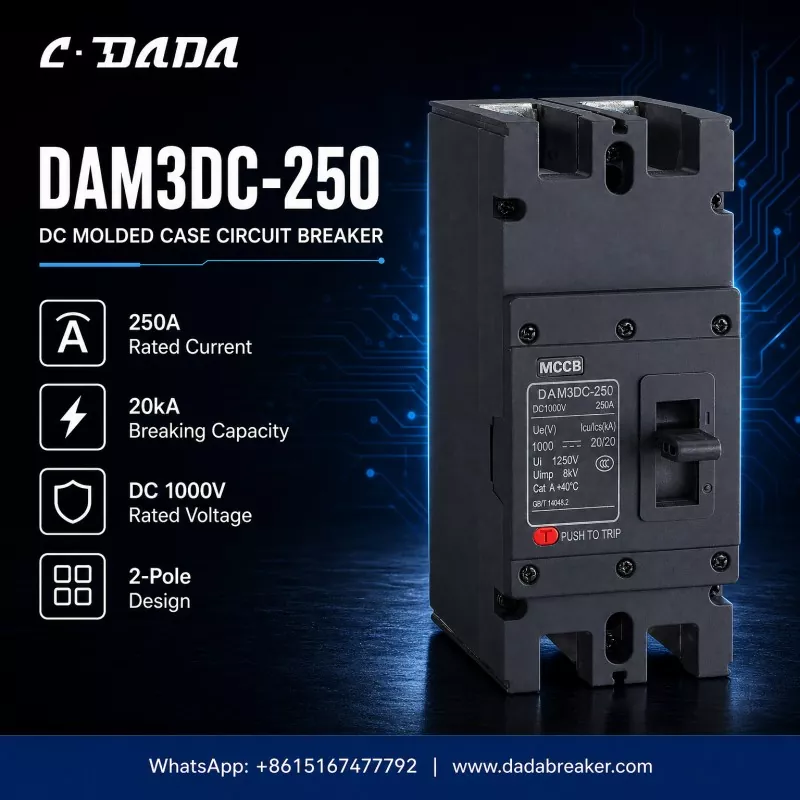
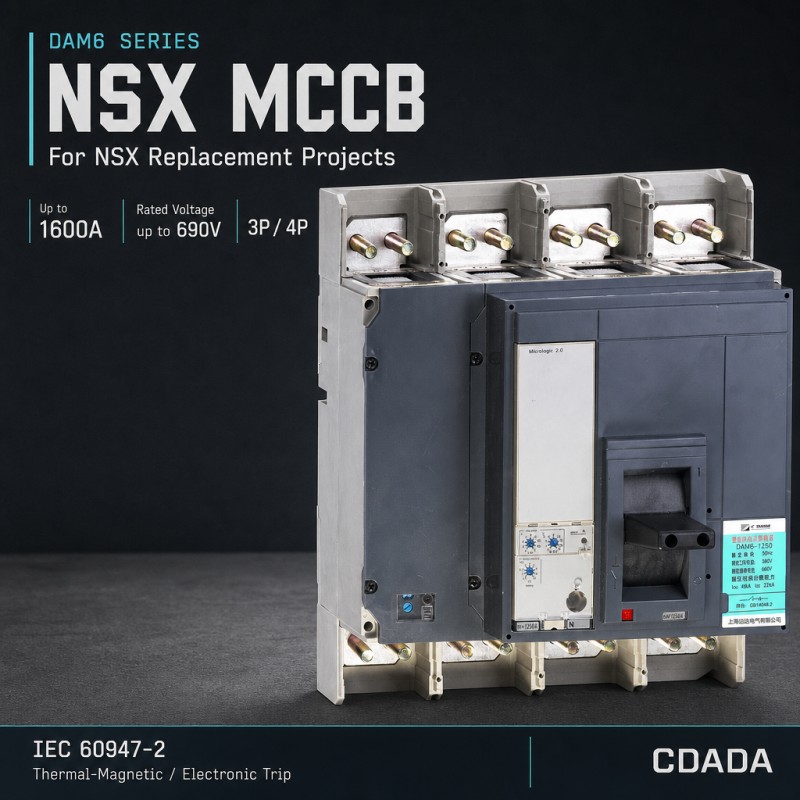
Selecting a suitable circuit breaker requires a comprehensive evaluation of circuit parameters, load characteristics, installation environment, and protection requirements. The core considerations are ensuring the rated voltage matches the system voltage, the rated current is greater than the load current but less than the conductor current-carrying capacity, and the breaking capacity (Icu) is higher than the expected short-circuit current.
Key Parameter Selection
Rated Voltage: Must be ≥ the line's rated voltage (e.g., commonly used in households 220V/380V). The undervoltage release voltage must be consistent with the system voltage.
Rated Current:
Calculate the maximum operating current of the load (Ib). Select a circuit breaker with a rated current (In) that meets the following conditions: Ib < In ≤ conductor safe current-carrying capacity (e.g., 6mm² copper wire has a current-carrying capacity of approximately 40A, select a ≤40A circuit breaker).
Derted operation is required in high-temperature environments (>40℃).
Breaking Capacity (Icu):
Must be greater than the line's maximum expected short-circuit current (Ik), which can be calculated using formulas or by referring to tables (e.g., for a transformer capacity of 1600kVA, Ik≈38.5kA). 3
Prioritize circuit breakers with an Icu ≥ 50kA; for residential applications, ≥ 6kA is sufficient.
We use cookies to offer you a better browsing experience, analyze site traffic and personalize content. By using this site, you agree to our use of cookies. Privacy Policy