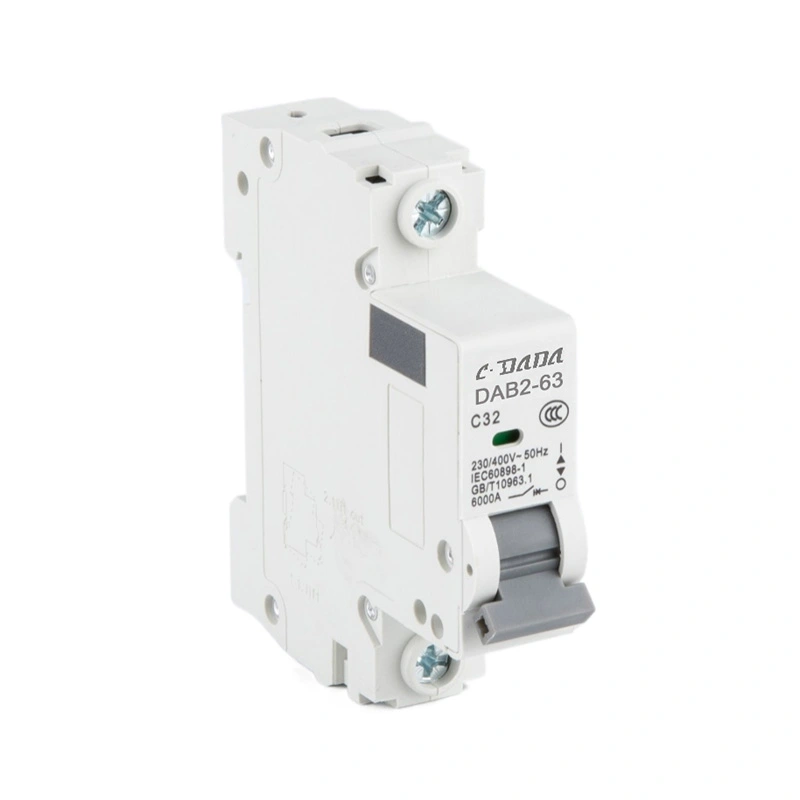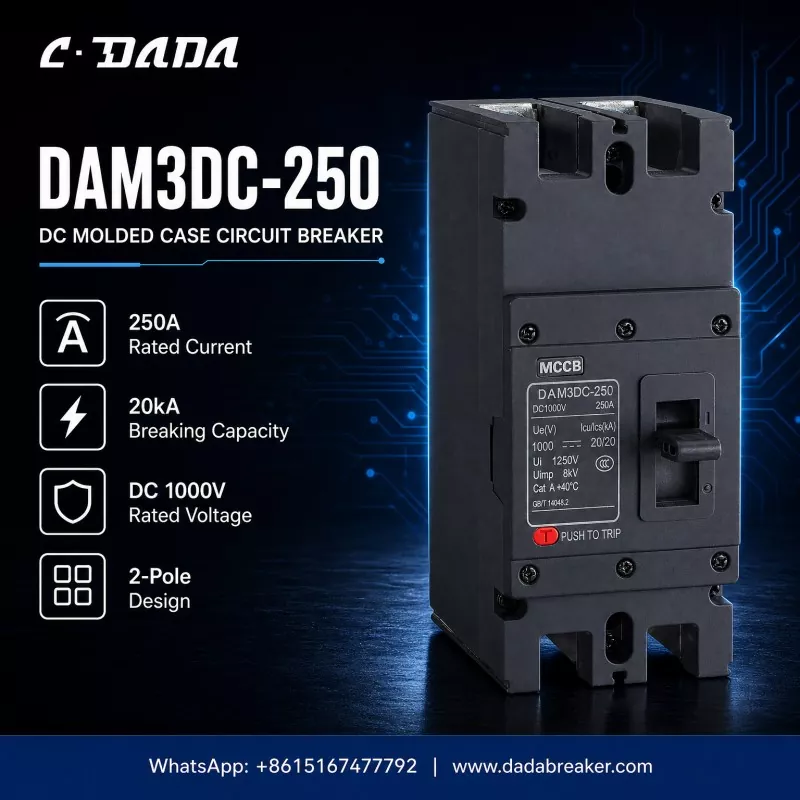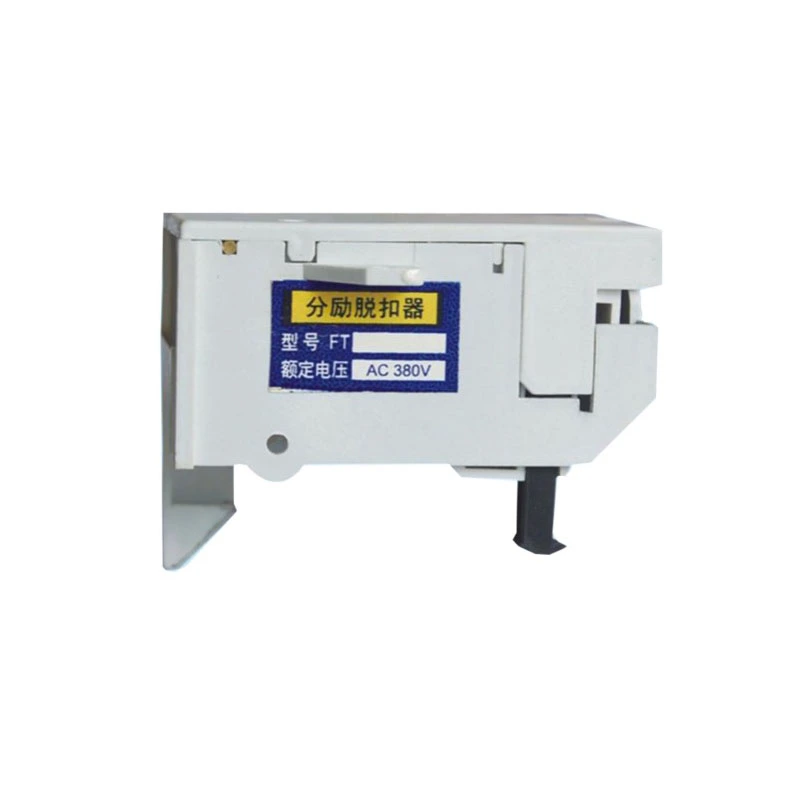
Electrical safety is a fundamental concern in residential, commercial, and industrial power distribution systems. Overloads, short circuits, and earth leakage faults can cause equipment damage, unexpected power interruptions, and potentially dangerous electrical accidents. Selecting a reliable protective device is therefore essential for maintaining a safe and stable electrical installation. A 2P 4P Electromagnetic RCBO combines residual current protection with overcurrent protection in a single device. Designed for different electrical system configurations, these circuit breakers help detect abnormal operating conditions and disconnect affected circuits when necessary. Understanding their operating principles, technical characteristics, and application requirements allows electrical engineers, contractors, and equipment purchasers to make more informed decisions.

A 2P 4P Electromagnetic RCBO is designed to provide comprehensive circuit protection by combining residual current detection, overload protection, and short-circuit protection. Two-pole models are commonly used in single-phase installations, while four-pole models are suitable for many three-phase, four-wire systems. This article explains how electromagnetic RCBOs work, their main advantages, important selection criteria, installation considerations, and typical applications. It also highlights the technical factors buyers should evaluate when sourcing circuit protection products from professional manufacturers.
1. Understanding 2P 4P Electromagnetic RCBO
What Is an Electromagnetic RCBO?
An RCBO, or Residual Current Operated Circuit Breaker with Integral Overcurrent Protection, is an electrical safety device that combines the functions of a residual current device (RCD) and a miniature circuit breaker (MCB). Unlike a conventional circuit breaker that primarily protects against overloads and short circuits, an RCBO also monitors residual current to identify certain electrical leakage faults. When an abnormal condition exceeds the specified operating limits, the device automatically disconnects the protected circuit. The term electromagnetic describes the operating mechanism used in the protective device. Depending on the product design, electromagnetic components can be used in the tripping mechanism and residual-current sensing system. The exact operating principle and voltage dependency should always be verified in the manufacturer's technical documentation. Electromagnetic RCBOs are particularly relevant to electrical installations that require dependable protection and coordinated disconnection under specified fault conditions.Main Components and Functions
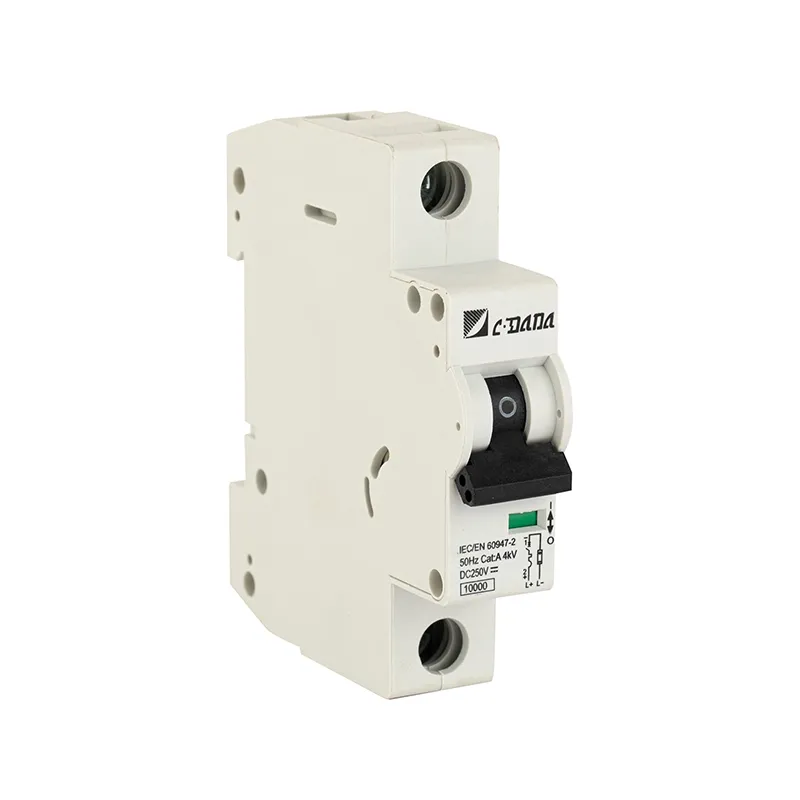
An electromagnetic RCBO generally integrates several important components:- Residual current sensing system: Monitors the current balance between the relevant live conductors and detects residual current conditions.
- Electromagnetic tripping mechanism: Initiates mechanical disconnection when the specified tripping conditions are reached.
- Overcurrent protection mechanism: Responds to overload and short-circuit conditions according to the device's rated characteristics.
- Switching contacts: Open the circuit to interrupt the current flow.
- Arc extinguishing chamber: Helps extinguish the electrical arc generated when the contacts separate.
- Test button: Creates a simulated residual current condition to check the operation of the residual-current protection function.
2. How Does an Electromagnetic RCBO Work?
The main purpose of an electromagnetic RCBO is to identify abnormal electrical conditions and disconnect the circuit before a fault develops into a more serious safety problem. Its protective functions generally cover three major operating conditions.2.1 Residual Current Protection
Under normal operating conditions, the current flowing through the relevant live conductors should maintain the expected balance. In a single-phase circuit, for example, the current flowing through the phase conductor should return through the neutral conductor. When an insulation failure, damaged cable, or defective electrical appliance causes current to flow through an unintended path, a difference may appear between the outgoing and returning currents. The residual current sensing system detects this imbalance. When the residual current reaches the device's specified operating threshold, the tripping mechanism disconnects the protected circuit. This function helps reduce the risk of electric shock and electrical fires associated with certain leakage faults. However, an RCBO does not eliminate every electrical hazard, and correct grounding, installation, and equipment selection remain essential.2.2 Overload and Short-Circuit Protection
Overloads occur when a circuit carries more current than its designed capacity for an extended period. Common causes include excessive connected loads, improperly selected electrical equipment, and abnormal operating conditions. Short circuits involve an unintended low-impedance connection between conductors, resulting in a potentially very high current. An RCBO integrates overcurrent protection to respond to these conditions.- Overload protection: Trips when current exceeds the specified time-current operating characteristics.
- Short-circuit protection: Provides rapid disconnection when a sufficiently high fault current occurs.
- Residual current protection: Disconnects the circuit when a qualifying earth leakage condition is detected.
3. Understanding the Differences Between 2P and 4P RCBOs
The number of poles is one of the most important considerations when selecting an RCBO. Two-pole and four-pole configurations are designed for different electrical distribution arrangements.3.1 What Is a 2P Electromagnetic RCBO?
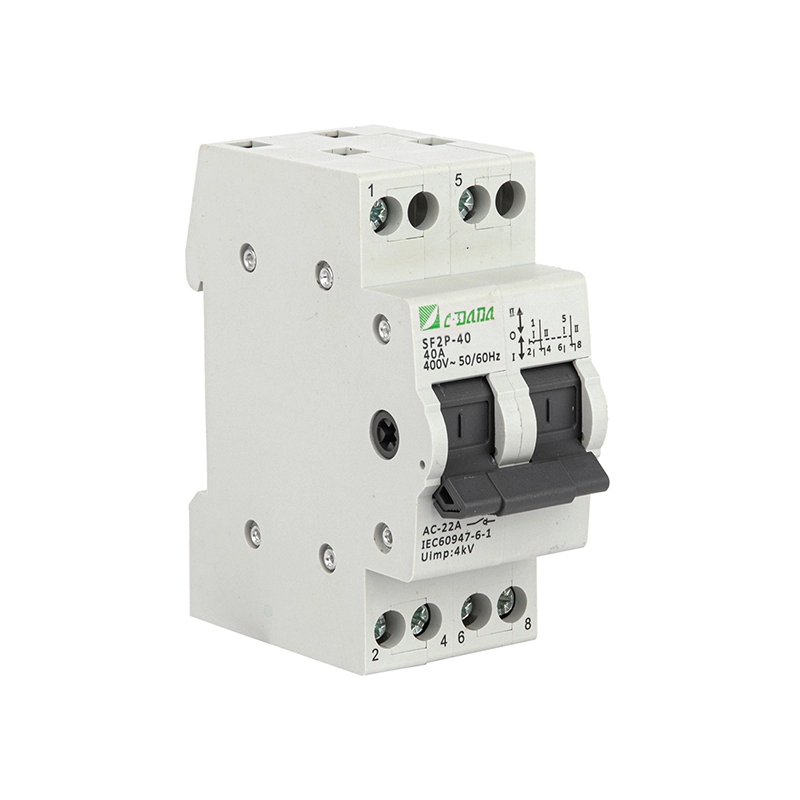
A 2P electromagnetic RCBO is a two-pole protective device commonly used in single-phase electrical systems. It is designed to switch two conductors, typically phase and neutral, together when a qualifying fault occurs. Depending on the specific model, both poles may provide overcurrent protection, or one pole may serve as a switched neutral without independent overcurrent protection. Common applications include:- Residential distribution boards.
- Single-phase lighting circuits.
- Household socket circuits.
- Small commercial electrical installations.
- Individual circuits supplying electrical appliances.
3.2 What Is a 4P Electromagnetic RCBO?
A 4P electromagnetic RCBO is generally intended for three-phase, four-wire electrical distribution systems. It provides four switching poles, typically corresponding to L1, L2, L3, and N. When the residual current protection function operates, the interconnected switching mechanism can disconnect all relevant poles together. Its typical applications include:- Commercial power distribution systems.
- Industrial electrical control panels.
- Three-phase machinery and equipment.
- Commercial HVAC systems.
- Building distribution boards and electrical infrastructure.
3.3 Key Differences Between 2P and 4P Models
| Comparison | 2P Electromagnetic RCBO | 4P Electromagnetic RCBO |
|---|---|---|
| Pole configuration | Two poles | Four poles |
| Typical application | Single-phase systems | Three-phase, four-wire systems |
| Conductors switched | Typically phase and neutral | Typically three phases and neutral |
| Installation environment | Residential and small commercial systems | Commercial and industrial systems |
| Protection requirements | Based on the specific two-pole design | Based on the specific four-pole design |
| Space requirements | Generally more compact | Generally requires more installation space |
4. Key Advantages of 2P 4P Electromagnetic RCBO
Choosing an appropriately designed electromagnetic RCBO can provide several practical advantages for electrical installations.4.1 Integrated Multiple Protection Functions
Combining residual current protection and overcurrent protection in one device simplifies the overall protective arrangement. It helps reduce the number of separate components required for an individual circuit and makes distribution board design more convenient.4.2 Improved Electrical Safety
Electrical leakage, insulation deterioration, and abnormal current conditions can create serious risks. An RCBO provides multiple layers of circuit protection by responding to specified leakage and overcurrent faults. This is particularly valuable in environments where people frequently interact with electrical equipment.4.3 Flexible Application Options
The availability of 2P and 4P configurations makes it possible to select suitable protection devices for different power distribution systems. Buyers can specify the pole configuration according to the electrical installation, equipment requirements, and applicable regulations.4.4 More Convenient Distribution Board Design
An integrated protective device can simplify circuit protection arrangements. Depending on the product dimensions and rated characteristics, it can help optimize the use of available distribution board space.4.5 Easier Fault Identification
Individual RCBO protection for separate circuits can help limit the impact of a fault. Instead of disconnecting an entire distribution system, the affected circuit can be isolated while other properly protected circuits remain operational. This can improve maintenance convenience and reduce unnecessary interruptions.5. Common Applications Across Different Industries
Because different electrical environments have different protection requirements, 2P and 4P electromagnetic RCBOs are used in a wide range of installations.5.1 Residential Buildings
Residential electrical systems commonly contain lighting circuits, socket outlets, kitchen appliances, and other electrical loads. Two-pole RCBOs can provide individual circuit protection in suitable single-phase distribution arrangements, helping improve household electrical safety.5.2 Commercial Buildings
Offices, shopping centers, hotels, and other commercial properties contain various electrical loads operating simultaneously. Depending on the distribution design, two-pole or four-pole RCBOs can be selected for lighting, power outlets, equipment circuits, and other electrical applications.5.3 Industrial Facilities
Industrial facilities often use three-phase electrical systems to supply machinery, production equipment, and auxiliary installations. Four-pole RCBOs can be used in suitable three-phase, four-wire circuits where the required switching and protection characteristics are met.5.4 HVAC and Mechanical Equipment
Heating, ventilation, and air conditioning systems may include pumps, fans, compressors, and control equipment. Selecting an appropriate RCBO helps address electrical protection requirements for these systems. Particular attention should be given to motor starting currents, leakage characteristics, and equipment manufacturer's recommendations.5.5 Electrical Distribution Panels
Distribution panels require protective devices that match the system voltage, current rating, fault level, and wiring configuration. RCBOs provide an integrated solution for circuits that require both residual current and overcurrent protection.6. How to Choose the Right Electromagnetic RCBO
Selecting the correct RCBO requires more than comparing product prices. Buyers should evaluate the electrical system, protective characteristics, installation conditions, and relevant technical standards.6.1 Confirm the Number of Poles
First, identify the electrical distribution arrangement. A 2P model is generally suitable for specified single-phase applications, while a 4P model is commonly used in three-phase, four-wire systems. The neutral switching arrangement and number of overcurrent-protected poles should also match the installation requirements.6.2 Check the Rated Current
Rated current (In) indicates the current value the device is designed to carry under specified conditions. Common product ratings may include 6A, 10A, 16A, 20A, 25A, 32A, 40A, and 63A, depending on the product series. The selected rating must coordinate with conductor capacity, connected loads, and the applicable electrical installation requirements.6.3 Evaluate Residual Operating Current
Rated residual operating current (IΔn) indicates the residual current level at which the device is designed to operate under specified test conditions. Typical sensitivity options may include:- 10mA: Used in certain applications requiring higher residual-current sensitivity.
- 30mA: Commonly used for additional protection against electric shock.
- 100mA: Used in certain installation protection arrangements.
- 300mA: May be selected for specific fire-protection and installation applications.
6.4 Understand the Tripping Curve
The tripping curve determines the overcurrent response characteristics of an RCBO. Common instantaneous tripping characteristics include:| Tripping Curve | Typical Magnetic Tripping Range | Common Considerations |
|---|---|---|
| Type B | 3–5 × In | Resistive and low-inrush-current loads |
| Type C | 5–10 × In | General applications with moderate inrush current |
| Type D | 10–20 × In | Applications with higher starting currents |
6.5 Consider Breaking Capacity
Rated short-circuit capacity (Icn) indicates the short-circuit current the device can safely interrupt under specified test conditions. Common product options may include 4.5kA, 6kA, and 10kA, although availability varies by model. The selected breaking capacity should be equal to or greater than the prospective short-circuit current at the installation point, taking into account the applicable coordination requirements.6.6 Verify the Residual Current Type
Different electrical loads can produce different residual current waveforms. Depending on the application, buyers may need to consider Type AC, Type A, Type F, or Type B residual-current protection. Electronic equipment, variable-speed drives, and power conversion systems may require more advanced residual-current detection characteristics. Always confirm compatibility with the connected equipment and applicable installation regulations.6.7 Review Product Standards and Certifications
Compliance with relevant product standards is essential when purchasing circuit protection devices. IEC 61009-1 specifies general requirements for RCBOs for household and similar uses. The relevant IEC 61009-2 series addresses additional requirements according to different RCBO classifications. Buyers should request appropriate test reports, conformity documentation, technical specifications, and certification information for the exact product model.7. Installation and Maintenance Considerations
Even a high-quality RCBO cannot provide its intended protection if it is incorrectly selected, installed, or maintained.7.1 Follow the Correct Wiring Diagram
Always follow the manufacturer's connection diagram and terminal markings. Incorrect phase and neutral connections may affect device operation or compromise the intended protective arrangement. Special attention is required when installing multi-pole devices in three-phase systems.7.2 Ensure Proper Electrical Coordination
The RCBO should be coordinated with the upstream protective devices, conductor ratings, load characteristics, and available fault current. Proper coordination helps avoid unnecessary tripping and ensures that the selected device can safely interrupt expected fault conditions.7.3 Check the Installation Environment
Environmental conditions such as temperature, humidity, dust, and vibration can affect electrical equipment performance. Select devices with suitable operating temperature ranges and enclosure protection according to the actual installation environment.7.4 Perform Regular Functional Testing
The test button should be operated at the intervals recommended by the manufacturer and applicable local regulations. This checks the operation of the residual-current protection mechanism under the test conditions provided by the device. It does not replace professional inspection or comprehensive electrical testing.7.5 Inspect for Signs of Deterioration
Qualified electrical personnel should periodically inspect connections, terminals, enclosure conditions, and signs of overheating or mechanical damage. Any device showing abnormal behavior should be investigated and replaced when necessary.8. What Should Buyers Look for in an RCBO Manufacturer?
For electrical distributors, contractors, panel builders, and equipment manufacturers, choosing a dependable RCBO supplier is just as important as selecting the correct technical specifications. A reliable manufacturer should provide more than a competitive quotation. Product consistency, technical support, quality management, and delivery reliability all influence long-term purchasing decisions.8.1 Manufacturing and Quality Control Capabilities
Evaluate the manufacturer's production facilities, component sourcing, assembly processes, and inspection procedures. Consistent manufacturing quality helps reduce product variation and supports reliable performance across different production batches.8.2 Complete Technical Documentation
Professional suppliers should be able to provide detailed product specifications, wiring diagrams, dimensional drawings, test reports, and relevant certification documents. This information allows engineers and purchasing teams to verify whether a particular RCBO model meets their project requirements.8.3 Product Range and Customization Support
Different markets and projects may require different pole configurations, rated currents, residual operating currents, breaking capacities, and enclosure designs. Manufacturers with a suitable product portfolio can help buyers identify products that match their application requirements. OEM and ODM capabilities may also be valuable for distributors and brands seeking customized product solutions, subject to technical feasibility and certification requirements.8.4 After-Sales and Technical Assistance
Responsive technical support is important when buyers need assistance with product selection, installation documentation, compatibility verification, or troubleshooting. A professional supplier should communicate technical limitations clearly and provide appropriate support throughout the purchasing process.8.5 Why Work with Shanghai DaDa Electric Co., Ltd.?
When sourcing electrical circuit protection products, buyers should prioritize manufacturers that understand practical electrical requirements and maintain a strong focus on product quality. Shanghai DaDa Electric Co., Ltd. serves the electrical industry with a focus on circuit protection solutions. For buyers evaluating 2P 4P Electromagnetic RCBO products, selecting suitable models requires careful consideration of electrical configurations, operating characteristics, and application conditions. Whether the project involves residential distribution boards, commercial buildings, or industrial electrical installations, professional product consultation can help identify appropriate protection solutions. Before placing an order, buyers are encouraged to confirm the available product specifications, technical documentation, certifications, customization options, and delivery arrangements directly with the manufacturer.9. Frequently Asked Questions About 2P 4P Electromagnetic RCBO
Q1: What is the main function of a 2P 4P Electromagnetic RCBO?
A 2P 4P Electromagnetic RCBO combines residual current protection with overload and short-circuit protection. It detects specified abnormal electrical conditions and automatically disconnects the protected circuit to help improve electrical safety.
Q2: What is the difference between a 2P RCBO and a 4P RCBO?
A 2P RCBO has two poles and is commonly used in single-phase electrical systems. A 4P RCBO has four poles and is generally designed for three-phase, four-wire systems. Their switching and overcurrent protection configurations depend on the specific product design.
Q3: Does an electromagnetic RCBO protect against electric shock?
Its residual-current protection function can provide additional protection against certain electric shock hazards by disconnecting a circuit when a qualifying residual current is detected. However, it cannot prevent every type of electric shock and should be used together with proper grounding, insulation, and electrical safety measures.
Q4: What is the difference between an RCBO and an MCB?
An MCB primarily protects electrical circuits against overloads and short circuits. An RCBO combines these overcurrent protection functions with residual-current protection, providing more comprehensive protection within one device.
Q5: What rated residual operating current should I choose?
The appropriate residual operating current depends on the application, local electrical regulations, equipment characteristics, and intended protection level. Common options include 10mA, 30mA, 100mA, and 300mA. A qualified electrical professional should determine the suitable specification.
Q6: Can a 4P RCBO be used in an industrial electrical system?
Yes. A 4P RCBO can be suitable for certain three-phase, four-wire industrial installations. However, its voltage rating, rated current, breaking capacity, residual-current type, pole configuration, and load compatibility must meet the specific system requirements.
Q7: Which standards should an RCBO comply with?
IEC 61009-1 provides general requirements for RCBOs intended for household and similar uses. Relevant IEC 61009-2 standards provide additional requirements according to different classifications. Buyers should also consider the national standards and certification requirements applicable in their target markets.
Q8: How often should an RCBO be tested?
The recommended testing interval depends on the manufacturer's instructions and local electrical regulations. Users should operate the test button according to the specified schedule and arrange professional inspections whenever abnormal operation or installation problems are suspected.
Q9: What information should I provide when requesting an RCBO quotation?
Buyers should provide the required pole configuration, system voltage, rated current, residual operating current, tripping curve, breaking capacity, residual-current type, application environment, and estimated order quantity. Providing these details helps manufacturers recommend more suitable products and prepare accurate quotations.
Q10: Why is choosing a professional RCBO manufacturer important?
A professional manufacturer can provide consistent product quality, technical documentation, appropriate testing information, and application guidance. These factors help buyers reduce procurement risks and select circuit protection products that meet their project requirements.
10. Conclusion
A 2P 4P Electromagnetic RCBO plays an important role in modern electrical protection systems by combining residual current detection with overload and short-circuit protection. Its integrated design makes it a practical solution for various residential, commercial, and industrial applications. Understanding the differences between two-pole and four-pole configurations, evaluating rated current and residual operating current, and verifying the appropriate tripping characteristics are essential steps in selecting the right product. Equally important is choosing a dependable manufacturer that can provide reliable product quality, complete technical documentation, and professional purchasing support. For electrical distributors, contractors, and project purchasers, working with an experienced supplier can make the sourcing process more efficient and help ensure that circuit protection products meet the actual demands of each installation.Looking for Reliable 2P 4P Electromagnetic RCBO Solutions?
Shanghai DaDa Electric Co., Ltd. is ready to assist you in exploring suitable electrical circuit protection products for your projects. Whether you need technical specifications, product recommendations, bulk purchasing support, or customized solutions, our team can help you evaluate your requirements.
Contact us today to discuss your application, request product information, and find the right electromagnetic RCBO solutions for your electrical distribution needs.