

Industry News
 10 2026-06
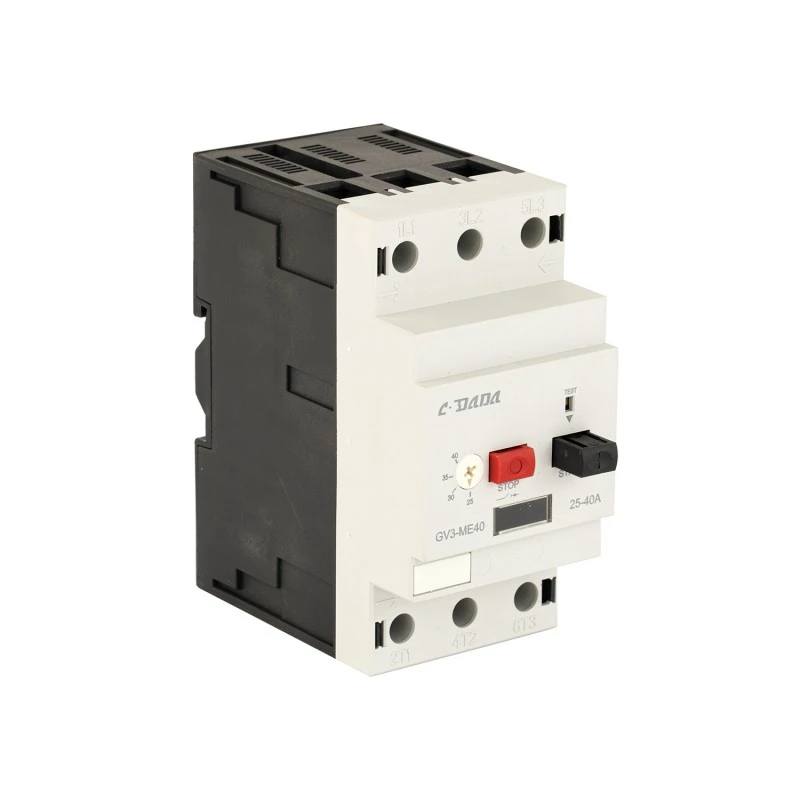
Why Is a Motor Protection Circuit Breaker Essential for Reliable Motor Operation?
Electric motors are the driving force behind industrial automation, manufacturing systems, HVAC equipment, pumps, conveyors, compressors, and countless commercial applications. However, motors face various electrical risks including overloads, short circuits, phase failures, locked rotor conditions, and voltage fluctuations. Without proper protection, these issues can lead to costly downtime, equipment damage, safety hazards, and reduced operational efficiency.
 01 2026-06
What Is a Residual Current Circuit Breaker?
A Residual Current Circuit Breaker (RCCB) is a critical electrical safety device designed to protect people and property from electric shock, fire hazards, and leakage currents. In modern electrical systems, where residential, commercial, and industrial loads are increasingly complex, RCCBs play an essential role in ensuring safe power distribution. This article provides a comprehensive guide to understanding how RCCBs work, why they are essential, how to select the right model, common installation practices, maintenance tips, and real-world applications.
 27 2026-05
Hannover Messe 2026: Can Smart Factories Move Forward Without Reliable Motor Protection like LRD Relays?
Hannover Messe 2026 dazzled with AI and robots, but every motor still needs protection. This article explains why LRD thermal overload relays remain essential, and how CDADA offers a reliable, IEC-certified alternative.
 26 2026-05
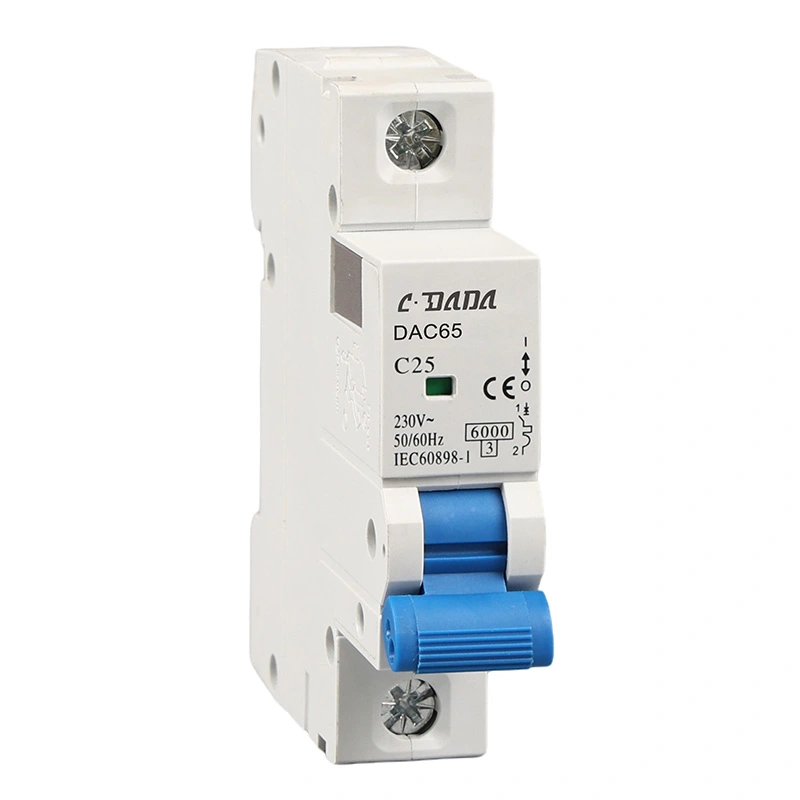
What Makes a Miniature Circuit Breaker Essential for Modern Electrical Safety?
Miniature Circuit Breakers (MCBs) are one of the most critical components in modern electrical distribution systems. They are designed to automatically disconnect electrical circuits in the event of overloads or short circuits, preventing equipment damage, fire hazards, and electrical accidents.
 25 2026-05
Why Is Air Circuit Breaker Essential for Modern Electrical Protection?
An Air Circuit Breaker plays a critical role in protecting electrical systems from overloads, short circuits, and operational failures. From factories and commercial buildings to renewable energy systems and data centers, these breakers ensure stable power distribution and improve operational safety.
 28 2026-02
How to choose the right circuit breaker?
Selecting a suitable circuit breaker requires a comprehensive evaluation of circuit parameters, load characteristics, installation environment, and protection requirements. The core considerations are ensuring the rated voltage matches the system voltage, the rated current is greater than the load current but less than the conductor current-carrying capacity, and the breaking capacity (Icu) is higher than the expected short-circuit current.