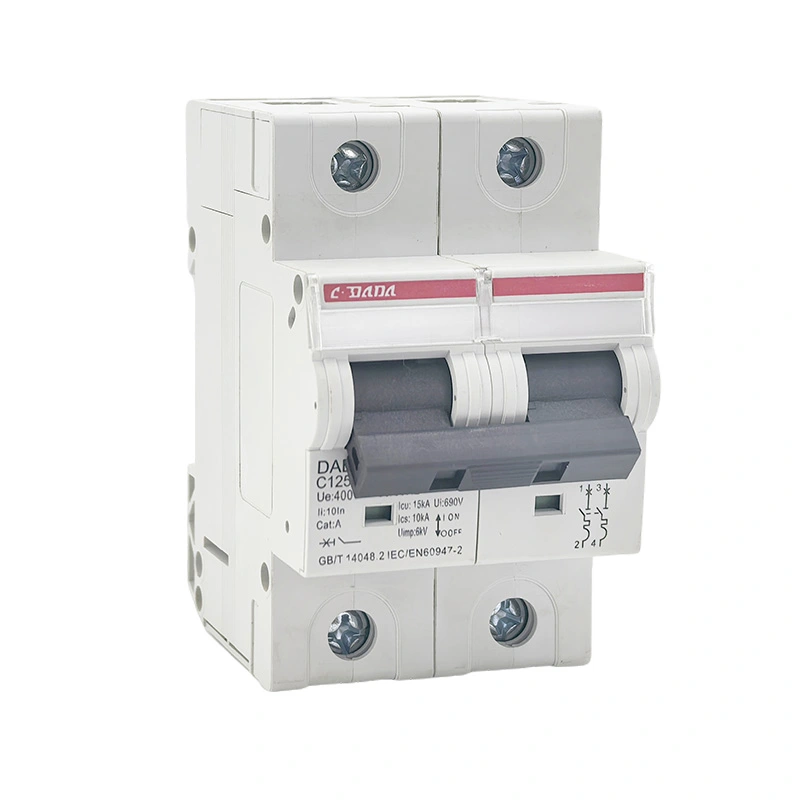
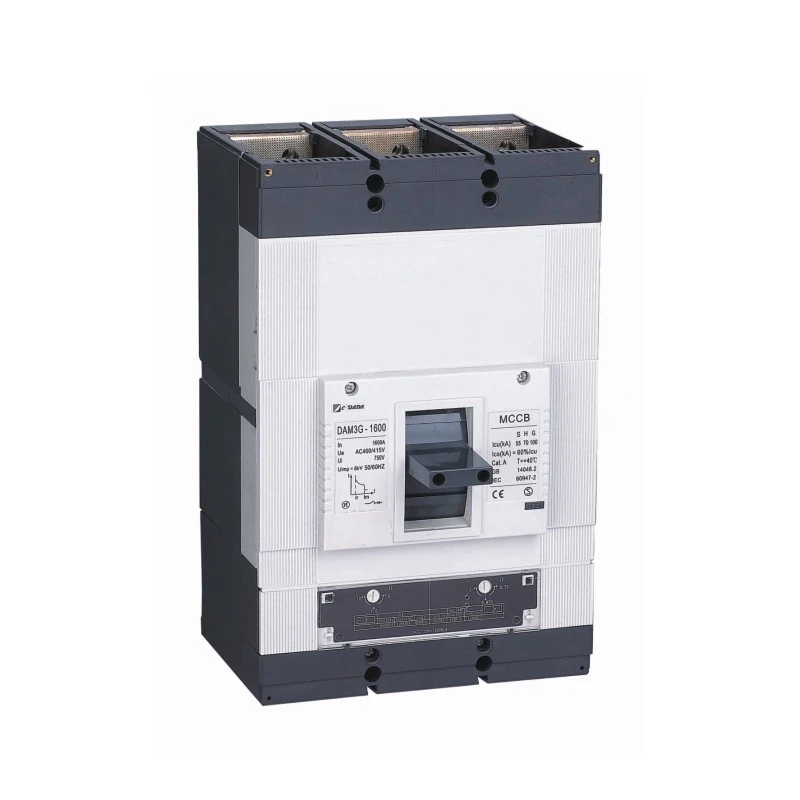
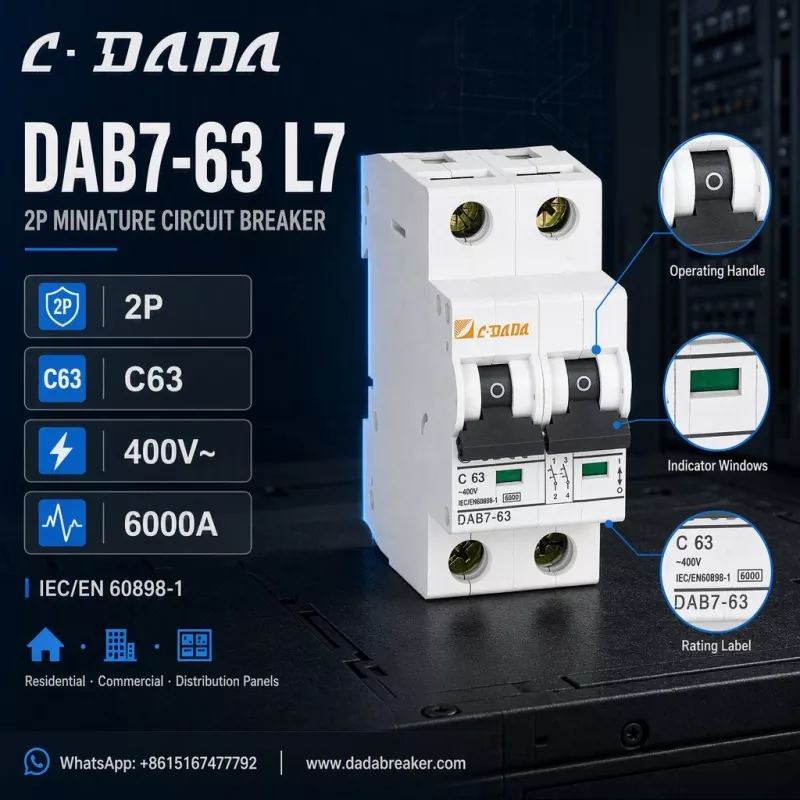
Circuit breakers are core devices in power systems, enabling circuit switching control and automatic fault protection. They are widely used in all scenarios, from household electricity to high-voltage power grids. Their core functions are overload/short circuit/leakage protection, equipment safety, power supply stability, and fire and electric shock prevention.
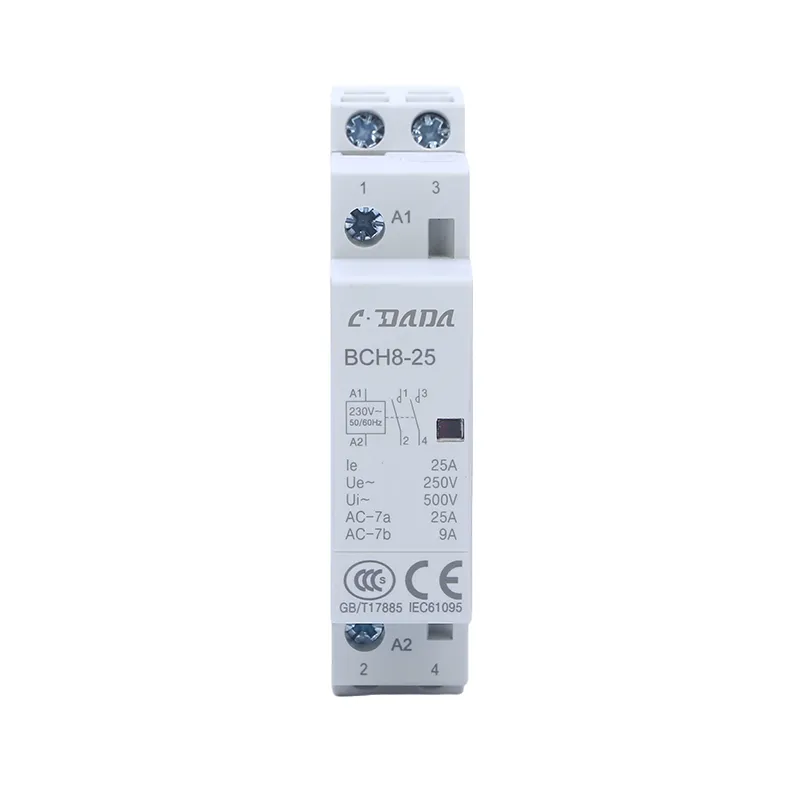
Residential and Civil Buildings (Low-voltage Miniature Circuit Breakers (MCBs))
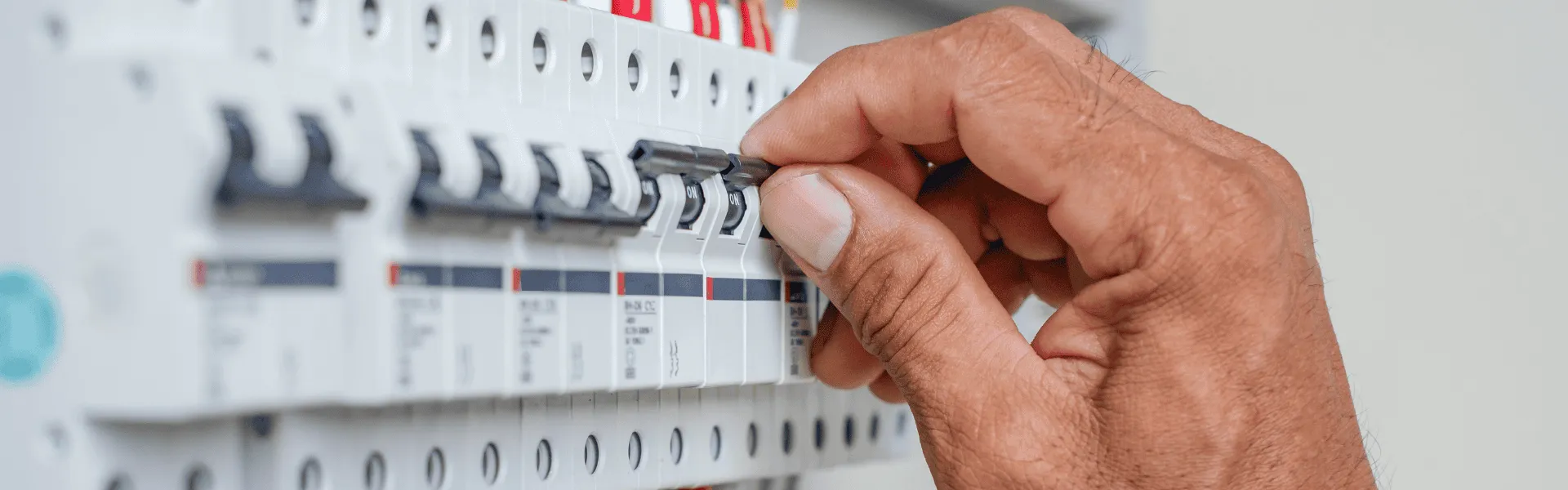
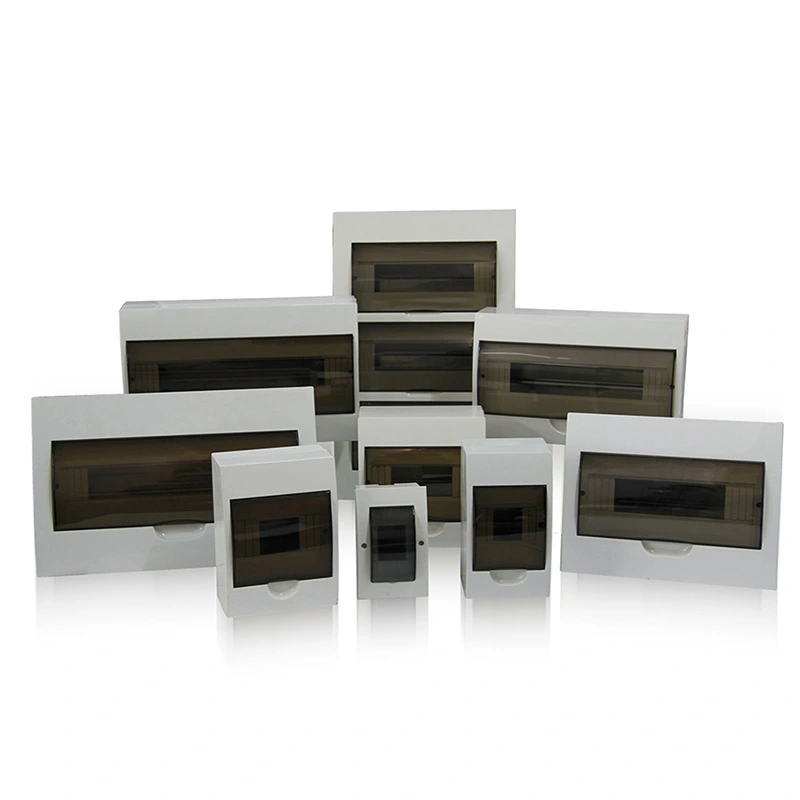
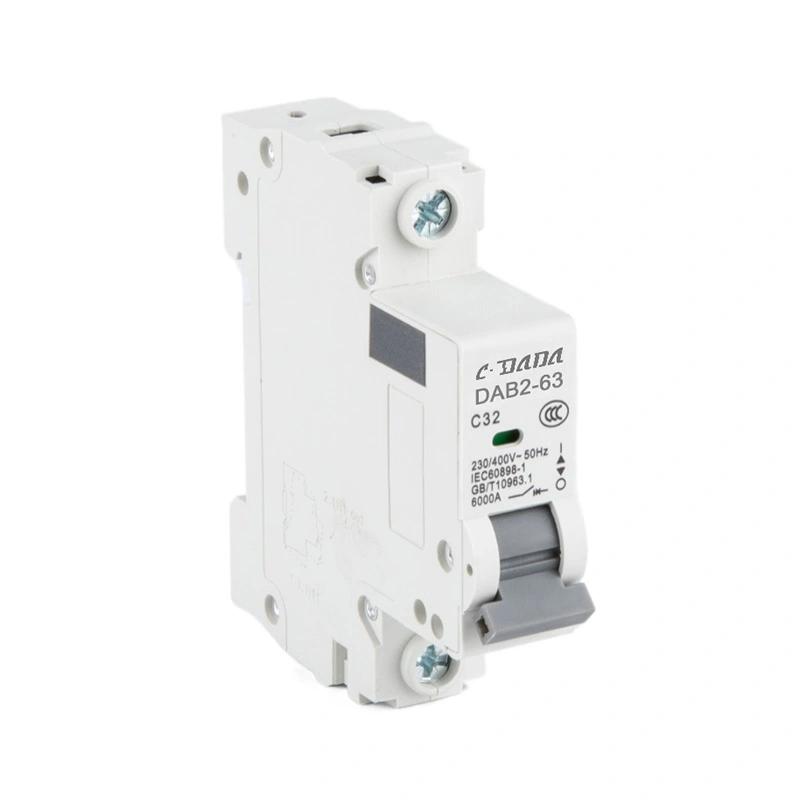
Main switch/branch circuit protection in distribution boxes: Independent protection for lighting, sockets, air conditioning, and kitchen/bathroom circuits; fault tripping does not affect the power supply to the entire house.
Residual current protection (RCCB/RCBO): Protection against electric shock in damp areas (bathrooms, kitchens); main incoming line leakage protection enhances personal safety.
Power outages during renovations/maintenance: Manual disconnection for safe inspection of wiring and appliances.
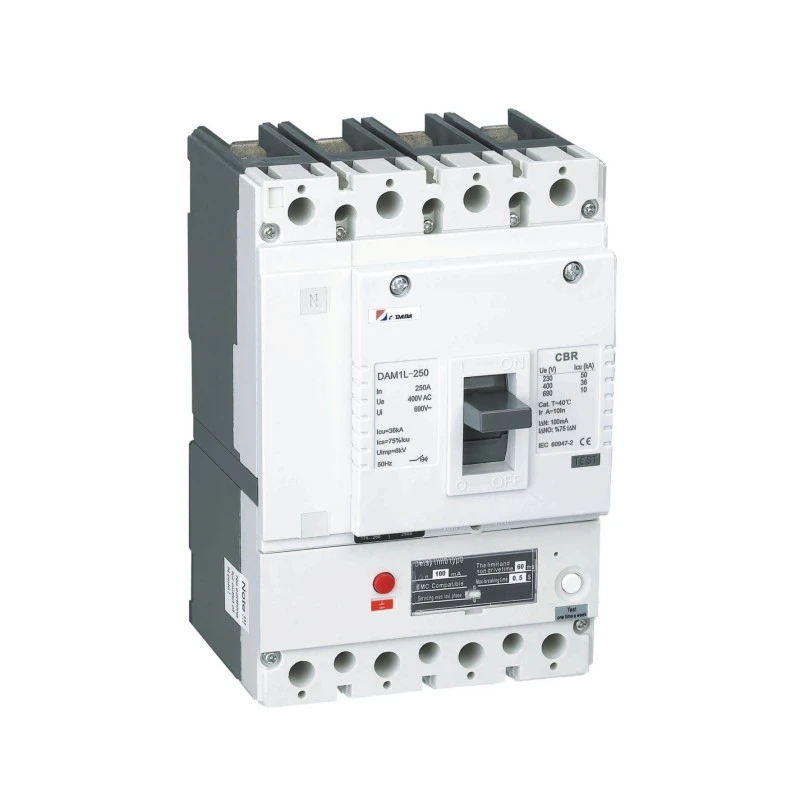
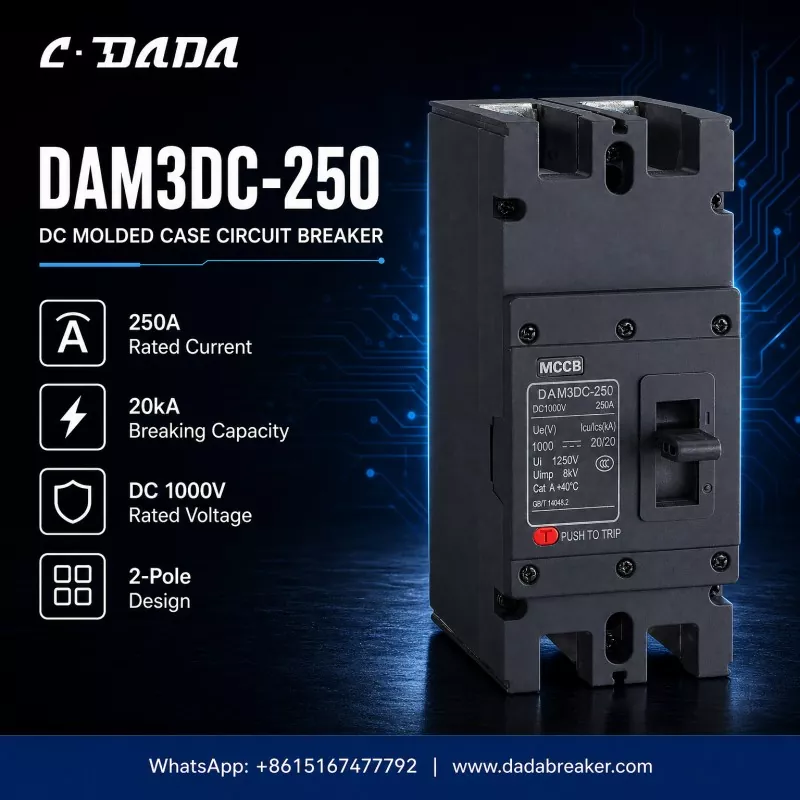
Industrial and Manufacturing Industries (Molded Case Circuit Breakers (MCCBs) / Frame Circuit Breakers (ACCBs))
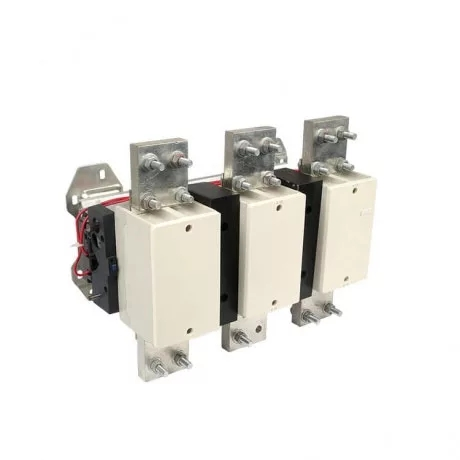
Main power distribution and branch protection in workshops: Frame circuit breakers (ACBs) are used for the main incoming line of the factory and the low-voltage side of the transformer; molded case circuit breakers (MCCBs) are used for equipment circuits and motor control.
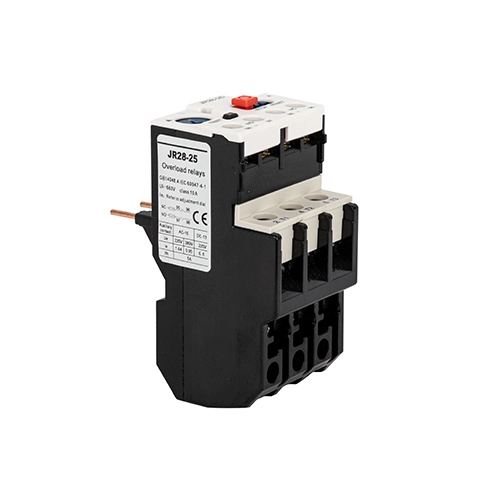
Motor protection: Protects fans, pumps, compressors, machine tools, etc., from overload, stall, and phase loss burnout.
Special environments: Explosion-proof (coal mines, chemical plants), high-temperature/corrosion-resistant (metallurgical, shipbuilding).
Multi-level protection system: Three-level coordination of main switch – branch – equipment, ensuring precise fault isolation and minimizing power outage area.
We use cookies to offer you a better browsing experience, analyze site traffic and personalize content. By using this site, you agree to our use of cookies.Privacy Policy