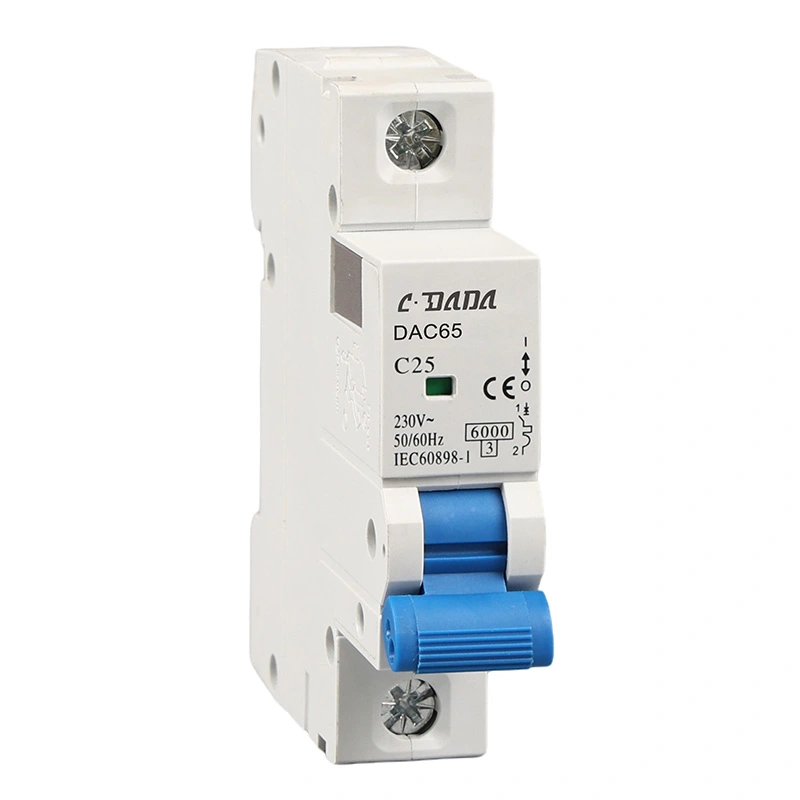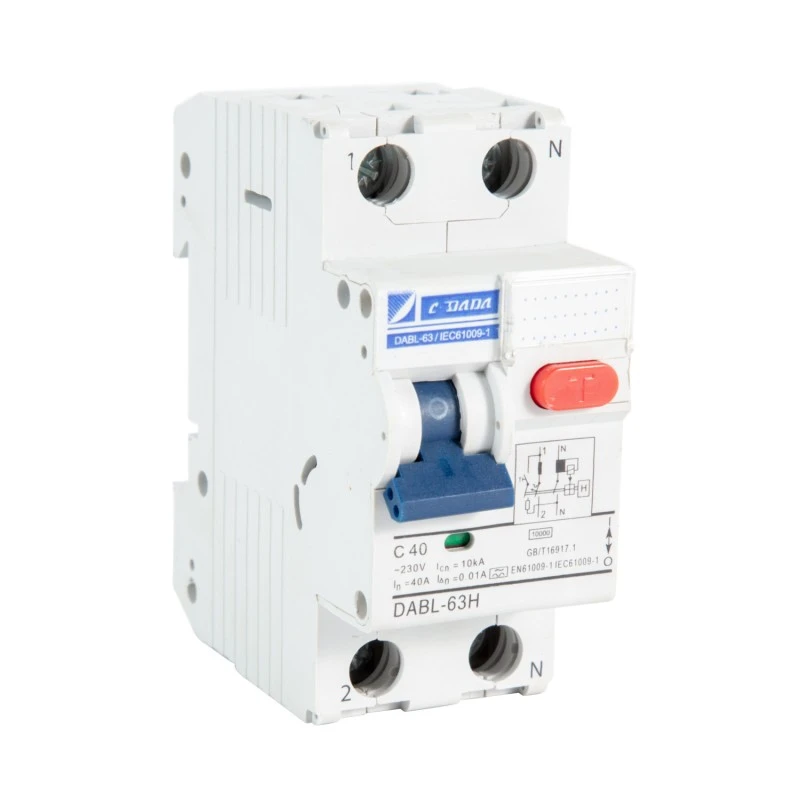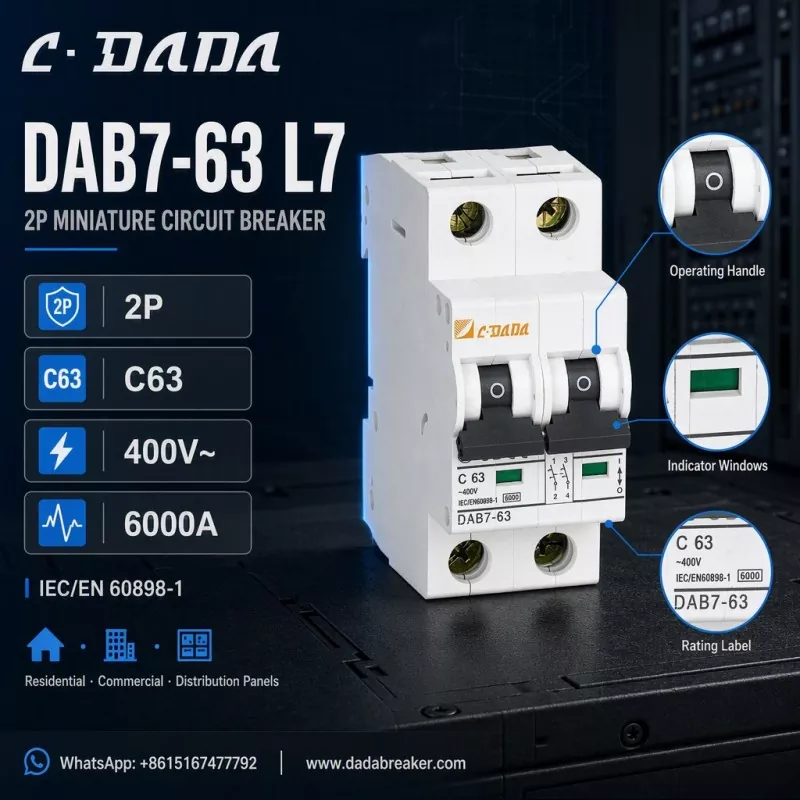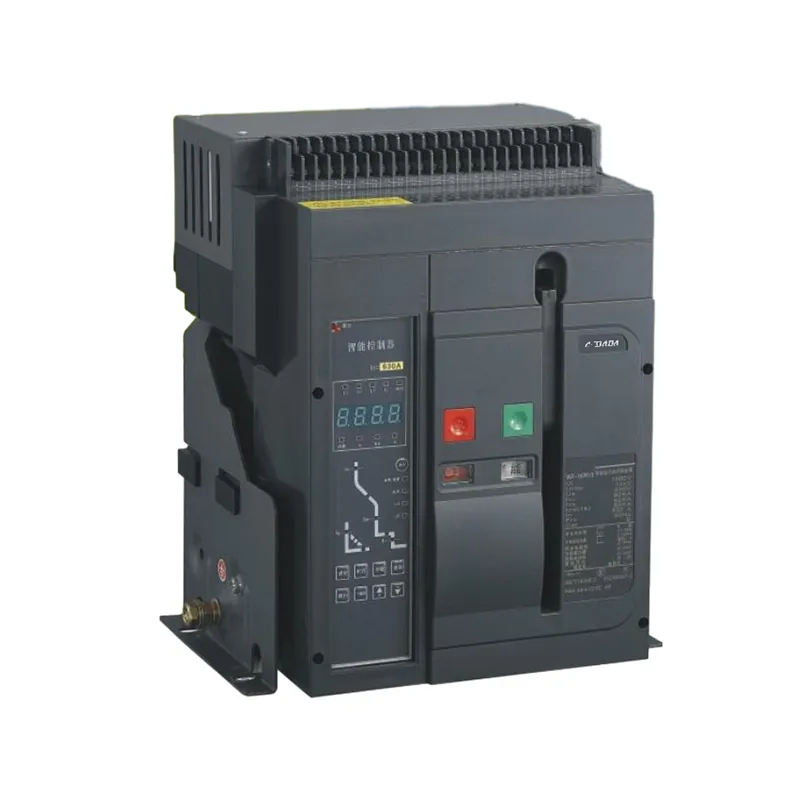
Electrical safety is a major concern in residential, commercial, and industrial power distribution systems. A 2P 4P Electronic Type RCBO combines residual current protection and overcurrent protection in a single device, helping reduce the risk of electric shock, electrical fires, short circuits, and equipment damage. However, selecting the right configuration requires more than simply checking the number of poles. This guide explains how electronic RCBOs work, the differences between 2-pole and 4-pole configurations, essential technical specifications, common selection mistakes, and practical installation considerations. It also provides useful guidance for electrical contractors, panel builders, distributors, and purchasing professionals looking for dependable circuit protection solutions.
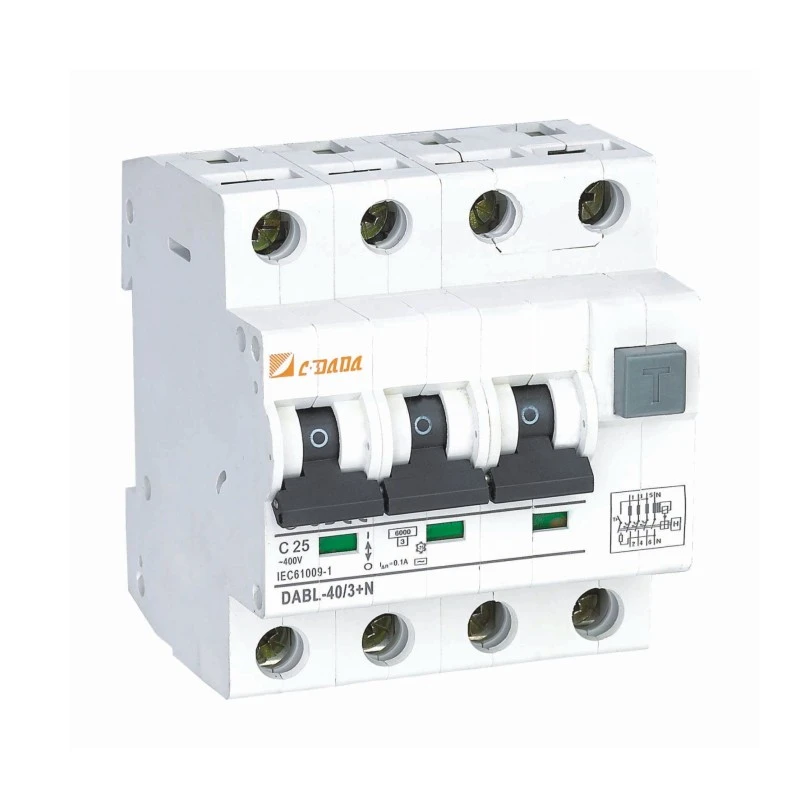
Table of Contents
- Why Is Reliable Circuit Protection Important?
- What Is a 2P 4P Electronic Type RCBO?
- How Does an Electronic Type RCBO Work?
- Understanding 2P and 4P RCBO Configurations
- 2P vs. 4P Electronic Type RCBO: Key Differences
- Major Advantages of Electronic Type RCBOs
- Where Are 2P and 4P RCBOs Commonly Used?
- How to Select the Right Electronic Type RCBO
- Common Selection and Installation Mistakes
- Installation, Testing, and Maintenance Tips
- Why Choose a Reliable RCBO Manufacturer?
- Frequently Asked Questions
1. Why Is Reliable Circuit Protection Important?
Electricity powers almost every aspect of modern life, from household appliances and commercial lighting to industrial machinery and automated production lines. Although electrical systems provide convenience and productivity, they also introduce potential hazards when faults occur.
Insulation deterioration, damaged cables, incorrect wiring, overloaded circuits, and equipment failures can create dangerous electrical conditions. Two particularly important risks are residual current faults and overcurrent conditions.
- Electric shock: Leakage current can flow through unintended paths, potentially exposing people to dangerous electrical currents.
- Electrical fires: Persistent earth leakage, overloads, and short circuits can cause excessive heating and increase fire risks.
- Equipment damage: Abnormal current conditions may damage sensitive electrical components and connected appliances.
- Operational interruptions: Electrical faults can stop machinery, interrupt business operations, and increase maintenance expenses.
Traditional circuit breakers primarily protect against overloads and short circuits. However, they do not necessarily provide the additional residual current protection required to detect certain leakage faults.
This is where a residual current operated circuit-breaker with integral overcurrent protection, commonly called an RCBO, becomes valuable. By combining multiple protection functions, an RCBO helps create a more comprehensive electrical safety solution.
2. What Is a 2P 4P Electronic Type RCBO?
A 2P 4P Electronic Type RCBO is an electrical protective device designed to combine residual current detection with overcurrent protection. The terms 2P and 4P describe different pole configurations, while electronic type refers to the use of electronic circuitry in the residual current detection and tripping system.
Unlike a conventional RCCB, which provides residual current protection without integral overcurrent protection, an RCBO also responds to overloads and short circuits within its rated operating conditions.
Understanding the Main Components
A typical electronic type RCBO contains several important functional components:
- Residual current sensing transformer: Detects an imbalance between the currents flowing through the monitored conductors.
- Electronic detection circuit: Processes the detected signal and evaluates whether the residual current reaches the specified operating threshold.
- Tripping mechanism: Activates the switching mechanism when a qualifying fault condition is detected.
- Overcurrent protection mechanism: Responds to overloads and short circuits according to the device's designed characteristics.
- Switching contacts: Open the protected circuit when the device trips.
- Test button: Allows the user to perform a functional test of the residual current protection circuit according to the manufacturer's instructions.
Understanding these distinctions helps buyers avoid confusing pole configuration, electronic operating principles, and residual current sensitivity when comparing products.
3. How Does an Electronic Type RCBO Work?
An electronic type RCBO monitors the electrical current flowing through the conductors of a protected circuit. Under normal conditions, the current entering and returning through the monitored conductors should balance according to the circuit configuration.
When an earth leakage fault occurs, part of the current may flow through an unintended path, such as an exposed conductive part or an earth conductor. This creates a residual current imbalance.
Step 1: Continuous Current Monitoring
The sensing transformer monitors the current relationship between the relevant conductors. Under normal operating conditions, the magnetic effects of balanced currents substantially cancel each other.
Step 2: Residual Current Detection
When leakage occurs, the current balance changes. The sensing component detects the resulting residual current and sends a corresponding signal to the electronic circuit.
Step 3: Electronic Signal Processing
The electronic circuit evaluates the detected signal against the device's specified operating characteristics. If the residual current satisfies the applicable tripping conditions, the circuit activates the release mechanism.
Step 4: Automatic Circuit Disconnection
The switching contacts open, disconnecting the protected circuit from the supply. This helps reduce the duration of exposure to a potentially dangerous fault condition.
Step 5: Overcurrent Protection
In addition to residual current protection, the RCBO responds to overloads and short circuits through its integrated overcurrent protection system. Depending on the design, thermal and magnetic tripping mechanisms provide the required response.
These two protection functions address different electrical hazards, making the RCBO a practical solution for many distribution applications.
4. Understanding 2P and 4P RCBO Configurations
The number of poles is one of the most important considerations when choosing an RCBO. It determines how many conductors can be switched and how the device is configured within an electrical installation.
4.1 What Is a 2P Electronic Type RCBO?
A 2-pole RCBO is commonly used in single-phase electrical systems. It is generally designed to switch both the line and neutral conductors, although the exact overcurrent protection arrangement depends on the product design.
Depending on the configuration, a 2P device may have one overcurrent-protected pole and a switched neutral, or two overcurrent-protected poles.
Typical applications include:
- Residential distribution boards.
- Single-phase lighting and socket circuits.
- Small commercial electrical installations.
- Individual appliance protection.
- Single-phase equipment in workshops and offices.
4.2 What Is a 4P Electronic Type RCBO?
A 4-pole RCBO is commonly designed for three-phase electrical systems. It can switch three phase conductors and the neutral conductor, making it suitable for installations where all four conductors need to be disconnected together.
Depending on its design, a 4P RCBO may provide overcurrent protection on three poles with a switched neutral, or overcurrent protection on all four poles.
Typical applications include:
- Three-phase commercial distribution systems.
- Industrial electrical distribution panels.
- Three-phase machinery and production equipment.
- Commercial HVAC systems.
- Three-phase equipment with neutral connections.
5. 2P vs. 4P Electronic Type RCBO: Key Differences
Although both configurations provide residual current and overcurrent protection, their electrical applications and installation requirements are different.
| Comparison Item | 2P Electronic Type RCBO | 4P Electronic Type RCBO |
|---|---|---|
| Number of poles | 2 poles | 4 poles |
| Typical system | Single-phase | Three-phase, four-wire |
| Conductors switched | Line and neutral, where applicable | Three phases and neutral, where applicable |
| Typical applications | Homes, offices, small equipment | Commercial buildings, industrial panels |
| Installation space | Generally smaller | Generally larger |
| Wiring complexity | Relatively simple | More complex |
| Current monitoring | According to the rated pole configuration | According to the rated pole configuration |
| Neutral arrangement | Depends on product design | Depends on product design |
| Selection priority | Single-phase circuit requirements | Three-phase circuit requirements |
The most appropriate configuration depends on the actual electrical system rather than simply the size or power consumption of the connected equipment.
For example, using an unsuitable 2P device in a circuit requiring simultaneous isolation of three phases and neutral may leave conductors connected when the circuit trips. Similarly, selecting a 4P device for a simple single-phase application may increase installation costs and occupy unnecessary panel space.
6. Major Advantages of Electronic Type RCBOs
Electronic type RCBOs offer several practical advantages when properly designed, selected, and installed.
6.1 Integrated Protection Functions
One of the main advantages is the combination of residual current protection and overcurrent protection in one compact device. This can simplify distribution board design and reduce the number of separate protective components required.
6.2 Accurate Residual Current Detection
Electronic signal processing allows the device to evaluate residual current signals according to its designed operating characteristics. The actual detection performance depends on circuit design, component quality, calibration, and compliance testing.
6.3 Flexible Pole Configurations
Both 2P and 4P configurations are available for different electrical systems. This allows distributors, panel manufacturers, and electrical contractors to select products according to their application requirements.
6.4 Improved Circuit Management
RCBOs can protect individual final circuits. If a qualifying fault occurs, the affected circuit can be disconnected without necessarily interrupting every other circuit in the distribution board, provided the overall protection arrangement is properly coordinated.
6.5 Space and Installation Efficiency
Combining two protection functions in one device can help simplify panel layouts, reduce separate component requirements, and support more organized electrical distribution designs.
6.6 Support for Different Electrical Applications
Depending on the product range, buyers can select different rated currents, residual operating currents, tripping characteristics, and residual current types to meet varying application requirements.
7. Where Are 2P and 4P RCBOs Commonly Used?
The versatility of electronic type RCBOs makes them suitable for a wide range of low-voltage electrical installations.
Residential Buildings
2P RCBOs are commonly used in residential distribution boards to protect individual lighting, socket, and appliance circuits. Circuit-level protection can help limit the impact of an electrical fault on other household circuits.
Commercial Buildings
Offices, retail stores, hotels, and shopping centers contain various electrical loads, including lighting systems, computers, air conditioning, and general-purpose outlets. Appropriate RCBO configurations can help improve electrical safety and circuit management.
Industrial Facilities
Industrial facilities often operate three-phase distribution systems supplying motors, production equipment, and auxiliary machinery. A suitably rated 4P RCBO may be used where the electrical system and equipment protection requirements call for residual current and overcurrent protection.
HVAC and Mechanical Equipment
Commercial air conditioning systems, ventilation equipment, and other mechanical installations may require dedicated circuit protection. The appropriate device depends on the equipment's electrical characteristics, inverter technology, and potential residual current waveforms.
Electrical Distribution Panels
Panel builders and electrical contractors use different pole configurations to organize protective devices within distribution assemblies. Correct selection supports effective fault isolation, easier maintenance, and reliable system operation.
8. How to Select the Right Electronic Type RCBO
Choosing a suitable 2P or 4P Electronic Type RCBO requires a systematic evaluation of electrical parameters, installation conditions, and applicable safety requirements.
8.1 Confirm the Electrical System
First, identify whether the installation uses a single-phase or three-phase supply. Check the number of conductors, nominal system voltage, neutral arrangement, and earthing system.
8.2 Check the Rated Current
The rated current (In) indicates the current the device is designed to carry under specified conditions. It should be selected according to cable capacity, expected load, installation method, and applicable electrical regulations.
8.3 Select the Residual Operating Current
The rated residual operating current (IΔn) determines the residual current threshold associated with the device's operating characteristics.
For example, 30 mA devices are commonly used for additional protection against electric shock in relevant final circuits. Higher residual current ratings may be appropriate for other protection purposes, subject to local regulations and system design.
8.4 Understand the Residual Current Type
Different electrical loads may produce different residual current waveforms. Common classifications include:
- Type AC: Designed for sinusoidal alternating residual currents.
- Type A: Also responds to specified pulsating direct residual currents.
- Type F: Intended for additional residual current conditions associated with certain frequency-controlled equipment.
- Type B: Designed to detect specified residual current waveforms, including smooth DC components.
The correct type depends on the connected equipment and installation design. Type F and Type B RCBOs have additional requirements under IEC 62423 in conjunction with the relevant IEC 61009 requirements.
8.5 Check the Tripping Characteristic
Common instantaneous overcurrent tripping characteristics include B, C, and D curves. Their selection depends on expected starting currents, load characteristics, and circuit protection coordination.
| Tripping Curve | Typical Application | Selection Consideration |
|---|---|---|
| B Curve | Resistive loads and general lighting circuits | Relatively low inrush current |
| C Curve | General commercial loads and certain motor circuits | Moderate starting current |
| D Curve | Equipment with high inrush current | Requires careful fault-current and cable coordination |
8.6 Verify Breaking Capacity
The rated short-circuit capacity must be appropriate for the prospective short-circuit current at the installation point. A device with insufficient breaking capacity may not safely interrupt the available fault current.
8.7 Consider Installation Space and Compatibility
Check the mounting arrangement, terminal capacity, conductor size, wiring direction, operating temperature, enclosure requirements, and compatibility with the existing distribution board.
Essential Purchasing Checklist
- ✓ Correct 2P or 4P pole configuration
- ✓ Suitable rated voltage and frequency
- ✓ Appropriate rated current (In)
- ✓ Correct residual operating current (IΔn)
- ✓ Suitable residual current type
- ✓ Appropriate B, C, or D tripping characteristic
- ✓ Adequate rated short-circuit capacity
- ✓ Verified applicable product standards
- ✓ Compatible terminals and mounting dimensions
- ✓ Manufacturer's technical documentation and test information
For project procurement, requesting a complete technical datasheet before placing an order can help prevent specification mismatches and unnecessary installation costs.
9. Common Selection and Installation Mistakes
Even a high-quality RCBO cannot provide its intended protection if it is incorrectly selected or installed. The following issues are worth checking during product evaluation and electrical system design.
Mistake 1: Choosing the Wrong Number of Poles
Confusing single-phase and three-phase requirements can result in an unsuitable device. Always verify the system configuration and the manufacturer's pole arrangement before purchasing.
Mistake 2: Ignoring Residual Current Characteristics
Not all electronic equipment generates the same residual current waveform. Selecting Type AC or Type A without evaluating the connected equipment may result in inadequate protection for certain applications.
Mistake 3: Selecting an Incorrect Rated Current
A rated current that does not match the cable and load requirements can compromise circuit protection. Device selection should consider the complete installation rather than the appliance rating alone.
Mistake 4: Mixing Neutral Conductors
Incorrect neutral connections or shared neutral arrangements downstream of separate RCBOs can create unwanted tripping and interfere with proper residual current monitoring. Each protected circuit must follow the manufacturer's wiring instructions.
Mistake 5: Overlooking Short-Circuit Capacity
Buyers sometimes focus on rated current and residual current sensitivity while overlooking breaking capacity. The prospective fault current must be evaluated before selecting a device.
Mistake 6: Treating All Electronic RCBOs as Identical
Electronic designs may have different supply-dependence characteristics. Some devices require an appropriate supply voltage for electronic operation, while other designs have different operating arrangements. Check the manufacturer's documentation, particularly the behavior under supply voltage loss and residual current faults.
Working with an experienced manufacturer and qualified electrical professionals helps reduce these risks.
10. Installation, Testing, and Maintenance Tips
Correct installation and periodic functional verification are essential for maintaining reliable electrical protection.
Before Installation
- Confirm the rated electrical parameters against the project specifications.
- Inspect the RCBO housing, terminals, and switching mechanism for visible damage.
- Verify the wiring diagram and terminal markings.
- Ensure the distribution board is compatible with the device.
- Disconnect the power supply and follow appropriate electrical safety procedures.
During Installation
- Use appropriately sized conductors.
- Follow the manufacturer's specified terminal torque values.
- Connect line, neutral, and protective conductors correctly.
- Avoid mixing neutral conductors between independently protected circuits.
- Check that the device is mounted securely and that there is sufficient ventilation where required.
After Installation
Qualified personnel should perform the required electrical verification tests, including polarity, insulation resistance where applicable, protective conductor continuity, and residual current device operating tests using suitable instruments and procedures.
The built-in test button should also be operated at the intervals specified by the manufacturer and applicable local regulations. A test button is a functional check, not a substitute for professional electrical testing.
Routine Maintenance
RCBOs are generally designed to require minimal routine maintenance, but electrical installations should still be inspected according to their operating environment and maintenance schedule.
Check for signs of overheating, discoloration, loose connections, abnormal tripping, or mechanical damage. If a device trips repeatedly, investigate the underlying fault instead of repeatedly resetting it or bypassing the protective function.
11. Why Choose a Reliable RCBO Manufacturer?
For distributors, electrical contractors, panel builders, and project procurement teams, choosing a reliable electrical protection supplier is just as important as selecting the correct product specification.
A dependable manufacturer should provide more than a product catalogue. Technical consistency, product documentation, manufacturing quality, and responsive communication all contribute to a successful purchasing decision.
What Should Buyers Look For?
- Technical expertise: A manufacturer should understand different pole configurations, residual current characteristics, and overcurrent protection requirements.
- Quality control: Consistent production processes and appropriate inspection procedures help ensure product reliability.
- Product documentation: Clear datasheets, wiring diagrams, test information, and certification details support engineering evaluation.
- Application support: Technical assistance helps buyers identify suitable products for different electrical systems.
- Supply capability: Stable production and delivery arrangements are important for distributors and large-scale projects.
- Customization and cooperation: Flexible communication and product cooperation can help address different market and project requirements.
Shanghai DaDa Electric Co., Ltd. – Supporting Electrical Protection Requirements
Shanghai DaDa Electric Co., Ltd. is a company to consider when sourcing electrical protection products and related circuit protection solutions. For buyers evaluating 2P and 4P Electronic Type RCBO products, understanding the technical specifications and matching them to the intended application should be the starting point of any purchasing discussion.
When evaluating a product range, customers should request detailed information about rated voltage, rated current, residual operating current, pole configuration, breaking capacity, residual current type, and applicable product standards.
Whether the intended application involves residential distribution, commercial electrical panels, or industrial power systems, clear technical communication helps establish the right product requirements before procurement.
For international distributors and project buyers, working directly with an experienced electrical equipment supplier can also make product evaluation, specification confirmation, and long-term purchasing cooperation more efficient.
12. Frequently Asked Questions
Q1: What does 2P 4P mean in an electronic type RCBO?
2P means two poles, generally used in single-phase circuits, while 4P means four poles, commonly used in three-phase four-wire systems. The exact number of overcurrent-protected poles depends on the device design.
Q2: What is the main difference between an RCBO and an RCCB?
An RCBO combines residual current protection and overcurrent protection in one device. An RCCB provides residual current protection but does not have integral overload and short-circuit protection. Additional overcurrent protection is therefore required for an RCCB installation.
Q3: How does an electronic type RCBO detect leakage current?
It generally uses a sensing transformer to detect current imbalance, followed by an electronic circuit that processes the signal and activates the tripping mechanism when the specified operating conditions are met.
Q4: Can a 2P RCBO be used in a three-phase system?
A standard 2P RCBO is generally intended for a single-phase circuit. It should not be substituted for a suitable three-phase protective device unless the specific circuit arrangement and manufacturer documentation confirm its suitability.
Q5: When should a 4P electronic type RCBO be used?
A 4P RCBO is commonly used in three-phase, four-wire installations where three phase conductors and the neutral need to be switched together. Its suitability depends on the system configuration and protection requirements.
Q6: What residual current rating should I choose?
The correct rating depends on the application and local electrical regulations. A 30 mA RCBO is commonly used for additional protection against electric shock in applicable final circuits. Other ratings may be used for different protection purposes.
Q7: Is an electronic type RCBO suitable for inverter equipment?
It depends on the inverter's residual current characteristics. Certain inverter-based loads may generate pulsating DC, smooth DC, or higher-frequency residual currents. The appropriate Type A, F, or B protection should be determined from the equipment manufacturer's instructions and installation requirements.
Q8: What causes an RCBO to trip repeatedly?
Possible causes include insulation deterioration, leakage current, incorrect neutral wiring, overloaded circuits, short circuits, or a faulty connected appliance. A qualified electrician should identify the cause before the device is reset.
Q9: Does an RCBO provide complete protection against every electrical hazard?
No. An RCBO provides specific residual current and overcurrent protection functions, but it does not replace all other protective measures. Surge protection, overvoltage protection, proper grounding, insulation, and other safety measures may also be required.
Q10: Which standard applies to electronic type RCBO products?
IEC 61009-1 provides general requirements for RCBOs for household and similar uses. The applicable additional requirements depend on the product classification. IEC 62423 is also relevant to Type F and Type B RCBOs. Buyers should verify the applicable edition, certification, and local market requirements for the specific product.
Conclusion
A 2P 4P Electronic Type RCBO plays an important role in modern electrical distribution by combining residual current protection with overload and short-circuit protection. Its electronic detection technology supports the identification of qualifying leakage faults, while different pole configurations make it suitable for a variety of electrical systems.
However, choosing the right RCBO requires careful consideration of pole configuration, rated current, residual operating current, residual current type, tripping characteristics, and short-circuit capacity. Installation quality and correct wiring are equally important for ensuring dependable operation.
For electrical distributors, contractors, panel manufacturers, and project procurement teams, working with a reliable supplier and reviewing complete technical documentation can help reduce purchasing risks and improve the overall safety of electrical installations.
Looking for a Suitable 2P 4P Electronic Type RCBO?
Choosing the right circuit protection device starts with understanding your electrical system and application requirements. Shanghai DaDa Electric Co., Ltd. welcomes inquiries from distributors, electrical contractors, panel manufacturers, and project buyers seeking electrical protection solutions.
Whether you need technical specifications, product information, or assistance with your purchasing requirements, our team is ready to discuss your project.
Contact us today to learn more about 2P and 4P Electronic Type RCBO products and explore suitable solutions for your electrical distribution applications.