

News
We are glad to share with you about the results of our work, company news, and give you timely developments and personnel appointment and removal conditions.
 24 2026-08
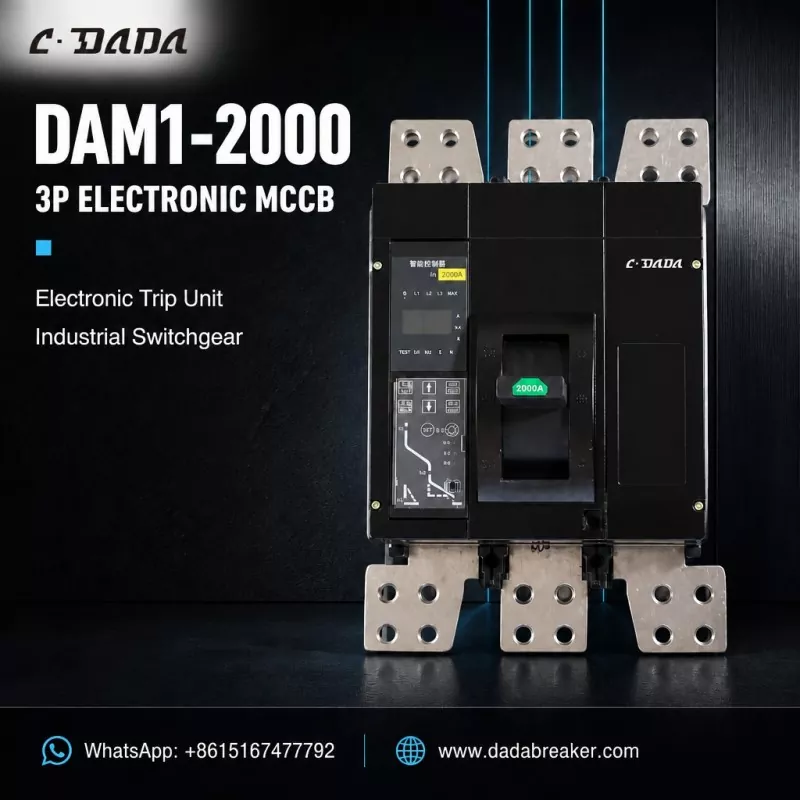
 DAM1-2000 3P Electronic MCCB for Industrial Switchgear | C·DADA Electric
C·DADA Electric presents the DAM1-2000 3P Electronic Molded Case Circuit Breaker for industrial switchgear and electrical distribution applications.
 24 2026-08
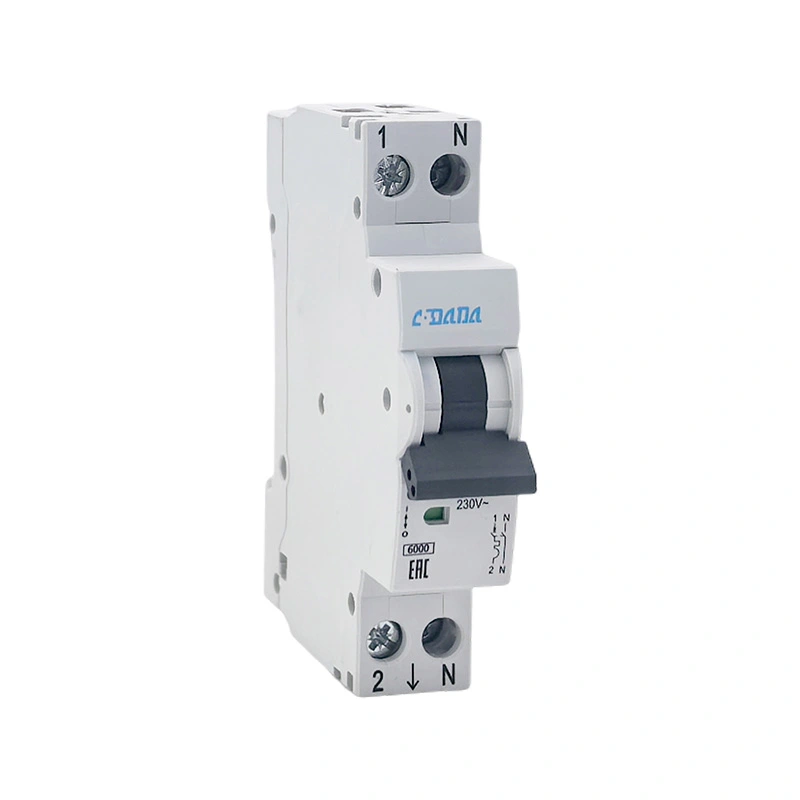
 Why Does Miniature Circuit Breaker DPN 6KA Matter for Modern Electrical Protection?
A Miniature Circuit Breaker DPN 6KA is designed to provide dependable protection against overloads and short circuits while combining compact dimensions with practical installation. The DPN configuration is commonly associated with a 1P+N arrangement, while 6KA refers to a 6 kA rated short-circuit breaking capacity under applicable standards and specified test conditions.
 20 2026-08
 Why Is Miniature Circuit Breaker REAL 6KA Essential for Reliable Electrical Protection?
Electrical safety has become a critical concern in residential, commercial, and industrial power systems. A reliable protection device can prevent equipment damage, reduce downtime, and improve operational safety. The Miniature Circuit Breaker REAL 6KA is designed to provide dependable short-circuit protection and overload protection with a 6KA breaking capacity. This article explains its working principles, advantages, selection factors, installation considerations, and how it helps solve common electrical protection challenges.
 18 2026-08
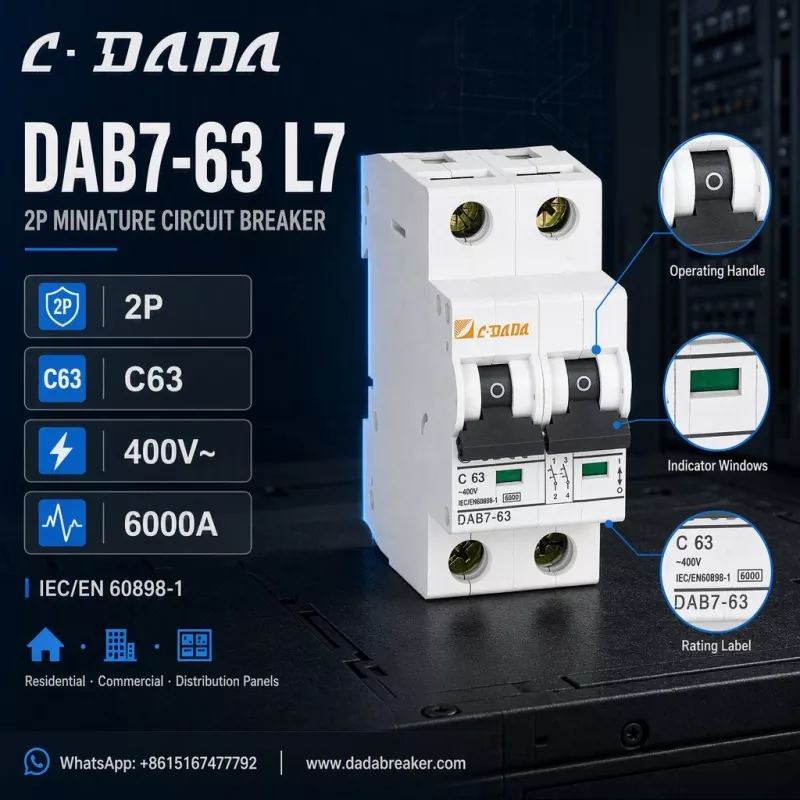
 DAB7-63 L7 2P MCB - Clear, Compact Protection for Distribution Panels
The C·DADA DAB7-63 L7 2P miniature circuit breaker is designed for electrical distribution applications that require coordinated two-pole protection in a compact DIN-rail format.
 10 2026-08
 What Makes a Compact Moulded Case Circuit Breaker Essential for Modern Electrical Protection?
A Compact Moulded Case Circuit Breaker (Compact MCCB) plays a critical role in protecting electrical systems from overloads, short circuits, and unexpected power failures. As industrial facilities, commercial buildings, and renewable energy projects demand safer and more space-efficient electrical solutions, compact circuit protection devices have become increasingly important.
 04 2026-08
 Ensuring Sub-Distribution Integrity: The C·DADA DAM1N-125 MCCB Solution
Reliability in industrial power systems is built on the quality of its protection components. The DAM1N-125 is engineered to provide the dependable overcurrent and short-circuit protection required for modern feeder panels and machinery boards.